Dinner · Part 2 of 3: Instructions
Creamy Garlic Shrimp Skillet for a Fast Dinner Step-by-step instructions
- Prep
- Cook
- Total
- Serves
- 4
Before you start
Before starting, ensure all ingredients are measured and ready, as this recipe moves quickly once the heat is on. Pat the shrimp dry thoroughly, as moisture is the enemy of a good sear. Have your garlic minced and your cream measured so you can focus entirely on the cooking process in the skillet.
Having everything prepped in advance allows you to maintain the necessary heat levels throughout the cooking process, ensuring the shrimp sear properly and the cream reduces at the right pace. This preparation is the key to achieving a professional result in your own home kitchen.
Ingredients at a glance (3)
- 1 lb shrimp, peeled and deveined
- 3 cloves garlic, minced
- 1 cup heavy cream
Instructions
Searing the shrimp
- Sear the shrimpHeat a large skillet over medium-high heat. Add the peeled and deveined shrimp to the pan in a single layer. Sear until pink and opaque, about 2 to 3 minutes per side, ensuring they reach an internal temperature of 145°F (63°C). Remove the shrimp from the skillet and set aside.Look for The shrimp should be pink, opaque, and slightly golden on the outside.Safe temperature 145°F (63°C) internal temperature (shellfish)Tip Do not overcrowd the pan so the shrimp can sear properly instead of steaming.
The shrimp should be golden-brown on the edges and fully opaque. The skillet should have some flavorful browned bits on the bottom, which will form the foundation for the sauce. Ensure the shrimp are cooked through but still tender before removing them from the heat.
This initial sear is the most important step for flavor, so do not rush it. The shrimp should look plump and vibrant, indicating they are perfectly cooked and ready to be incorporated into the final sauce later in the process.
Making the sauce
- Prepare the garlic cream sauceIn the same skillet, add the minced garlic. Sauté for about 30 seconds until fragrant. Pour in the heavy cream and bring to a gentle simmer. Let the sauce bubble and thicken slightly, about 3 to 4 minutes.Look for The sauce will thicken and coat the back of a spoon when ready.Tip Keep the heat at a steady simmer to prevent the cream from scorching.
The garlic should be aromatic and the cream should be simmering steadily. Watch for the sauce to thicken; it should look creamy and smooth, not watery. The color should be a pale, rich white, and the aroma should be intensely garlicky and savory, filling the kitchen. The sauce should have a velvety consistency that coats the spoon evenly. If it seems too thin, continue to simmer for another minute, but be careful not to reduce it so much that it becomes oily or overly thick.
Combining the dish
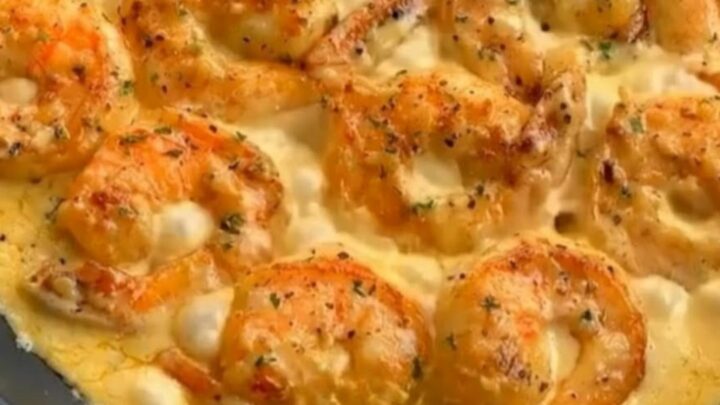
- Combine and serveReturn the seared shrimp to the skillet with the garlic cream sauce. Toss gently to coat every shrimp thoroughly in the sauce. Remove from the heat immediately and serve while hot.Look for The sauce should be glossy and clinging to the shrimp.Tip Serve immediately to ensure the sauce remains creamy and the shrimp stays tender.
The shrimp and sauce should be fully integrated. The sauce should cling to each piece of shrimp, creating a uniform, glossy coating. The final dish should be steaming and ready to serve immediately on a warm plate to ensure the best possible texture and flavor experience. The shrimp should be completely coated in the sauce, and the overall appearance should be inviting and luxurious. Check that the sauce is still warm and creamy before plating, as it will thicken slightly as it cools down.
Common mistakes
A common mistake is overcrowding the skillet, which causes the shrimp to steam rather than sear. Another error is adding the cream before the garlic has had a moment to release its aroma, or letting the sauce boil too vigorously, which can cause the cream to separate or scorch on the bottom.
Always maintain a steady, controlled simmer rather than a rolling boil. Additionally, failing to dry the shrimp thoroughly before cooking will prevent the golden crust from forming, leading to a bland, watery sauce. Take your time to ensure the pan is hot enough before adding the shrimp.
How to tell it’s done
The shrimp are done when they are pink, opaque, and reach an internal temperature of 145°F (63°C). The sauce is done when it has reduced enough to coat the back of a metal spoon, appearing glossy and thick. Do not overcook the shrimp, or they will become rubbery and lose their natural sweetness.
The sauce should be smooth and creamy, not broken or oily. If you are unsure, use a digital thermometer to check the thickest part of the shrimp to ensure they are cooked through safely while remaining succulent and tender for the best eating experience.
- Shellfish: 145°F (63°C) in the thickest part
Up next · Part 3 of 3
2 variations · storage & make-ahead · 3 answers · printable card
Tips, FAQ & printable recipe (Part 3)← Back to the ingredients (Part 1)