Dinner · Part 2 of 3: Instructions
Creamy Garlic Shrimp Skillet in 20 Minutes Step-by-step instructions
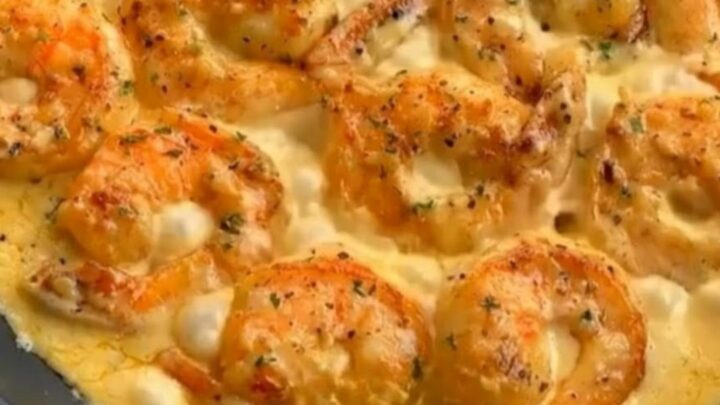
- Prep
- Cook
- Total
- Serves
- 4
Before you start
Before lighting the burner, organize all your ingredients within arm's reach of the stove. Peel, devein, and thoroughly dry the shrimp, then toss them with the seasoning in a medium bowl until evenly coated.
Mince the garlic cloves finely and measure out the heavy cream and shredded cheese. Because shrimp cook incredibly fast and the sauce comes together quickly, having everything prepped and ready prevents the ingredients from overcooking while you search for the next item.
Ingredients at a glance (6)
- 1 1/2 lb raw shrimp, peeled and deveined
- 1 tsp Cajun seasoning
- 2 tbsp unsalted butter
- 4 cloves garlic, minced
- 1 cup heavy cream
- 1/2 cup shredded parmesan cheese
Instructions
Searing the Shrimp
- Season the ShrimpPat the raw shrimp completely dry with paper towels to ensure a proper sear. Place the dried shrimp in a medium bowl, sprinkle with the Cajun seasoning, and toss thoroughly until every shrimp is evenly coated with the spices. Set aside at room temperature for no more than ten minutes before cooking.Look for The shrimp should be uniformly colored by the spices.Tip Drying the shrimp thoroughly is key to achieving a beautiful golden crust.
- Sear the ShrimpMelt the unsalted butter in a large skillet over medium-high heat. Add the seasoned shrimp in a single, even layer. Cook for 2 to 3 minutes per side until they turn pink and opaque, reaching a safe internal temperature of 145°F (63°C). Transfer the cooked shrimp to a clean plate immediately and set aside.Look for The shrimp should be golden-brown on the edges and opaque throughout.Safe temperature 145°F (63°C) internal temperature (shellfish)Tip Do not crowd the skillet; cook in batches if necessary to avoid steaming the seafood.
At the end of this phase, the shrimp should be beautifully seared with a vibrant pink color and a golden-brown crust on both sides. The skillet will filled with a rich, buttery aroma mixed with the savory scent of the spices.
There should be a layer of caramelized browned bits stuck to the bottom of the pan, which will be used to flavor the sauce. Transfer the shrimp to a plate immediately to prevent them from becoming rubbery.
Building the Garlic Cream Base
- Simmer the Cream BaseReduce the heat to medium. Add the minced garlic to the remaining melted butter in the skillet and sauté for about 1 minute until fragrant. Pour in the heavy cream, scraping up any caramelized browned bits from the bottom of the pan, and bring the mixture to a gentle simmer for 3 minutes.Look for The cream should bubble gently and thicken slightly.Tip Keep the heat moderate to prevent the cream from boiling over or scorching.
At this stage, the minced garlic should be soft, fragrant, and pale golden, without any signs of burning. The heavy cream, after simmering gently, will have reduced slightly and taken on a rich, off-white color infused with the garlic and pan drippings. The mixture should bubble gently around the edges of the skillet, indicating it is hot enough to melt the cheese smoothly in the next step.
Melting and Finishing
- Melt Cheese and CombineTurn the heat down to low. Stir in the shredded parmesan cheese, whisking constantly until the cheese is completely melted and the sauce is velvety smooth. Return the cooked shrimp and any accumulated juices to the skillet, tossing them to coat thoroughly in the warm garlic cream sauce before serving.Look for The sauce should be thick, cohesive, and cling easily to the shrimp.Tip Make sure the heat is low when adding the cheese to prevent the sauce from separating.
The skillet should now contain a thick, cohesive, and bubbly cream sauce with a smooth, glossy appearance. The shredded cheese must be completely melted and integrated into the cream, leaving no visible clumps or oily separation. When you stir the skillet, the sauce should easily coat the back of a spoon. The shrimp, returned to the pan, should be piping hot and thoroughly enveloped in the luxurious garlic cream.
Common mistakes
One of the most common errors in this recipe is overcooking the shrimp during the initial sear. Shrimp cook in just a few minutes; leaving them in the hot skillet too long turns them tough, dry, and rubbery.
Another frequent mistake is using too high a heat when adding the dairy and cheese. High heat can cause the heavy cream to boil rapidly and separate, or cause the cheese to clump into stringy masses rather than melting smoothly. Keep the heat medium-low once the cream is added.
How to tell it’s done
To ensure the shrimp are perfectly cooked and safe to consume, check that they have curled into a loose 'C' shape and turned opaque throughout.
The internal temperature must reach 145°F (63°C) when measured with an instant-read digital food thermometer inserted into the thickest part of the shrimp. Avoid overcooking until they curl tightly into an 'O' shape, which indicates they have lost their moisture and will be tough to chew.
- Shellfish: 145°F (63°C) in the thickest part
Up next · Part 3 of 3
2 variations · storage & make-ahead · 3 answers · printable card
Tips, FAQ & printable recipe (Part 3)← Back to the ingredients (Part 1)