Dinner · Part 2 of 3: Instructions
Creamy Garlic Parmesan Fettuccine Alfredo Step-by-step instructions
- Prep
- Cook
- Total
- Serves
- 4
Before you start
Before starting, set out all ingredients and measure them. Grate the parmesan cheese and chop the parsley. Fill a large pot with water and bring it to a boil. Have a measuring cup ready to reserve the pasta water.
Ensure the skillet is large enough to hold the pasta and sauce comfortably. If using fresh pasta, adjust the cooking time accordingly and reduce the amount of pasta water needed.
Ingredients at a glance (10)
- 8 oz dry fettuccine
- Kosher salt, for the pasta water, to taste
- 1 cup starchy pasta water, reserved
- 1/2 cup unsalted butter
- 1 cup heavy cream
- 1 tsp garlic powder
- 1 tsp Italian seasoning
- 1 cup freshly grated parmesan cheese
- Fresh parsley, chopped, for garnish, to taste
- Freshly ground black pepper, to taste
Instructions
Pasta Perfection
- Cook the fettuccineBring a large pot of water to a rolling boil. Season generously with kosher salt—about 2 tablespoons for 4 quarts. Add the fettuccine and cook according to package directions until al dente, typically 8 to 10 minutes. Reserve 1 cup of the starchy pasta water before draining. Drain the pasta and set aside.Look for The pasta should be tender but still firm to the bite, and the reserved water should look cloudy and starchy.Tip Do not rinse the pasta after draining; the starch helps the sauce cling to the noodles.
The fettuccine is cooked al dente and the reserved pasta water is ready. The pasta should be tender but still firm, and the water should be starchy and cloudy. This phase sets the stage for a perfect sauce.
Sauce Silky Smooth
- Make the garlic parmesan sauceIn a large skillet over medium heat, melt the butter. Once fully melted, pour in the heavy cream and whisk to combine. Add the garlic powder and Italian seasoning, stirring until smooth. Bring the mixture to a gentle simmer, then reduce the heat to low. Gradually sprinkle in the grated parmesan, whisking constantly until the cheese is fully melted and the sauce is smooth and slightly thickened.Look for The sauce should coat the back of a spoon and smell richly of butter and garlic.Tip Keep the heat low after adding the parmesan to prevent the sauce from separating.
The sauce is smooth, glossy, and coats the back of a spoon. It should smell richly of butter and garlic, with the parmesan fully melted and no graininess. The consistency should be slightly loose, as it will thicken when combined with the pasta.
The Final Toss
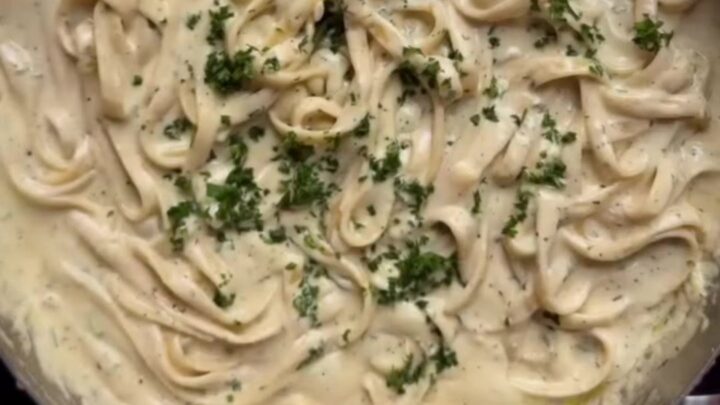
- Toss and serveAdd the drained fettuccine directly to the skillet with the sauce. Use tongs to toss the pasta thoroughly, allowing every strand to be coated. If the sauce is too thick, add the reserved pasta water a splash at a time until it reaches a silky, glossy consistency. Season with black pepper and sprinkle with fresh parsley before serving.Look for The pasta should be glossy and the sauce should cling to the noodles without pooling.Tip Serve immediately while the sauce is warm and creamy; it thickens as it cools.
The pasta is evenly coated with a glossy, creamy sauce. The sauce clings to the noodles without pooling at the bottom of the skillet. The dish is seasoned with black pepper and topped with fresh parsley, ready to serve.
Common mistakes
One common mistake is overheating the sauce after adding the parmesan, which can cause it to separate and become greasy. Always keep the heat low and stir constantly.
Another pitfall is using pre-shredded cheese that doesn't melt smoothly, so grate your own.
Skipping the pasta water can result in a sauce that is too thick or clings poorly. Finally, don't overcook the pasta—al dente is essential for the best texture.
How to tell it’s done
The fettuccine is done when it is al dente—tender but with a slight bite. The sauce is ready when it coats the back of a spoon and has a silky, glossy appearance.
To test, drag a spoon through the sauce: it should leave a trail that slowly closes. The final dish should have a creamy, clinging sauce that is not too thick or too runny. Since there are no raw proteins, no internal temperature check is needed.
Up next · Part 3 of 3
4 variations · storage & make-ahead · 5 answers · printable card
Tips, FAQ & printable recipe (Part 3)← Back to the ingredients (Part 1)