Dinner · Part 2 of 3: Instructions
Creamy Garlic Lemon Chicken Skillet for a Quick Dinner Step-by-step instructions
- Prep
- Cook
- Total
- Serves
- 4
Before you start
Before you begin cooking, ensure all your ingredients are prepped and within reach. Mince the garlic finely and measure out the heavy cream and lemon juice.
Remove the chicken from the refrigerator about 15 minutes before cooking so it is not ice-cold, which helps it sear evenly. Have your meat thermometer ready to check for doneness, and ensure you have a clean plate for the chicken to rest on once it is finished cooking.
Ingredients at a glance (4)
- 4 pieces boneless, skinless chicken breasts
- 4 cloves garlic, minced
- 1 tbsp fresh lemon juice
- 1 cup heavy cream
Instructions
Phase 1: Searing the Chicken
- Sear the ChickenHeat a large skillet over medium-high heat with a splash of oil. Place the chicken breasts into the pan and sear until golden brown on both sides. Ensure the chicken cooks through to an internal temperature of 165°F (74°C) as measured by a meat thermometer. Remove the chicken from the pan and let it rest on a plate for at least 5 minutes.Look for Chicken should be golden brown and firm to the touch.Safe temperature 165°F (74°C) internal temperature (poultry)Tip Do not crowd the pan; cook in batches if necessary to ensure a proper sear.
At the end of this phase, the chicken breasts should have a deep golden-brown crust on both sides. When you press the center of the chicken, it should feel firm and spring back slightly.
Ensure the internal temperature has reached the required safety level before moving to the next phase, as this is the foundation for the entire dish and ensures the meat remains juicy during the final saucing.
Phase 2: Developing the Sauce
- Prepare the Garlic Lemon SauceIn the same skillet, lower the heat to medium. Add the minced garlic and sauté until fragrant, about 30 seconds. Pour in the heavy cream and lemon juice. Simmer the mixture, stirring occasionally, until the sauce thickens enough to coat the back of a spoon comfortably.Look for The sauce will bubble and thicken into a glossy, smooth consistency.Tip Scrape the browned bits from the bottom of the pan to incorporate them into the sauce.
The sauce is ready when the garlic is aromatic and the cream has reduced to a thick, velvety consistency. It should smell fragrant and slightly tangy from the lemon.
The pan should be relatively clean of loose bits, as they should be fully incorporated into the liquid. Check the consistency by lifting your spoon; the sauce should cling to it smoothly without dripping off too quickly or appearing thin.
Phase 3: Final Coating
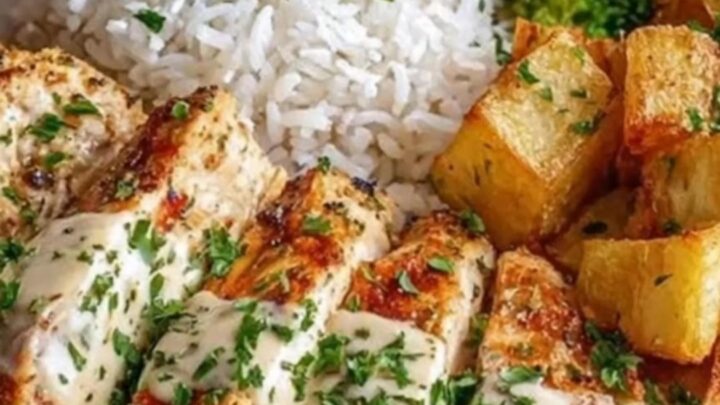
- Combine and ServePlace the cooked chicken breasts back into the simmering sauce. Spoon the glossy cream sauce over the chicken to coat every side thoroughly. Serve immediately while hot, ensuring the sauce remains creamy and the chicken stays juicy.Look for The sauce should cling to the chicken and appear vibrant and smooth.Tip Serve with sides that can soak up the extra sauce, such as rice or roasted potatoes.
The dish is complete when the chicken has been warmed through in the sauce and every piece is fully coated in a glossy, thick layer. The steam should be rising from the plate, and the aroma should be balanced between the rich cream and sharp lemon. Verify that the sauce is clinging to the chicken and not pooling excessively at the bottom of the pan before serving it immediately to your guests.
Common mistakes
Avoid overcrowding the pan, as this causes the chicken to steam rather than sear, which prevents the development of the necessary browned bits for the sauce.
Another common mistake is using too high a heat when adding the cream, which can cause the sauce to break or the garlic to burn. Always maintain a gentle simmer during the final stage to keep the sauce smooth and emulsified throughout the entire cooking process.
How to tell it’s done
The chicken is done when it reaches an internal temperature of 165°F (74°C) in the thickest part. The meat should be opaque throughout and the juices should run clear. The sauce is ready when it is thick enough to coat the back of a spoon and appears glossy. If you drag a finger through the sauce on the back of the spoon, it should leave a distinct trail that does not fill in immediately.
- Poultry: 165°F (74°C) in the thickest part
Up next · Part 3 of 3
2 variations · storage & make-ahead · 3 answers · printable card
Tips, FAQ & printable recipe (Part 3)← Back to the ingredients (Part 1)