Dinner · Part 2 of 3: Instructions
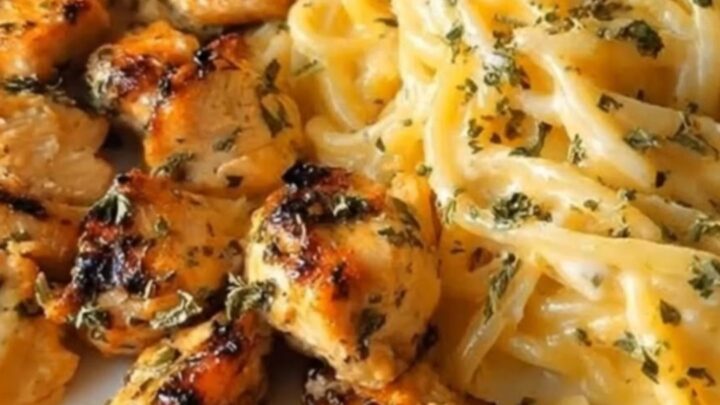
Creamy Garlic Butter Chicken Spaghetti Step-by-step instructions
- Prep
- Cook
- Total
- Serves
- 4
Before you start
Before beginning, ensure all ingredients are measured and ready, as the cooking process moves quickly once the heat is applied. Cut the chicken into uniform bite-sized pieces to ensure they cook evenly and reach the safe temperature of 165°F (74°C) at the same time.
Grate the cheddar and parmesan cheeses and set them aside. Bring a large pot of water to a boil, adding a generous pinch of salt, so it is ready for the pasta immediately. Have your tongs and colander nearby for efficient transfers.
Ingredients at a glance (6)
- 1 lb chicken breast, cut into bite-sized pieces
- 1 lb spaghetti
- 4 tbsp butter
- 3 cloves garlic, minced
- 1 cup cheddar cheese, shredded
- 1/2 cup parmesan cheese, grated
Instructions
Searing the chicken
- Cook the pasta and chickenBring a large pot of salted water to a boil and cook the spaghetti according to the package directions until al dente. While the water heats, season the chicken pieces with salt and pepper. Heat a large skillet over medium-high heat and sear the chicken until golden brown and cooked through to 165°F (74°C). Remove the chicken from the skillet and set aside.Look for Chicken should be golden and no longer pink inside.Safe temperature 165°F (74°C) internal temperature (poultry)Tip Ensure the skillet is hot before adding the chicken to get a good sear.
The chicken should be thoroughly browned on all sides and cooked through to an internal temperature of 165°F (74°C). The skillet should have some browned bits stuck to the bottom, which will add significant flavor to the sauce during the next phase. Ensure the pieces are not crowded in the pan so they sear properly instead of steaming in their own juices.
Creating the sauce
- Prepare the cheesy garlic sauceIn the same skillet, melt the butter over medium heat. Add the minced garlic and sauté for about one minute until fragrant, being careful not to burn it. Reduce the heat to low and gradually stir in the shredded cheddar and grated parmesan cheeses until the sauce becomes smooth, glossy, and fully melted.Look for The cheese should melt into a thick, glossy sauce.Tip Keep the heat low so the cheese melts without breaking or becoming oily.
The butter should be fully melted and the garlic should be fragrant without any signs of browning. When the cheeses are added, they should slowly melt into the butter, transforming into a thick, glossy, and uniform sauce. If the mixture seems excessively thick or clumpy, do not worry yet, as the moisture from the cooked pasta will help create the final creamy consistency.
Final assembly
- Combine and serveAdd the cooked, drained spaghetti and the seared chicken pieces into the skillet with the cheese sauce. Toss everything together using tongs until the pasta and chicken are thoroughly coated in the creamy garlic butter mixture. If the sauce is too thick, add a splash of reserved pasta water to reach the desired consistency. Serve immediately while hot.Look for The pasta should be evenly coated with a creamy, shiny sauce.Tip Add a little pasta water if the sauce appears too thick or clumpy.
The pasta and chicken should be completely coated in the cheese sauce, appearing glossy and uniform. The sauce should coat the back of a spoon and cling to the spaghetti strands.
Check that the pasta is hot throughout and that all elements are well combined before serving. The dish should smell rich, buttery, and deeply savory, with the sharp notes of parmesan and garlic coming through clearly.
Common mistakes
A common mistake is burning the garlic; keep the heat low when sautéing it in the butter to ensure it releases its aroma without turning bitter or brown. Another frequent error is boiling the sauce too hard once the cheese is added, which can cause the milk solids to separate and the sauce to become oily.
Always maintain a low temperature during the melting phase and stir constantly to ensure the cheese melts evenly and maintains a silky, stable emulsion throughout the dish.
How to tell it’s done
The dish is done when the chicken has reached an internal temperature of 165°F (74°C) and the pasta is cooked to an al dente texture, meaning it is tender but still has a slight bite. The sauce should be smooth, glossy, and clinging to the pasta.
If the sauce looks grainy or separates, it may have been overheated; adding a tablespoon of warm pasta water and stirring vigorously off the heat can often help bring it back to a smooth, creamy consistency.
- Poultry: 165°F (74°C) in the thickest part
Up next · Part 3 of 3
2 variations · storage & make-ahead · 3 answers · printable card
Tips, FAQ & printable recipe (Part 3)← Back to the ingredients (Part 1)