Dinner · Part 2 of 3: Instructions
Creamy Garlic Butter Cajun Chicken Linguine Step-by-step instructions
- Prep
- Cook
- Total
- Serves
- 4
Before you start
Before beginning the cooking process, ensure all ingredients are measured and ready to use next to the stove. Pat the chicken breasts dry with paper towels to ensure the Cajun seasoning adheres properly and creates a beautiful crust during searing. Bring a large pot of salted water to a rolling boil for the linguine.
Grate the mixed cheeses from blocks rather than using pre-shredded varieties, as fresh cheese melts much more smoothly into the heavy cream sauce. Chop the fresh parsley and set it aside for the final garnish. Having everything prepared beforehand ensures a seamless, stress-free cooking experience that keeps the kitchen organized.
Ingredients at a glance (7)
- 12 oz linguine
- 1 lb chicken breasts
- 2 tbsp Cajun seasoning
- 4 tbsp butter, divided
- 1 1/2 cups heavy cream
- 1 1/2 cups mixed shredded cheeses
- 2 tbsp fresh parsley, chopped for garnish
Instructions
Boiling the Pasta and Searing the Chicken
- Boil the LinguineBring a large pot of salted water to a rolling boil. Add the linguine and cook according to the package instructions until al dente. Reserve one cup of the starchy pasta water, then drain the pasta and set it aside.Look for The pasta should be tender but still firm to the bite.Tip Salting the water generously is crucial for seasoning the pasta from within.
- Season and Sear the ChickenCoat the chicken breasts evenly with the Cajun seasoning. Melt half of the butter in a large skillet over medium-high heat. Add the chicken and cook for 6 to 8 minutes per side, until the exterior is beautifully charred and the internal temperature reaches 165°F (74°C). Remove the chicken from the pan and let it rest on a cutting board before slicing.Look for A deep, dark spiced crust should form on both sides of the chicken.Safe temperature 165°F (74°C) internal temperature (poultry)Tip Avoid moving the chicken too much during searing to build a rich crust.
At the end of this phase, the linguine should be cooked to a perfect al dente texture, and the chicken breasts should have a deeply browned, aromatic Cajun crust. When sliced, the chicken must be completely cooked through and opaque, yielding a savory aroma of toasted spices and rich butter. The chicken must reach a safe internal temperature of 165°F (74°C) before being removed from the heat.
Preparing the Creamy Cajun Cheese Sauce
- Build the Creamy Cheese SauceIn the same skillet over medium heat, melt the remaining butter, scraping up any browned bits from the bottom. Pour in the heavy cream and bring to a gentle simmer. Gradually whisk in the mixed shredded cheeses until completely melted and the sauce is silkily smooth and glossy.Look for The sauce should thicken enough to coat the back of a spoon.Tip Whisk constantly while adding cheese to prevent clumping.
The sauce should be thick, glossy, and completely smooth, with the mixed cheeses fully melted and integrated into the warm heavy cream and butter. It should coat the back of a spoon cleanly without any separation, graininess, or oil pools on the surface. The sauce should bubble gently, releasing a rich aroma of cream, cheese, and toasted Cajun spices from the pan.
Combining the Pasta and Plating
- Toss and GarnishAdd the drained linguine to the skillet with the warm cheese sauce, tossing gently to coat every strand evenly. Slice the rested Cajun chicken breasts. Plate the creamy pasta alongside the sliced chicken, and garnish with fresh parsley before serving hot.Look for The pasta should be fully coated in a glossy, steaming sauce.Tip If the sauce is too thick, splash in a little reserved pasta water.
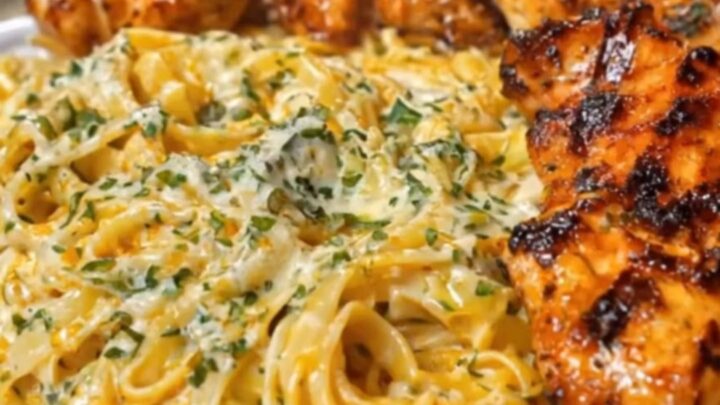
The finished dish presents steaming, glossy linguine thoroughly coated in the rich Cajun cheese sauce. The sliced chicken breasts sit beautifully alongside or on top of the pasta, garnished with bright green fresh parsley, releasing a comforting steam of garlic, butter, and warm spices. The pasta should cling to the sauce perfectly, ensuring a rich, cohesive bite every time.
Common mistakes
One common mistake is cooking the chicken over heat that is too low, which causes the meat to release its juices and steam rather than sear, resulting in a rubbery texture and a pale exterior.
Another frequent error is boiling the heavy cream sauce too vigorously after adding the cheese; excessive heat will cause the dairy proteins to clump and the fats to separate, turning a smooth sauce greasy and grainy.
Finally, failing to salt the pasta water sufficiently will leave the linguine tasting bland, regardless of how flavorful the Cajun cheese sauce is. Always salt the water generously to season the pasta from within.
How to tell it’s done
To determine if the chicken breasts are perfectly cooked and safe to consume, insert an instant-read meat thermometer into the thickest part of the breast. The internal temperature must reach 165°F (74°C) to ensure it is fully cooked. The meat should feel firm to the touch and the juices should run completely clear when pierced.
For the pasta, test a strand a minute before the package directions suggest; it should be firm to the bite with a tiny speck of white in the center, indicating perfect al dente doneness. The pasta will finish cooking slightly when tossed with the hot sauce.
- Poultry: 165°F (74°C) in the thickest part
Up next · Part 3 of 3
2 variations · storage & make-ahead · 3 answers · printable card
Tips, FAQ & printable recipe (Part 3)← Back to the ingredients (Part 1)