Dinner · Part 1 of 3: Ingredients
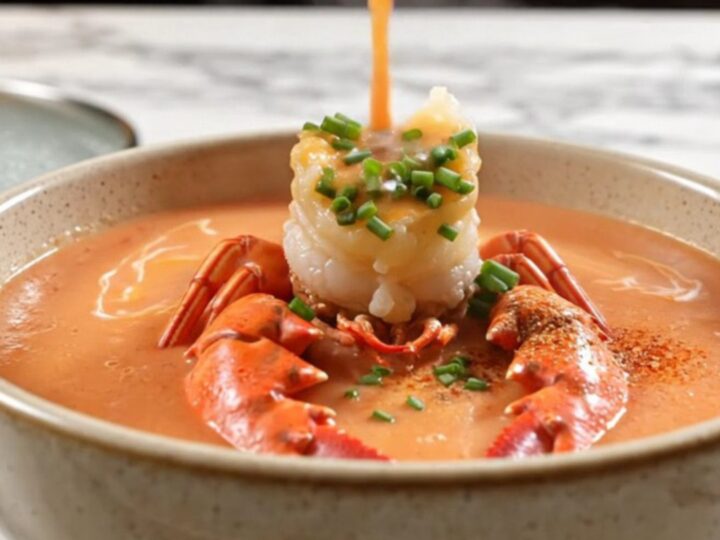
Creamy Crockpot Lobster and Corn Bisque
- Prep
- Cook
- Total
- Serves
- 6
Transform humble pantry staples and fresh seafood into a sophisticated, restaurant-worthy meal using nothing more than your trusty slow cooker. This lobster and corn bisque offers a deep, savory complexity and a velvety mouthfeel that typically requires hours of active stove-top attention.
By leveraging the slow, gentle heat of the crockpot, you allow the aromatics and seafood stock to marry perfectly, creating a luxurious base that is simply unmatched for a cozy, elegant evening at home.
Lobster bisque is often reserved for special occasions or fine dining establishments, but this simplified method makes it accessible for any weeknight. By combining the sweetness of corn with the richness of lobster and a velvety sherry-infused cream, you get a bowl of pure comfort.
This recipe focuses on layering flavors early, allowing the slow cooker to do the heavy lifting, while the final addition of cream and fresh lobster ensures the texture remains elegant and the seafood stays tender. It is the perfect balance of convenience and high-end flavor.
Ingredients
Soup Base
- 3 cups sweet corn kernels
- 2 cups diced red potatoes
- 1 diced shallot
- 2 tbsp tomato paste
- 1 tbsp Old Bay seasoning
- 1/4 cup dry white wine
- 3 cups seafood stock
Finishing
- 1 lb butter-poached lobster meat
- 1 1/2 cups heavy whipping cream
Garnish
- Snipped chives, for serving
Why this recipe works
The slow cooker method is ideal for this bisque because it allows the tough aromatics like shallots and potatoes to soften completely, releasing their natural starches into the stock. This creates a natural thickening effect that gives the soup its characteristic body without needing to create a separate roux or add heavy flour-based thickeners. The low, steady temperature prevents the delicate dairy components from curdling early on, ensuring a silky finish.
Blending only half of the soup is a professional culinary technique that provides the best of both worlds. The blended portion acts as a creamy, emulsified sauce that carries the flavor of the Old Bay and lobster, while the unblended portion keeps the bite of the corn and the structure of the potatoes. This creates a tactile experience that feels substantial and layered, elevating the dish from a simple pureed soup to a rich, textured bisque.
Notes and substitutions
When choosing your seafood stock, look for a high-quality version with no added preservatives to ensure the cleanest flavor profile. If you cannot find fresh lobster, high-quality frozen lobster meat that has been properly thawed and drained is an excellent alternative.
Always ensure your shallots are finely diced so they melt into the soup base during the four-hour cooking cycle, providing a subtle sweetness that balances the saltiness of the Old Bay seasoning.
The choice of equipment is straightforward, but an immersion blender is essential for the specific texture required. If you do not have an immersion blender, you can carefully transfer half of the soup to a standard blender, but be sure to vent the lid to allow steam to escape safely.
Always use a ceramic or porcelain crockpot insert if possible, as it retains heat more evenly than metal alternatives, providing the consistent simmer necessary for a perfect bisque.
- Dry white wine: Use additional seafood stock or a splash of fresh lemon juice for acidity.
- Heavy whipping cream: Half-and-half can be substituted for a slightly lighter texture, though it will be less rich.
Equipment
- Slow cooker
- Immersion blender
- Ladle
- Porcelain serving bowls
- Cutting board
- Chef knife
Up next · Part 2 of 3
3 steps · 4 h of cooking · what to look for at each stage
Step-by-step instructions (Part 2)