Dinner · Part 2 of 3: Instructions
Creamy Crockpot Butternut Squash Alfredo Lasagna Step-by-step instructions
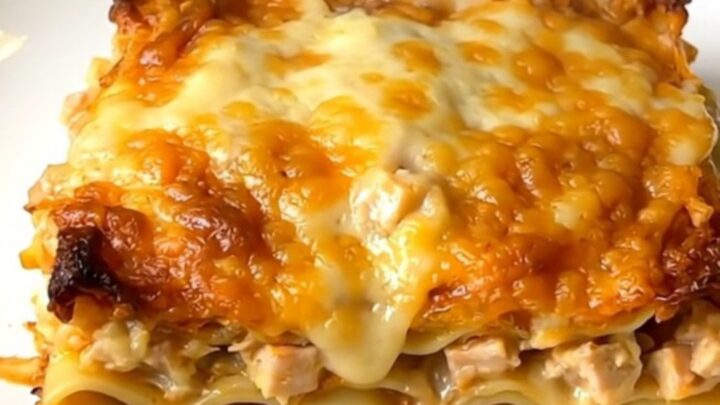
- Prep
- Cook
- Total
- Serves
- 6
Before you start
Before starting, ensure your slow cooker is clean and positioned on a level, heat-resistant surface. Peel and dice the butternut squash into uniform cubes, removing all seeds and fibrous bits. Have all your ingredients measured and ready to go.
If your alfredo sauce is stored in the refrigerator, it can be used directly, though bringing it to room temperature for fifteen minutes can help it incorporate more easily. Ensure your kitchen workspace is clear to allow for smooth assembly.
Ingredients at a glance (4)
- 8 oz lasagna noodles, broken into pieces
- 2 cups butternut squash, peeled and diced
- 1/8 tsp ground nutmeg
- 15 oz alfredo sauce, store-bought or made ahead
Instructions
Layering the ingredients
- Layering the basePlace the broken lasagna noodles evenly into the bottom of the slow cooker insert to create the first layer of the dish.Look for ensure the noodles cover the bottom of the cookerTip breaking the noodles into smaller pieces helps them fit better in the oval shape of the slow cooker.
At the end of this phase, the slow cooker should be filled with layers of broken noodles, diced squash, and a generous coating of alfredo sauce. Everything should be neatly arranged without being packed too tightly, ensuring the liquid can reach all parts of the assembly. Check that the nutmeg has been distributed evenly across the surface to provide a balanced flavor profile before you secure the lid and begin the cooking process.
Slow cooking process
- Adding squash and seasoningScatter the diced butternut squash over the noodles, then sprinkle the ground nutmeg evenly across the squash to provide a warm, aromatic flavor.Look for ensure the squash is distributed in an even layerTip peeling the squash into uniform half-inch cubes ensures they cook through at the same rate as the pasta.
- Pouring the saucePour the alfredo sauce over the entire mixture, ensuring that the noodles and squash are well-coated to allow for even cooking.Look for the sauce should cover the ingredients completelyTip use a spatula to scrape the measuring cup to ensure all the creamy sauce makes it into the cooker.
During the cooking phase, the slow cooker will work to transform the dry ingredients into a cohesive meal. You should notice a pleasant, savory aroma filling the kitchen as the squash softens and the pasta absorbs the creamy sauce.
The lasagna is ready when the sauce has reduced slightly and the noodles are perfectly cooked through. Ensure the lid remains closed throughout this period to maintain the internal environment necessary for achieving the desired texture.
Resting and serving
- Slow cooking the lasagnaCover the slow cooker with its lid and cook on low for 4 hours until the noodles are tender and the squash is soft.Look for the lasagna is ready when the sauce is bubbly and the pasta is al denteTip avoid opening the lid during the cooking process to maintain a consistent temperature and moisture level.
Once the cooking time has elapsed, allow the lasagna to rest for ten minutes with the lid off. This brief rest period is crucial as it allows the sauce to thicken slightly and settle, making it much easier to portion the lasagna onto plates.
The final dish should be steaming, glossy, and beautifully integrated, with the squash pieces holding their shape and providing a delightful contrast to the creamy pasta and rich, seasoned alfredo sauce.
Common mistakes
A common mistake is overcrowding the slow cooker with too many layers of noodles, which can prevent the sauce from circulating properly and lead to uneven cooking. Always ensure that the sauce is distributed well enough to submerge the noodles.
Another error is using squash pieces that are too large, which prevents them from softening in the given timeframe. Finally, avoid lifting the lid frequently, as this releases essential heat and steam, significantly increasing the required cooking time and potentially drying out the pasta.
How to tell it’s done
The lasagna is finished when the noodles are tender yet firm to the bite, and the butternut squash is easily pierced with a fork. The sauce should be thick, glossy, and bubbling around the edges of the cooker. Because this recipe contains no raw proteins, the internal temperature is not the primary indicator of doneness; instead, rely on the texture of the pasta and the consistency of the sauce to confirm the dish is ready to be served.
Up next · Part 3 of 3
2 variations · storage & make-ahead · 3 answers · printable card
Tips, FAQ & printable recipe (Part 3)← Back to the ingredients (Part 1)