Dinner · Part 2 of 3: Instructions
Creamy Crockpot Apple Cider Cheddar Macaroni Step-by-step instructions
- Prep
- Cook
- Total
- Serves
- 4
Before you start
Before starting, ensure that all ingredients are measured and ready. Peel and dice the apples into uniform half-inch cubes to ensure they cook at the same rate as the pasta. Shred the cheddar cheese using a box grater and set it aside in the refrigerator until it is time to add it to the pot.
Clean the slow cooker base thoroughly and ensure the power cord is unobstructed. Having these components prepped will make the assembly process seamless and efficient, allowing for a quick transition from preparation to cooking.
Ingredients at a glance (5)
- 1 lb dry macaroni
- 2 cups diced apples
- 1 tsp ground mustard
- 2 cups apple cider
- 2 cups sharp cheddar cheese, shredded
Instructions
Initial Assembly
- Combine ingredientsAdd the dry macaroni, diced apples, ground mustard, and apple cider into the base of the slow cooker. Ensure the ingredients are evenly distributed to allow for uniform cooking throughout the process.Look for Ingredients should be well-arranged in the slow cooker base without overcrowding.Tip Using a firm apple variety like Granny Smith helps maintain texture during the long cooking time.
At this stage, the ingredients should be layered neatly in the slow cooker. The dry macaroni should be mostly submerged in the apple cider, with the diced apples scattered evenly across the top.
The ground mustard should be distributed throughout the mixture to ensure the flavor is evenly dispersed once the cooking begins. Check that the lid fits securely to trap moisture and heat, ensuring the pasta cooks correctly in the cider base without drying out before the cheese is added.
Slow Cooking
- Slow cook the pastaCover the slow cooker and set it to cook on low heat for approximately three hours. Monitor the liquid levels occasionally to ensure the pasta remains hydrated and cooks evenly without sticking to the bottom of the vessel.Look for The macaroni should be tender and the liquid mostly absorbed.Tip Avoid lifting the lid too often to prevent heat loss, which can extend the total cooking time significantly.
During the main cooking phase, the kitchen should begin to fill with the aroma of simmering cider and warm apples. The pasta will gradually absorb the cider, becoming tender and plump. It is important to periodically check that there is enough liquid to keep the pasta moving. If the mixture appears too dry, a small splash of water or additional cider can be added to maintain the necessary hydration levels for proper starch release and sauce development.
Final Emulsification
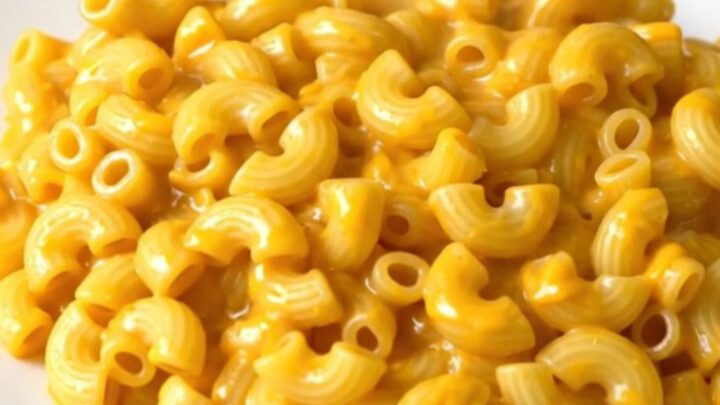
- Finish with cheeseStir in the shredded cheddar cheese. Continue to cook for another 10 to 15 minutes until the cheese is fully melted and the sauce is creamy and smooth throughout.Look for The cheese sauce should appear glossy, thick, and fully emulsified with the pasta.Tip Freshly grated cheese melts much more smoothly than pre-shredded varieties due to the lack of anti-caking agents.
Once the cheese is stirred in, the final phase focuses on achieving the desired creaminess. The sauce should transition from a loose liquid to a thick, glossy coating that clings to the pasta. The cheese should be completely melted, with no visible streaks or clumps remaining. The mixture should smell rich, savory, and slightly sweet. If the sauce remains too thin, allow it to continue cooking uncovered for a few extra minutes to reduce and thicken further.
Common mistakes
A common mistake is using pre-shredded cheese, which often contains starches that prevent the sauce from becoming perfectly smooth. Another error is overcooking the pasta; since slow cookers can maintain high heat, it is important to monitor the texture toward the end of the cycle to avoid mushy macaroni.
Additionally, neglecting to stir the mixture during the final phase can lead to uneven melting and the potential for the cheese to separate or clump, resulting in a less than ideal texture for the final dish.
How to tell it’s done
The dish is considered done when the macaroni reaches an al dente texture and the cheese sauce has thickened into a smooth, creamy consistency that coats the pasta evenly. The apples should be tender but not disintegrated.
Because this recipe does not contain raw proteins, the internal temperature is not the primary indicator of safety; however, the dish should be steaming hot throughout, reaching at least 165°F (74°C) to ensure the cheese has fully melted and the sauce is properly emulsified and stable.
Up next · Part 3 of 3
2 variations · storage & make-ahead · 3 answers · printable card
Tips, FAQ & printable recipe (Part 3)← Back to the ingredients (Part 1)