Dinner · Part 2 of 3: Instructions
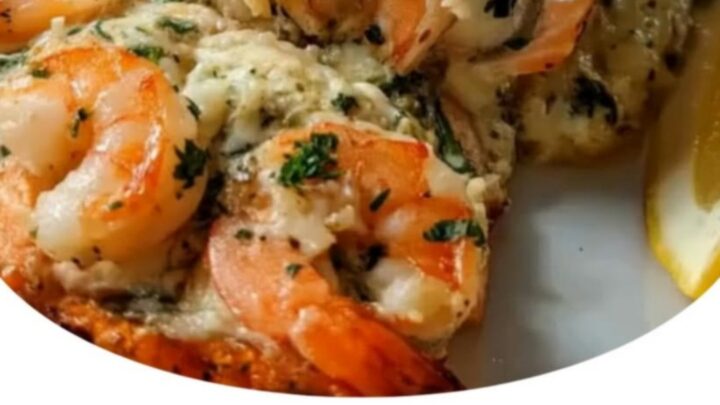
Creamy Crab and Shrimp Stuffed Salmon for Elegant Dinners Step-by-step instructions
- Prep
- Cook
- Total
- Serves
- 4
Before you start
Before beginning, ensure all seafood is cleaned, shelled, and deveined. Soften the cream cheese at room temperature so it can easily fold into the seafood.
Gather all necessary equipment, including a sharp knife for stuffing the fillets and a reliable meat thermometer to ensure the salmon reaches a safe internal temperature of 145°F (63°C).
Ingredients at a glance (9)
- 4 fillets salmon fillets, about 6 oz each
- 1/2 lb shrimp, peeled and deveined
- 1/2 lb lump crab meat
- 3 tbsp unsalted butter
- 2 cloves garlic, minced
- 4 oz cream cheese, softened
- 1 tbsp fresh herbs, chopped
- Fresh parsley for serving
- Lemon wedges for serving
Instructions
Preparing the filling
- Prepare the seafood fillingIn a skillet, melt one tablespoon of butter and sauté the chopped shrimp with minced garlic until pink and opaque. In a mixing bowl, combine the cooked shrimp with the crab meat, softened cream cheese, and fresh herbs, mixing until well incorporated.Look for The shrimp should be fully cooked and opaque.Safe temperature 145°F (63°C) internal temperature (shellfish)Tip Ensure the cream cheese is at room temperature for a smoother blend.
The filling should look like a rich, thick, and well-blended mixture. The shrimp should be cooked to a light pink color, and the herbs should be evenly distributed throughout the cream cheese. Ensure the mixture is cool enough to handle before stuffing the salmon to prevent premature melting of the cheese during the assembly phase.
Searing the fillets
- Stuff and sear the salmonUsing a sharp knife, carefully slice a deep pocket into the side of each salmon fillet. Generously stuff each pocket with the prepared crab and shrimp mixture. Heat the remaining butter in a skillet over medium-high heat and sear the salmon fillets until golden brown on both sides.Look for The salmon should develop a crispy, golden-brown crust.Safe temperature 145°F (63°C) internal temperature (fish)Tip Be gentle when turning the fillets to keep the filling inside.
The salmon fillets should have a distinct, golden-brown crust on the outside while remaining tender inside. The searing process is crucial for flavor development, so ensure the pan is sufficiently hot before adding the fish.
The filling should remain largely contained within the pockets during this stage, creating a neat and visually appealing presentation.
Roasting to finish
- Roast and serveTransfer the stuffed salmon to a baking dish and roast in a preheated oven until the fish is opaque and flakes easily with a fork, reaching an internal temperature of 145°F (63°C). Garnish with chopped fresh parsley and serve with lemon wedges.Look for The fish flakes easily and the filling is heated through.Safe temperature 145°F (63°C) internal temperature (fish)Tip Rest the salmon for five minutes before serving to ensure juiciness.
The final product should be steaming hot, with the salmon fillet cooked through and the filling perfectly set. The aroma should be savory and inviting, with the herbs adding a fresh finish. Check that the salmon flakes easily and verify the internal temperature before removing from the oven to ensure it is cooked safely and thoroughly.
Common mistakes
Avoid overstuffing the salmon pockets, as this can cause the filling to spill out during the searing process. Another common mistake is cooking the salmon at too high a temperature, which can cause the exterior to burn before the center is cooked through.
Always monitor the internal temperature carefully to prevent the fish from becoming dry and losing its delicate, flaky texture.
How to tell it’s done
The salmon is perfectly cooked when it is opaque throughout and flakes easily when tested with a fork. Using a digital meat thermometer, verify that the thickest part of the fillet has reached an internal temperature of 145°F (63°C).
The filling should be hot and creamy, having absorbed the savory juices released by the fish during the roasting process.
- Fish: 145°F (63°C) in the thickest part
- Shellfish: 145°F (63°C) in the thickest part
Up next · Part 3 of 3
2 variations · storage & make-ahead · 3 answers · printable card
Tips, FAQ & printable recipe (Part 3)← Back to the ingredients (Part 1)