Dinner · Part 3 of 3: Tips & recipe card
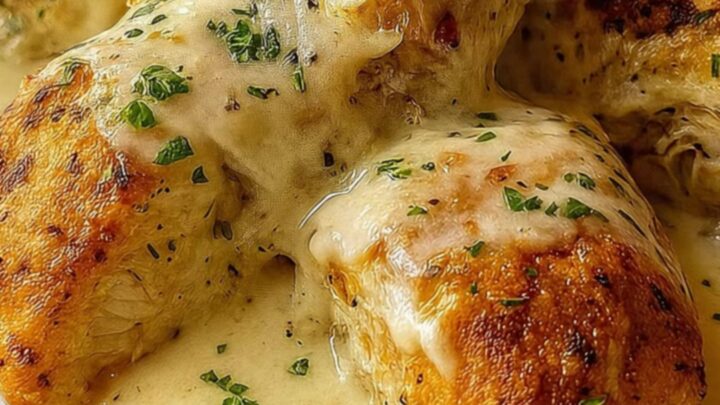
Creamy Chicken Pillows with Parmesan Sauce Tips, FAQ & printable recipe
- Prep
- Cook
- Total
- Serves
- 4
Tips for success
To add extra flavor to the filling, consider folding in finely chopped fresh herbs like parsley or chives. These additions provide a pop of freshness that complements the richness of the cream cheese and Parmesan.
Ensure the herbs are chopped very finely so they do not interfere with the texture of the creamy chicken mixture.
If you prefer a golden finish on the pastry, brush the tops of the rolls with a little bit of egg wash or melted butter before placing them in the oven. This simple step creates a beautiful, professional-looking shine that makes the final dish even more appealing when brought to the table for serving.
Variations
- Spicy Chicken Pillows: Add a teaspoon of red pepper flakes or a dash of hot sauce to the chicken and cream cheese mixture for a subtle, spicy kick that cuts through the creaminess of the sauce.
- Spinach and Chicken Pillows: Fold in a half cup of finely chopped, well-drained cooked spinach into the chicken filling to add a touch of earthy flavor and vibrant color to the dish.
Storage and make-ahead
- Fridge
- Keep refrigerated in an airtight container for up to 3 days.
- Freezer
- Not recommended, as the texture of the pastry and cream sauce will degrade upon thawing.
- Reheat
- Reheat in a 350°F oven for 10-12 minutes until warmed through and the crust is crisp again.
Store any leftover chicken pillows in an airtight container in the refrigerator to keep them fresh. They should be consumed within three days for the best quality and texture.
Keep the sauce separate if possible, as the pastry may absorb too much moisture if stored together for an extended period, which can affect the crispness of the crust.
You can assemble the chicken-filled rolls ahead of time and keep them in the refrigerator for up to four hours before baking. Do not add the sauce until you are ready to bake. This makes the dish perfect for busy days when you need a quick meal that is ready to go into the oven with minimal effort.
Serving ideas
Serve these pillows warm, ideally with a side of steamed vegetables or a crisp green salad to balance the richness of the pastry and cream sauce.
The contrast between the warm, flaky chicken-filled rolls and the fresh, cold salad creates a complete and satisfying meal experience that is perfect for any occasion.
For an elegant presentation, sprinkle a little extra grated Parmesan cheese and some freshly cracked black pepper over the top of the sauce just before serving.
This adds a nice visual touch and a bit of extra seasoning that highlights the savory notes of the dish, making each serving look and taste refined.
Frequently asked questions
Can the crescent rolls be replaced with puff pastry?
What is the best way to ensure the filling stays inside?
How can the sauce be kept from splitting?
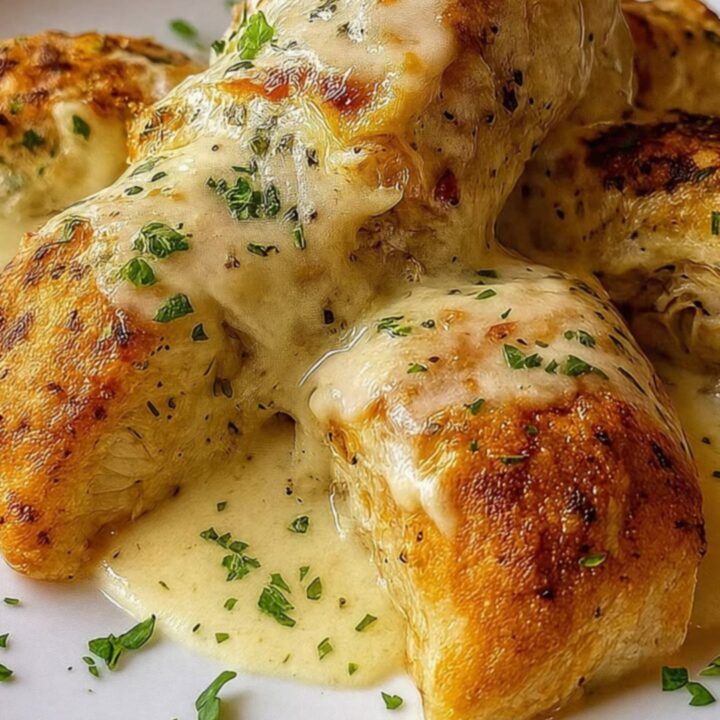
Creamy Chicken Pillows with Parmesan Sauce
Ingredients
- 1 can crescent rolls, refrigerated
- 2 cups shredded chicken, cooked
- 8 oz cream cheese, softened
- 1/2 cup parmesan cheese, grated
Instructions
- In a large mixing bowl, combine the chilled shredded chicken with the softened cream cheese until thoroughly incorporated. Keep the shredded chicken chilled in the refrigerator until ready to combine, ensuring poultry spends at most 30 minutes outside refrigeration before cooking.
- Unroll the crescent rolls and place a generous spoonful of the chicken mixture onto each triangle. Roll them up tightly to seal the filling inside, then arrange them in a greased baking dish.
- Bake in a preheated oven at 375°F until golden brown. Meanwhile, whisk the parmesan in a pan until thickened. Pour the sauce over the baked pillows and serve immediately once the internal temperature of the chicken reaches 165°F (74°C).
Estimated nutrition per serving
- Calories
- 450
- Protein
- 22 g
- Carbohydrates
- 28 g
- Fat
- 26 g
Next recipe
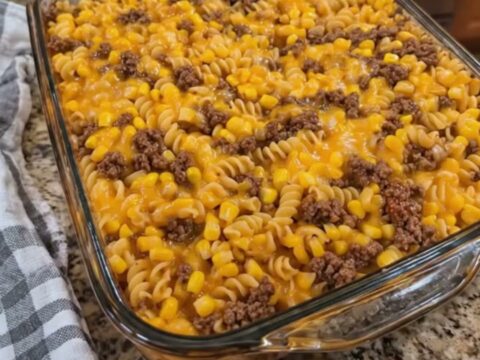
Loaded Cowboy Cheeseburger Casserole
See the recipe → →This recipe is based on a short cooking video and is published under the pen name Clara Weller. It was checked before publication, but errors can slip through. Nutrition, when shown, is an estimate. Read more in our editorial policy and on our food safety page.
More recipes to try

Easy Cheesy Beef Sliders for a Satisfying Meal
Total time: 45 min
Crispy Country Fried Pork Chops with Creamy Bacon Gravy
Total time: 35 min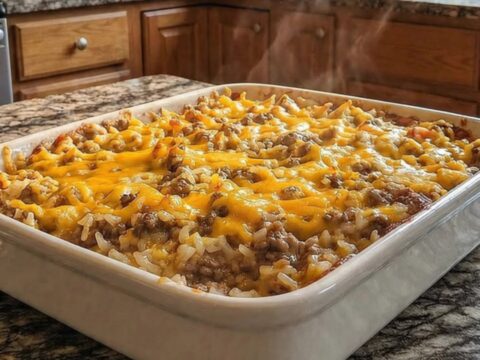
Cheesy Hamburger Rice Casserole for a Quick Dinner
Total time: 1 h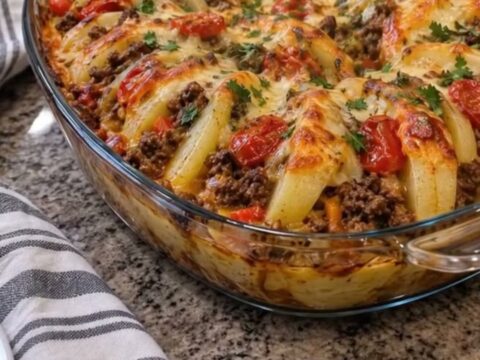
Cheesy Potato and Ground Beef Casserole
Total time: 1 h 15 min
Baked Chicken with Herb Potatoes and Green Beans
Total time: 1 h 5 min