Dinner · Part 2 of 3: Instructions
Creamy Cheesy Broccoli and Potato Casserole Step-by-step instructions
- Prep
- Cook
- Total
- Serves
- 6
Before you start
Before beginning the cooking process, ensure that all vegetables are washed and peeled thoroughly. Have your baking dish ready on the counter and preheat the oven to the specified temperature.
Grate your cheese in advance so that assembly can occur immediately after the vegetables are drained, preventing the potatoes from cooling down too much.
Organizing your workspace and having all ingredients measured and ready will make the entire process smooth and efficient, allowing you to focus on the cooking steps without unnecessary delays or stress.
Ingredients at a glance (3)
- 2 lbs Russet potatoes, peeled and cubed
- 4 cups broccoli florets
- 2 cups shredded cheddar cheese
Instructions
Vegetable preparation
- Prepare the vegetablesBring a large pot of salted water to a boil. Add the cubed potatoes and cook for 8 minutes until slightly tender. Add the broccoli florets to the pot for the final 2 minutes of cooking. Drain the vegetables thoroughly and transfer them to a large mixing bowl.Look for Potatoes should be fork-tender but not falling apart.Tip Do not overcook the broccoli or it will become mushy in the oven.
The potatoes and broccoli should be tender but hold their shape. Ensure all excess water is drained from the pot, as moisture is the enemy of a thick, cheesy sauce. The vegetables should look vibrant and slightly softened before they are moved into the mixing bowl for the next stage of the assembly process.
Assembly and layering
- Assemble the casserolePreheat the oven to 375°F (190°C). In the mixing bowl, toss the drained potatoes and broccoli with the shredded cheese. Transfer the mixture into a 9x13 inch ceramic baking dish, spreading it out into an even layer.Look for Ensure the cheese is evenly distributed throughout the vegetables.Tip Using room temperature ingredients helps the assembly process.
The mixture should be thoroughly coated in the cheese. Ensure the vegetables are spread in an even, flat layer in the baking dish to guarantee uniform cooking and consistent browning across the entire surface of the casserole. A flat, even layer is essential for the cheese to melt uniformly across the top of the dish.
Baking and finishing
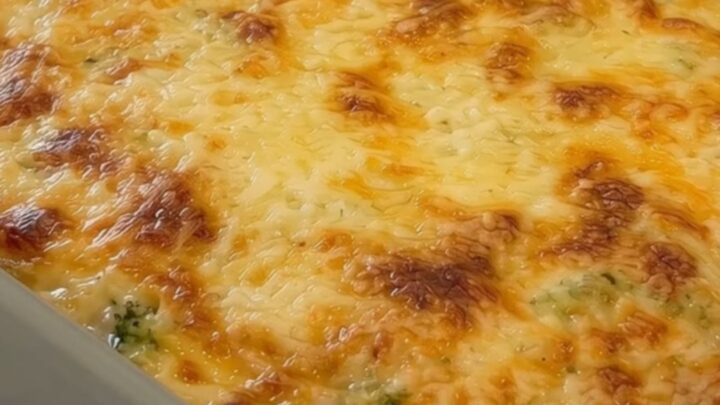
- Bake to perfectionBake for 25 to 30 minutes, or until the cheese is melted, golden brown, and bubbling around the edges. Remove from the oven and let it rest for 10 minutes before serving to allow the dish to settle.Look for The top should be golden brown and the cheese bubbling.Tip Letting the dish rest is essential for the perfect cheese pull.
The top should be a beautiful, golden brown and the cheese should be completely melted. Bubbles should be visible throughout the sauce. Allow the dish to rest for 10 minutes to ensure the cheese pull is stable and the vegetable mixture is fully set before you begin to serve it to your guests.
Common mistakes
A common error is skipping the parboiling step, which results in raw, crunchy potatoes. Another mistake is using too much liquid, which prevents the casserole from setting and results in a soupy consistency.
Always ensure the potatoes are well-drained before adding the cheese, as excess water will dilute the richness of the final dish and ruin the texture. Proper draining is the most important step to ensure the cheese adheres properly to the vegetables.
How to tell it’s done
The casserole is finished when the cheese topping has formed a deep golden-brown crust and the sauce is visibly bubbling at the sides of the dish. A fork should pierce through the potatoes with zero resistance, indicating they are fully tender.
The cheese should appear thickened and glossy, not watery or separated, when lifted with a spatula. The overall appearance should be inviting, with a vibrant contrast between the golden cheese and the tender, cooked vegetables.
Up next · Part 3 of 3
2 variations · storage & make-ahead · 3 answers · printable card
Tips, FAQ & printable recipe (Part 3)← Back to the ingredients (Part 1)