Dinner · Part 2 of 3: Instructions
Creamy Cajun Garlic Parmesan Chicken Pasta Step-by-step instructions
- Prep
- Cook
- Total
- Serves
- 4
Before you start
Before starting, ensure all ingredients are measured and ready to go, as the cooking process moves quickly once the heat is turned on. Chop the garlic finely to ensure it distributes evenly into the sauce.
If you prefer your chicken in smaller pieces, slice the breasts into uniform strips or cubes before seasoning, which helps them cook at the same rate and ensures consistent texture throughout the final meal.
Ingredients at a glance (6)
- 1 1/2 lb chicken breast, sliced into bite-sized pieces
- 1 tbsp Cajun seasoning
- 12 oz rotini pasta
- 4 cloves garlic, minced
- 1 1/2 cups heavy cream
- 3/4 cup parmesan cheese, freshly grated
Instructions
Searing the chicken
- Sear the seasoned chickenSeason the chicken breast thoroughly with the Cajun seasoning. Heat a dry nonstick or lightly seasoned large skillet over medium-high heat. Add the chicken in an even layer and sear until deeply golden brown and the internal temperature reaches 165°F (74°C). Remove the chicken from the skillet and set aside to rest.Look for Chicken should be golden brown and cooked through.Safe temperature 165°F (74°C) internal temperature (poultry)Tip Ensure the skillet is thoroughly hot before adding the chicken to achieve a deep, flavorful sear.
The chicken should be deeply golden on the outside and cooked through to 165°F (74°C). There should be visible browned bits left in the pan, which are vital for the sauce flavor.
Ensure the chicken rests for at least five minutes before serving to maintain its moisture, as this resting period allows the juices to redistribute properly.
Boiling the pasta
- Prepare the pastaWhile the chicken cooks, bring a large pot of water to a boil. Add the rotini pasta and cook according to the package directions until al dente. Drain the pasta using a colander, reserving a small amount of the starchy cooking water if needed later.Look for Pasta should be firm to the bite, known as al dente.Tip Do not overcook the pasta, as it will finish cooking briefly in the hot cream sauce.
The pasta should be cooked until it is tender but still offers a slight resistance when bitten. It should not be mushy or falling apart. Drain it quickly, reserving a small amount of the starchy cooking water. This water is the secret to adjusting the sauce consistency later, ensuring the final dish is perfectly creamy and well-bound.
Emulsifying the sauce
- Create the creamy Cajun sauceIn the same skillet used for the chicken, add the minced garlic and sauté until fragrant. Pour in the heavy cream and bring to a gentle simmer. Stir in the parmesan cheese until melted and smooth. Return the cooked chicken and pasta to the skillet, tossing everything together until well coated and heated through.Look for Sauce should be thick, creamy, and clinging to the pasta.Tip If the sauce becomes too thick, add a splash of the reserved pasta water to loosen it.
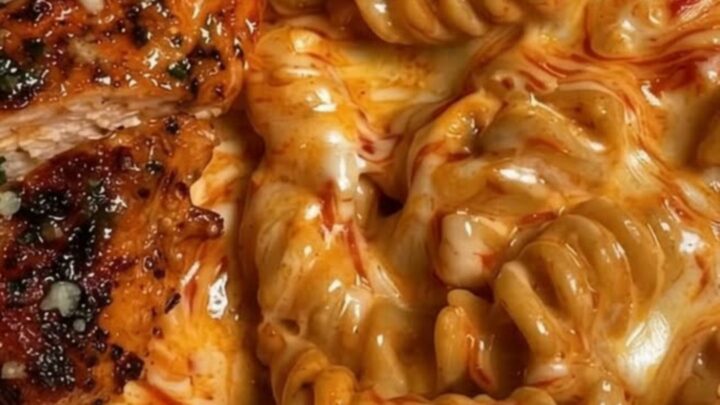
The sauce should smell aromatic from the garlic and look glossy and thick. When the pasta and chicken are tossed in, everything should be coated evenly with no pools of thin liquid at the bottom of the skillet. The final dish should look vibrant, with the spices integrated into the creamy, pale orange-tinted sauce.
Common mistakes
A common mistake is overcrowding the skillet when searing the chicken; if the pieces are packed too tightly, they will steam rather than brown, resulting in less flavor.
Another error is adding the parmesan cheese while the sauce is at a rolling boil; high heat can cause the cheese to clump or the sauce to separate. Maintain a gentle simmer to ensure a silky, stable emulsion.
How to tell it’s done
The chicken is finished when it reaches an internal temperature of 165°F (74°C). The sauce is done when it thickens enough to coat the back of a spoon and the parmesan has fully melted into a smooth, uniform consistency.
The pasta should be al dente, providing a slight chew that contrasts beautifully with the velvety, rich cream sauce surrounding it.
- Poultry: 165°F (74°C) in the thickest part
Up next · Part 3 of 3
2 variations · storage & make-ahead · 3 answers · printable card
Tips, FAQ & printable recipe (Part 3)← Back to the ingredients (Part 1)