Dinner · Part 2 of 3: Instructions
Creamy Cajun Garlic Butter Chicken Linguine Recipe Step-by-step instructions
- Prep
- Cook
- Total
- Serves
- 4
Before you start
Before you begin cooking, it is essential to have all your ingredients prepped and measured. Boil a large pot of salted water for the linguine so it can cook simultaneously with the sauce. Pat the chicken breasts dry with paper towels to ensure a proper sear, then slice them horizontally into even cutlets if they are particularly thick.
Mince the garlic, chop the fresh parsley, and grate the cheese from a block. Having these components ready to go prevents the garlic or sauce from burning while you scramble to prepare the next ingredient.
Ingredients at a glance (8)
- 1 1/2 lb boneless skinless chicken breasts, sliced into cutlets
- 2 tbsp Cajun seasoning
- 4 tbsp butter
- 4 garlic cloves, minced
- 1 1/2 cups heavy cream
- 1/2 cup Parmesan cheese, freshly grated
- 12 oz linguine pasta
- 2 tbsp fresh parsley, chopped
Instructions
Pasta and Chicken Preparation
- Boil the LinguineBring a large pot of salted water to a rolling boil over high heat. Add the linguine and cook according to the package instructions until it reaches an al dente texture, which usually takes about nine to eleven minutes. Drain the pasta, reserving half a cup of the starchy cooking water, and set the drained linguine aside.Look for The pasta should be tender but still have a slight bite in the center.Tip Salting the pasta water generously is your only chance to season the pasta itself.
- Season the ChickenPat the chicken breasts completely dry with paper towels. Place them on a clean cutting board and season both sides generously with the Cajun seasoning, pressing the spices gently into the meat so they adhere well. Let the seasoned chicken rest at room temperature for no more than fifteen minutes before cooking.Look for The chicken should be evenly coated with a colorful layer of spices.Tip Drying the meat thoroughly is the key to achieving a deep, golden-brown crust.
At the end of this initial phase, your linguine should be cooked to a perfect al dente texture and drained, with a small amount of the starchy pasta water set aside for later.
The chicken breasts should be completely dry, generously coated with the vibrant red Cajun seasoning, and resting briefly. The kitchen will begin to smell faintly of the warm, earthy spices from the rub, and all your remaining ingredients should be measured and ready on the counter.
Searing the Chicken
- Sear the Chicken in Garlic ButterMelt the butter in a large skillet over medium-high heat. Once the butter is bubbling, add the minced garlic and sauté for thirty seconds until fragrant. Add the seasoned chicken breasts to the skillet and sear for about six to eight minutes per side, turning once, until the chicken is cooked through and reaches an internal temperature of 165°F (74°C). Transfer the chicken to a clean plate and cover loosely with foil to keep warm.Look for The chicken should have a rich, dark golden-brown crust on both sides.Safe temperature 165°F (74°C) internal temperature (poultry)Tip Avoid crowding the pan so the chicken sears beautifully instead of steaming.
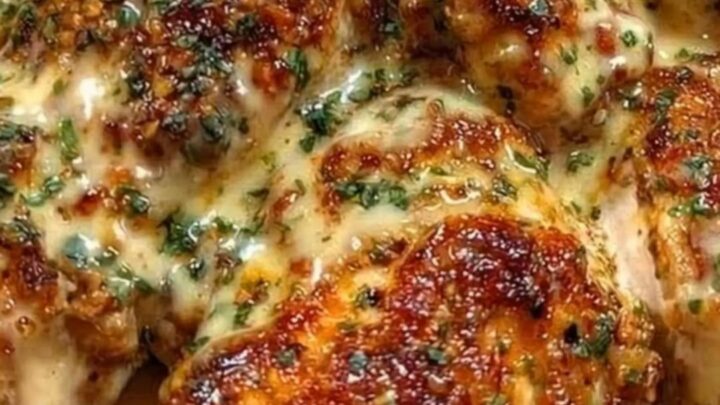
By the end of this cooking phase, the chicken breasts will have developed a gorgeous, deep golden-brown Cajun crust, glistening with garlic butter. The sizzling sound in the pan will have subsided slightly, and the chicken will feel firm to the touch, having reached a safe internal temperature of 165°F (74°C). The pan bottom will be covered in rich, caramelized drippings that carry the intense aroma of toasted garlic and spices.
Sauce Reduction and Assembly
- Create the Velvet Cream SauceReduce the skillet heat to medium. Pour the heavy cream directly into the same skillet, using a wooden spoon to scrape up any browned spicy bits stuck to the bottom of the pan. Bring the cream to a gentle simmer and let it cook for three to five minutes until it begins to thicken slightly. Stir in the grated cheese until completely melted and smooth.Look for The sauce should become smooth, velvety, and thick enough to coat the back of a spoon.Tip Keep the heat at a gentle simmer; boiling the cream too rapidly can cause it to separate.
- Toss and GarnishAdd the cooked linguine directly into the simmering sauce, tossing gently to coat every strand. If the sauce is too thick, splash in a little of the reserved pasta water. Slice the rested chicken into strips. Serve the saucy pasta topped with the sliced Cajun chicken and a generous sprinkle of fresh chopped parsley.Look for The pasta should be glistening and fully coated in the creamy sauce.Tip Let the combined pasta sit in the sauce for one minute before serving to absorb the flavors.
At this final stage, the heavy cream has simmered and reduced into a velvety, cream-colored sauce that has absorbed the spicy pan drippings. The melted cheese should be fully integrated, creating a smooth texture without any graininess. The linguine is completely coated in the sauce, and the sliced chicken is laid over the top. The dish is hot, steaming, and beautifully garnished with bright green fresh parsley.
Common mistakes
One of the most common mistakes when preparing this dish is burning the garlic or the spices in the pan. Garlic burns quickly and becomes bitter, which can ruin the entire flavor profile of the cream sauce. To avoid this, ensure your skillet is not too hot when adding the garlic, and keep it moving constantly.
Another error is adding the heavy cream to a pan that is screaming hot, which can cause the dairy to split or curdle. Always reduce the heat before pouring in the cream to guarantee a smooth, cohesive sauce.
How to tell it’s done
To ensure the chicken is perfectly cooked and safe to consume, always use a digital meat thermometer inserted into the thickest part of the breast. The poultry is fully cooked and safe when it reaches an internal temperature of 165°F (74°C).
Cooking it beyond this point will result in dry, stringy meat. The pasta is done when it is al dente, meaning it is cooked through but still retains a firm, pleasant bite. The sauce is ready when it easily coats the back of a wooden spoon.
- Poultry: 165°F (74°C) in the thickest part
Up next · Part 3 of 3
2 variations · storage & make-ahead · 4 answers · printable card
Tips, FAQ & printable recipe (Part 3)← Back to the ingredients (Part 1)