Dinner · Part 2 of 3: Instructions
Creamy Cajun Chicken and Pasta Skillet Step-by-step instructions
- Prep
- Cook
- Total
- Serves
- 4
Before you start
Before starting, ensure all ingredients are measured and ready, as the cooking process moves quickly once the heat is turned on. Slice the chicken into uniform strips to ensure even cooking times.
Mince the garlic finely so it distributes its flavor throughout the sauce without creating large, overpowering chunks. Have the colander ready by the sink for draining the pasta immediately once it reaches the al dente stage. Preparing the workspace beforehand allows for a smooth, stress-free cooking experience.
Ingredients at a glance (6)
- 1 lb boneless skinless chicken breast, sliced
- 1 tbsp cajun seasoning
- 3 cloves garlic, minced
- 12 oz rotini pasta
- 1 cup creamy sauce base
- 1/2 cup parmesan cheese, grated
Instructions
Boiling the Pasta
- Cook the pastaBring a large pot of salted water to a boil. Add the rotini pasta and cook according to the package instructions until al dente. Drain the pasta thoroughly using a colander and set aside for later use in the sauce.Look for Pasta should be tender but still firm to the bite.Tip Reserve a small splash of pasta water before draining to help adjust the sauce consistency if needed.
The pasta should be cooked until it is tender but still offers a slight resistance to the bite. It must be drained thoroughly, as excess water remaining in the pot or on the pasta can dilute the richness of the creamy sauce later in the process. Check the texture of a single piece of pasta before draining to ensure it is perfectly prepared for the final assembly.
Searing the Chicken
- Sear the chickenSeason the sliced chicken breast generously with the cajun seasoning. Heat a large skillet over medium-high heat with a drizzle of oil. Add the chicken to the pan and cook until golden brown and cooked through, ensuring it reaches an internal temperature of 165°F (74°C). Remove the chicken from the skillet and set aside to rest for at least 3 minutes.Look for Chicken should be opaque throughout and golden brown on the outside.Safe temperature 165°F (74°C) internal temperature (poultry)Tip Avoid overcrowding the skillet to ensure the chicken sears properly rather than steaming in the pan.
The chicken should be evenly browned on all sides, indicating a successful sear that locks in moisture. The pieces should be firm to the touch and cooked completely through.
Ensure the pan is hot enough before adding the chicken to achieve the desired golden-brown crust. Once finished, the chicken should be set aside on a plate to rest, allowing the internal juices to redistribute evenly throughout the meat.
Simmering the Sauce
- Create the creamy sauceIn the same skillet used for the chicken, add the minced garlic and sauté briefly until fragrant. Pour in the creamy sauce base and bring to a gentle simmer. Stir in the parmesan cheese until melted and smooth. Return the cooked chicken to the skillet, add the cooked rotini, and toss everything together until the pasta is evenly coated in the creamy sauce.Look for Sauce should thicken slightly and coat the back of a spoon.Tip Keep the heat low once the cheese is added to prevent the sauce from breaking or becoming oily.
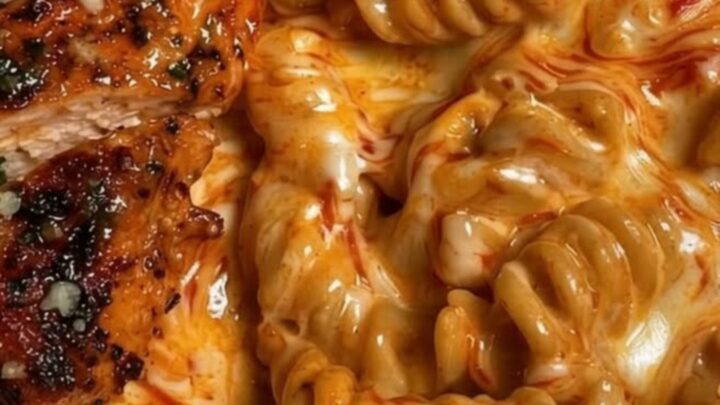
The sauce should be thick, velvety, and fragrant with the aroma of garlic and cajun spices. The parmesan cheese should be fully incorporated, leaving no lumps or separated fat. When the pasta and chicken are tossed back into the skillet, the sauce should cling to every surface of the ingredients. The final dish should look glossy and inviting, with the spices evenly distributed throughout the creamy mixture.
Common mistakes
Avoid overcooking the chicken, as it can quickly become dry and rubbery. Similarly, do not overcook the pasta during the initial boiling phase, as it will continue to soften slightly when tossed with the hot creamy sauce.
Another common mistake is adding the cheese while the sauce base is boiling rapidly, which can cause the sauce to split or become grainy. Always reduce the heat to a low simmer before incorporating the parmesan to maintain a smooth, emulsified sauce structure.
How to tell it’s done
The chicken is done when it is opaque throughout and reaches an internal temperature of 165°F (74°C). The pasta should be cooked al dente, meaning it remains firm to the bite rather than mushy.
The sauce is ready when it coats the back of a spoon and has a smooth, creamy consistency. Check that the chicken has rested for at least 3 minutes before slicing or serving to ensure the juices remain inside the meat, keeping it tender and flavorful.
- Poultry: 165°F (74°C) in the thickest part
Up next · Part 3 of 3
2 variations · storage & make-ahead · 3 answers · printable card
Tips, FAQ & printable recipe (Part 3)← Back to the ingredients (Part 1)