Dinner · Part 3 of 3: Tips & recipe card
Creamy Buttery Cracker Chicken Casserole Tips, FAQ & printable recipe
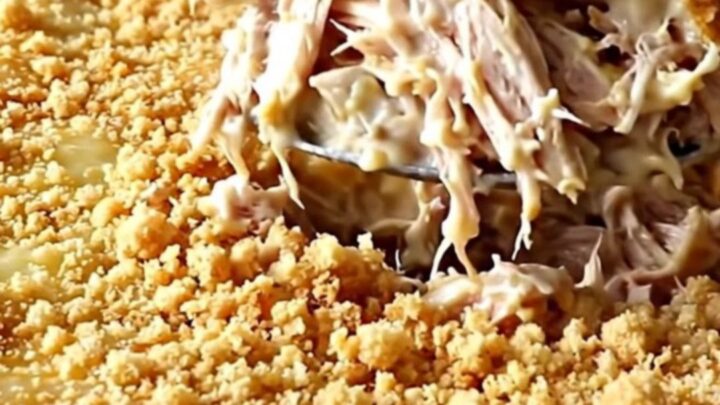
- Prep
- Cook
- Total
- Serves
- 6
Tips for success
For an extra layer of flavor, you can toss your cracker crumbs with a tiny amount of melted butter and herbs before adding them to the top of the casserole. This ensures that every single crumb is perfectly toasted and seasoned, enhancing the overall savory profile of the dish.
If you find that your cracker topping is browning faster than the center is heating, you can loosely tent the dish with aluminum foil for the first half of the baking time.
Remove the foil for the final ten minutes to allow the topping to achieve that perfect, sought-after golden crunch.
Variations
- Cheesy Chicken Casserole: Stir one cup of shredded cheddar cheese into the creamy sauce before spreading it over the chicken to add a rich, gooey element that kids will love.
- Herbed Chicken Casserole: Mix a tablespoon of dried thyme or rosemary into the cracker crumbs before topping to introduce a fragrant, earthy note that pairs beautifully with the creamy sauce.
Storage and make-ahead
- Fridge
- Store in an airtight container for up to 3 days.
- Freezer
- The casserole can be frozen for up to 2 months; however, the cracker topping will lose its crispness upon thawing and reheating.
- Reheat
- Reheat in a 350°F oven until hot or microwave in individual portions.
If you have leftovers, allow the casserole to cool to room temperature for no more than two hours before transferring it to an airtight container.
This prevents the cracker topping from becoming too soft due to excess moisture. Store the container in the refrigerator to keep the chicken safe and flavorful for up to three days.
You can assemble the casserole up to 24 hours in advance, but keep the cracker topping in a separate sealed bag until you are ready to bake. This ensures the crackers stay perfectly crisp.
When you are ready to serve, simply sprinkle the topping over the pre-assembled base and bake according to the original instructions, perhaps adding a few extra minutes to compensate for the cold ingredients.
Serving ideas
Serve this casserole hot, straight from the baking dish, for the best experience of the contrasting textures.
A large serving spoon is ideal for scooping out portions, ensuring that each plate gets a generous helping of both the creamy chicken base and the crispy, buttery topping.
Accompany this dish with a simple side, such as steamed green beans or a crisp garden salad, to add a fresh element that cuts through the richness of the creamy sauce. The neutral flavors of these sides allow the savory chicken and buttery crust to remain the stars of the meal.
Frequently asked questions
Can this casserole be made ahead of time?
What is the best way to ensure the topping stays crispy?
Can other types of crackers be used?
Creamy Buttery Cracker Chicken Casserole
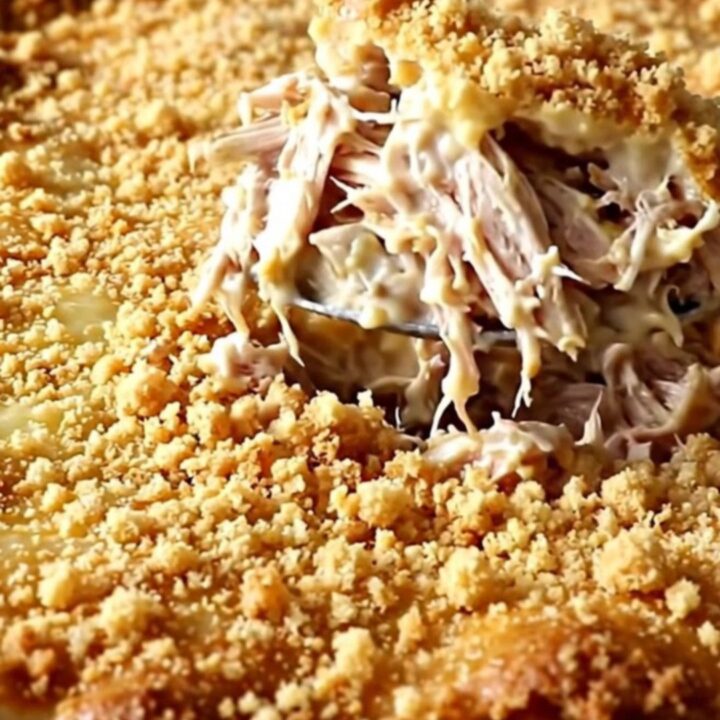
Ingredients
- 4 cups shredded cooked chicken
- 2 cups creamy sauce, prepared or store-bought
- 1 1/2 cups buttery cracker crumbs
Instructions
- Preheat the oven to 375°F (190°C). In a large rectangular ceramic baking dish, spread the shredded cooked chicken evenly across the bottom, ensuring it covers the entire surface area of the dish to create a solid foundation for the sauce.
- Spoon the creamy sauce over the layer of shredded chicken, using the back of a spoon to smooth it out until the chicken is completely and evenly coated. Generously sprinkle the crushed buttery crackers over the top of the sauce to form a uniform layer.
- Place the dish in the preheated oven and bake until the sauce is bubbling at the edges and the cracker topping is golden brown, reaching an internal temperature of 165°F (74°C). Remove from the oven and let it rest for 5 minutes before serving.
Estimated nutrition per serving
- Calories
- 450
- Protein
- 28 g
- Carbohydrates
- 22 g
- Fat
- 26 g
- Fiber
- 1 g
- Sugar
- 2 g
- Sodium
- 850 mg
Next recipe
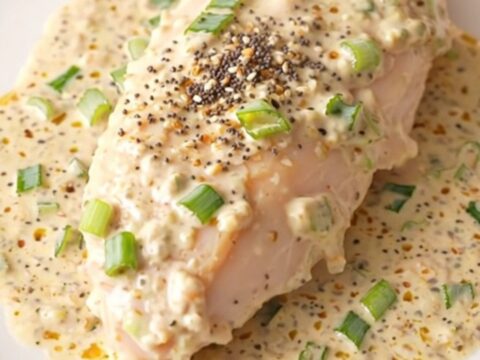
Creamy Everything Bagel Slow Cooker Chicken
See the recipe → →This recipe is based on a short cooking video and is published under the pen name Clara Weller. It was checked before publication, but errors can slip through. Nutrition, when shown, is an estimate. Read more in our editorial policy and on our food safety page.
More recipes to try
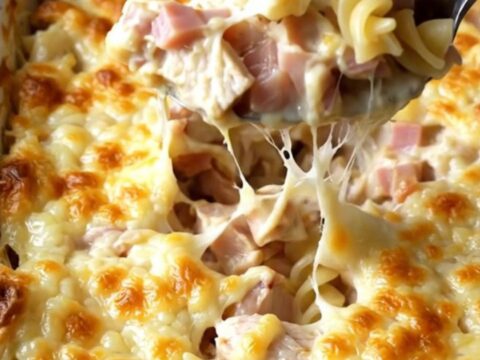
Creamy Chicken Cordon Bleu Pasta Bake
Total time: 1 h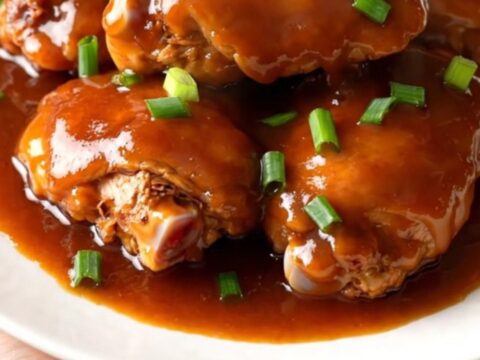
Easy Crockpot Char Siu Chicken Thighs
Total time: 4 h 10 min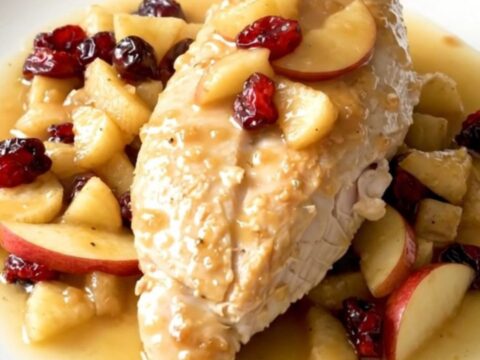
Slow Cooker Apple Cranberry Chicken
Total time: 6 h 10 min
Slow Cooker Smoky Paprika Kielbasa with Peppers and Onions
Total time: 4 h 10 min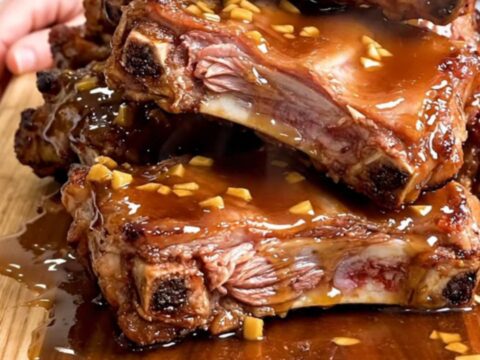
Slow Cooker Honey Garlic Spareribs
Total time: 8 h 15 min