Dinner · Part 2 of 3: Instructions
Creamy Butternut Squash Mac and Cheese Bake Step-by-step instructions
- Prep
- Cook
- Total
- Serves
- 6
Before you start
Before beginning, ensure that all ingredients are measured and ready. If you are preparing your own butternut squash sauce, make sure it has cooled slightly if it was just cooked, though it can be used warm.
Preheat the oven to 375°F (190°C) and ensure the oven rack is in the center position for even heat distribution. Have your baking dish, cheese grater, and a sturdy serving spoon within reach to ensure the assembly process remains smooth and efficient from start to finish.
Ingredients at a glance (3)
- 1 lb elbow macaroni, uncooked
- 2 cups butternut squash sauce, prepared
- 2 cups sharp cheddar cheese, freshly shredded
Instructions
Pasta Preparation
- Prepare the pasta basePreheat the oven to 375°F (190°C). Take a large rectangular ceramic baking dish and add the dry, uncooked elbow macaroni directly into the dish. Spread the pasta evenly across the bottom so it covers the surface from edge to edge.Look for The pasta should be distributed in a single, even layer across the bottom of the dish.Tip Ensure the dish is large enough to prevent the pasta from being piled too high in the center.
The macaroni is evenly spread across the bottom of the baking dish, creating a flat, uniform layer that ensures even cooking throughout the entire baking process. Check that the edges of the dish are clean and that no pasta is clumped together in the corners.
Sauce Integration
- Incorporate the saucePour the creamy butternut squash sauce over the dry macaroni. Ensure the sauce covers all the pasta noodles until they are just submerged. Use a spoon to gently nudge any dry noodles into the sauce, making sure everything is evenly coated.Look for The sauce should fully submerge the pasta, creating a uniform, orange-colored mixture in the dish.Tip If the sauce seems too thick, whisk in a splash of vegetable broth to help it distribute more easily.
The sauce completely covers the macaroni, with no dry spots visible on the surface. The mixture should appear smooth and well-distributed, with the sauce filling the gaps between the noodles to facilitate consistent cooking during the time in the oven.
Final Baking
- Add cheese and bakePile the freshly shredded sharp cheddar cheese thickly over the top of the pasta and sauce mixture. Place the dish into the preheated oven and bake until the edges are bubbling and the top is melted and golden. Let it rest for 5 minutes before serving.Look for The edges should be bubbling vigorously and the cheese should be melted with golden spots on the surface.Tip Cover the dish with foil for the first 20 minutes if the cheese begins to brown too quickly.
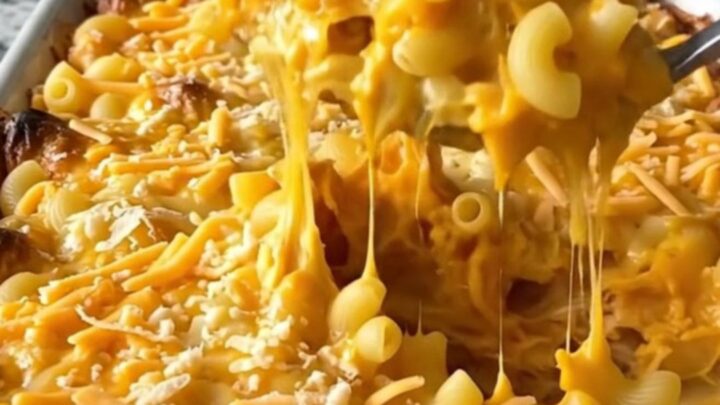
The cheese is melted and bubbling, with some areas starting to turn a light golden brown. The aroma of roasted squash and toasted cheese should be prominent, indicating that the dish is cooked through and ready to be removed from the heat.
Common mistakes
A common mistake is using too little sauce, which leaves the pasta dry and undercooked. Ensure the pasta is fully submerged, as the noodles rely on the liquid in the sauce to soften properly in the oven.
Another error is using pre-shredded cheese, which often results in a poor melt and a gritty texture. Always opt for fresh cheese to ensure a silky, consistent sauce. Finally, avoid over-baking, which can dry out the sauce and make the pasta mushy.
How to tell it’s done
The dish is ready when the edges are bubbling vigorously and the sharp cheddar has melted into a golden, slightly browned crust.
The macaroni should be tender to the bite, and the sauce should have reduced slightly, clinging to the pasta rather than pooling at the bottom of the dish.
Allow the bake to rest for at least 5 minutes before serving to let the sauce set, which prevents it from being too runny when you scoop it onto plates.
Up next · Part 3 of 3
2 variations · storage & make-ahead · 3 answers · printable card
Tips, FAQ & printable recipe (Part 3)← Back to the ingredients (Part 1)