Dinner · Part 1 of 3: Ingredients
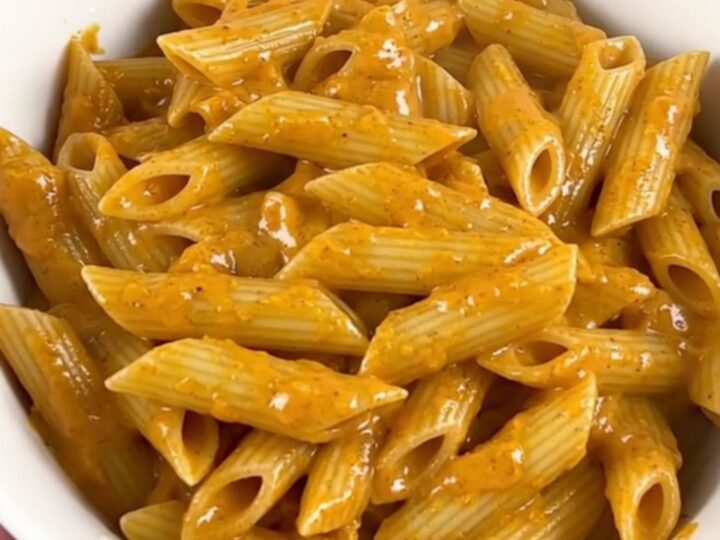
Creamy Buffalo Smoked Sausage Pasta
- Prep
- Cook
- Total
- Serves
- 6
Discover a foolproof method for creating a restaurant-style creamy pasta dish right in your slow cooker. By layering simple, savory ingredients, you can achieve a rich, comforting meal that practically cooks itself while you attend to your day.
This creamy buffalo-ranch pasta is an ideal solution for those seeking a hearty, satisfying dinner without the stress of constant monitoring. Using a slow cooker allows the flavors of the smoked sausage to infuse the pasta, while the cream cheese melts into a velvety sauce.
It is a straightforward approach that relies on the convenience of modern kitchen appliances to deliver a comforting, flavorful experience for the entire family. With minimal prep, this dish transforms basic pantry staples into a meal that feels special enough for any occasion.
Ingredients
Main
- 1 lb smoked sausage, sliced into rounds
- 1 lb penne pasta, uncooked
Seasoning
- 1 packet ranch seasoning mix
Sauce
- 8 oz cream cheese, cut into cubes
Why this recipe works
The slow cooker method is highly effective because it allows the pasta to absorb the moisture and seasonings slowly, resulting in a deeper flavor profile. By layering the ingredients, the sausage releases its savory fat, which helps coat the pasta as it cooks, creating a natural emulsion with the melting cream cheese. This technique ensures that every bite is packed with the tangy, savory notes of the buffalo-ranch seasoning.
Additionally, this method prevents the common issue of unevenly cooked pasta. By placing the dry pasta at the base or middle, it remains submerged in the developing sauce, ensuring it reaches the perfect al dente texture.
The steady, consistent heat of the slow cooker provides the ideal environment for the cream cheese to break down into a smooth, glossy sauce that clings to the penne, providing a professional finish with very little effort.
Notes and substitutions
For the best results, use a high-quality smoked sausage that is already fully cooked, as this ensures the meat remains succulent throughout the long cooking process. If you prefer a milder flavor, ensure the ranch seasoning used does not contain excessive heat, or adjust by adding a small amount of mild buffalo sauce if desired.
The choice of pasta is also important; short, ridged shapes like penne or rotini are recommended because they possess the structural integrity to hold the thick, creamy sauce without becoming overly soft.
Regarding equipment, any standard oval or round slow cooker will work well for this recipe. If your slow cooker tends to run hot, consider checking the pasta about 30 minutes before the end of the suggested cooking time to ensure it does not overcook.
Always ensure your cream cheese is cut into uniform cubes, as this facilitates even melting throughout the dish. If you need to make substitutions, remember that the fat content in the cream cheese is essential for the final texture, so avoid using alternatives that might alter the consistency.
- smoked sausage: Use pre-cooked chicken sausage or kielbasa for a different flavor profile while keeping the texture consistent.
- penne pasta: Substitute with other short pasta shapes like rotini or rigatoni, which hold the creamy sauce just as well.
Equipment
- Slow cooker
- Chef knife
- Cutting board
- Silicone spatula
Up next · Part 2 of 3
3 steps · 3 h of cooking · what to look for at each stage
Step-by-step instructions (Part 2)