Dinner · Part 3 of 3: Tips & recipe card
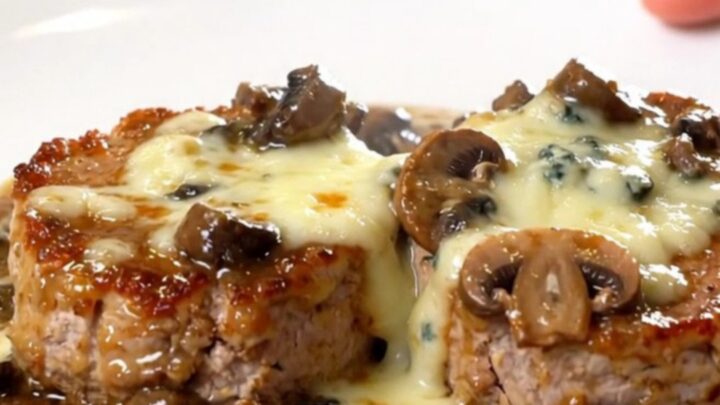
Creamy Blue Cheese Pork Tenderloin Slow Cooker Recipe Tips, FAQ & printable recipe
- Prep
- Cook
- Total
- Serves
- 4
Tips for success
If you find the sauce is slightly too thin after cooking, you can remove the pork and whisk the sauce vigorously to incorporate any remaining cheese solids.
If you prefer an even thicker consistency, you can stir in a small amount of cornstarch slurry and cook on high for an additional 10 minutes until it reaches your desired thickness.
Consider serving this dish alongside a simple green salad or roasted vegetables to balance the richness of the creamy sauce.
The tanginess of the blue cheese pairs exceptionally well with bitter greens like arugula or radicchio, which cut through the creaminess of the dish and provide a refreshing contrast that makes the entire meal feel complete and well-rounded.
Variations
- Herb Infused: Add a tablespoon of fresh thyme or rosemary when adding the mushrooms to infuse the sauce with a woody, aromatic depth that pairs wonderfully with the blue cheese.
- Bacon Topped: Sprinkle crispy, cooked bacon bits over the finished dish just before serving to add a smoky crunch that contrasts beautifully with the soft pork and creamy sauce.
Storage and make-ahead
- Fridge
- Store in an airtight container for up to 3 days.
- Freezer
- Freezing is not recommended as the cream-based sauce may separate upon thawing.
- Reheat
- Reheat gently in a saucepan over low heat until warmed through, adding a splash of water or cream if the sauce is too thick.
Store any leftovers in an airtight container in the refrigerator for up to 3 days. Ensure the pork is completely cooled before covering, but do not leave it out at room temperature for more than 2 hours.
When storing, keep the medallions submerged in the sauce to prevent the meat from drying out while in the cold environment of the fridge.
While this dish is best served fresh, you can prepare the ingredients in advance by slicing the mushrooms and crumbling the cheese.
However, do not combine the ingredients in the slow cooker until you are ready to start the cooking process, as the raw pork should remain refrigerated until the last possible moment to ensure food safety and optimal quality.
Serving ideas
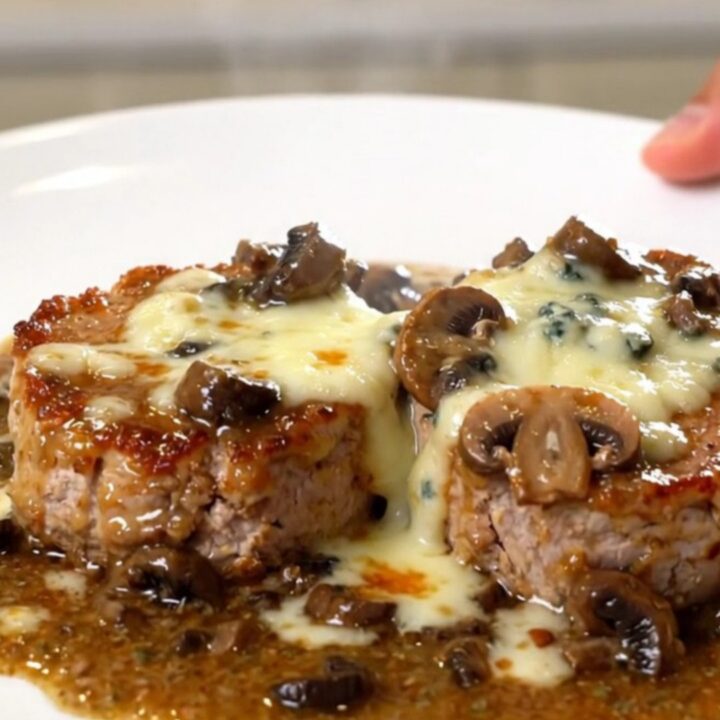
Serve the pork medallions warm, spooning plenty of the creamy blue cheese and mushroom sauce over each piece. It is visually appealing to arrange the medallions in a fan pattern on the plate, ensuring each serving gets a generous portion of the mushrooms and the rich, velvety sauce that has developed during the slow cooking process.
For a complete meal, pair this dish with a side of steamed asparagus or mashed potatoes to soak up the leftover sauce. The combination of the tender, savory pork and the bold, tangy blue cheese makes for a sophisticated presentation that is perfect for a special dinner, yet simple enough to prepare on any busy weekday evening.
Frequently asked questions
Can a different type of cheese be used instead of blue cheese?
Is it possible to overcook pork tenderloin in a slow cooker?
How can the sauce be thickened if it is too runny?
Creamy Blue Cheese Pork Tenderloin Slow Cooker Recipe
Ingredients
- 2 lbs pork tenderloin
- 1 cup mushrooms, sliced
- 1/3 cup blue cheese, crumbled
- 1 cup heavy cream
Instructions
- Place the raw pork tenderloin into the bottom of the slow cooker insert. Ensure the slow cooker is clean and placed on a stable surface before beginning.
- Scatter the sliced mushrooms and crumbled blue cheese evenly over the pork. Pour the heavy cream over the top to coat the meat and mushrooms.
- Cover the slow cooker and cook on low for 4 hours. Once done, ensure the pork reaches an internal temperature of 145°F (63°C). Let the meat rest for 5 minutes before slicing into medallions.
Estimated nutrition per serving
- Calories
- 420
- Protein
- 32 g
- Carbohydrates
- 6.5 g
- Fat
- 29 g
- Fiber
- 0.5 g
- Sugar
- 2 g
- Sodium
- 450 mg
Next recipe
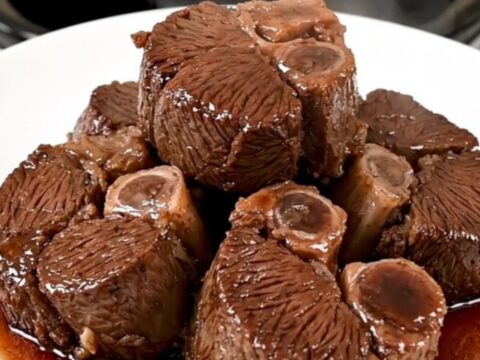
Slow Cooker Braised Beef Cheeks in Red Wine
See the recipe → →This recipe is based on a short cooking video and is published under the pen name Clara Weller. It was checked before publication, but errors can slip through. Nutrition, when shown, is an estimate. Read more in our editorial policy and on our food safety page.
More recipes to try

Creamy Slow Cooker Endive and Potato Soup
Total time: 4 h 10 min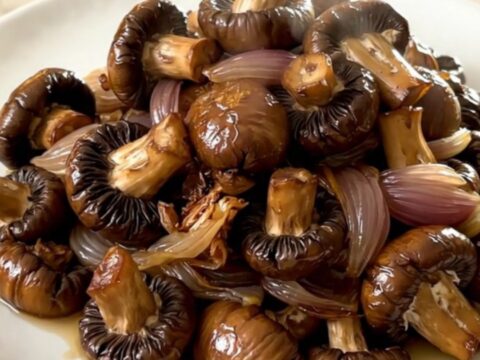
Slow Cooker Cider and Shallot Mushrooms for an Easy Side
Total time: 3 h 15 min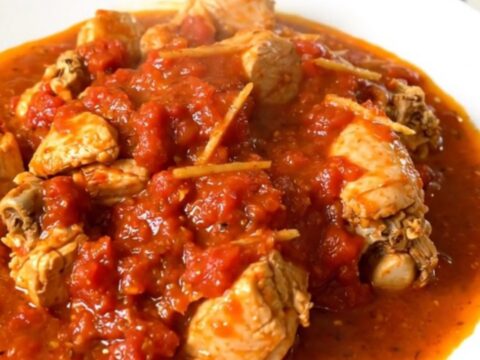
Slow Cooker Chicken Rougail with Tomato and Ginger
Total time: 4 h 15 min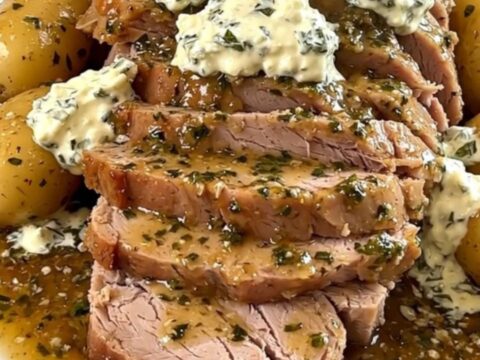
Slow Cooker Garlic and Herb Pork Roast for an Easy Dinner
Total time: 8 h 15 min
Slow Cooker Munster Chicken with Caraway and White Wine
Total time: 4 h 15 min