Dinner · Part 2 of 3: Instructions
Creamy Beef Tortellini for a Quick Comforting Dinner Step-by-step instructions
- Prep
- Cook
- Total
- Serves
- 4
Before you start
Before beginning, ensure all ingredients are measured and ready. Have the beef thawed completely if stored in the freezer. Prepare a colander if you need to drain excess fat from the skillet after browning the meat.
Clear enough space on the stovetop to work comfortably with your large skillet and have a sturdy wooden spoon or heat-resistant spatula ready for constant stirring.
Ingredients at a glance (4)
- 1 lb ground beef
- 1 lb cheese tortellini
- 1 cup tomato broth
- 1/2 cup heavy cream
Instructions
Browning the beef
- Brown the beefPlace the ground beef in a large skillet over medium-high heat. Cook, breaking it up with a wooden spoon, until the meat is browned and reaches an internal temperature of 160°F (71°C). Drain excess fat if necessary.Look for The beef should be deeply browned and sizzling with no pink remaining.Safe temperature 160°F (71°C) internal temperature (ground meat)Tip Avoid overcrowding the pan to ensure the beef browns properly rather than steaming.
The beef should look deeply caramelized and brown. Listen for a distinct, consistent sizzling sound in the pan, which indicates that the moisture has evaporated and the meat is browning properly.
Ensure all large chunks are broken down into small, uniform pieces for even distribution throughout the final dish.
Building the sauce
- Build the saucePour the tomato broth into the skillet with the cooked beef. Bring the mixture to a gentle simmer, allowing the flavors to meld for a few minutes. Stir in the heavy cream and let it bubble softly until the sauce thickens slightly.Look for The sauce will turn a rich, creamy orange color and coat the back of a spoon.Tip Keep the heat low after adding cream to prevent it from curdling.
At this stage, the tomato broth and cream should be fully incorporated into a smooth, cohesive sauce. It should look vibrant and slightly thick. If the sauce looks too thin, continue simmering gently until it reduces enough to coat the back of a spoon without running off too quickly.
Finishing the pasta
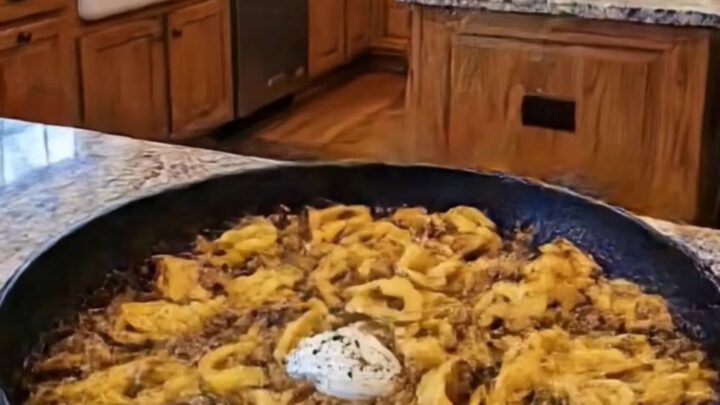
- Combine and finishAdd the cheese tortellini to the skillet. Toss the pasta gently in the creamy sauce until every piece is evenly coated and the pasta is tender. Serve immediately while hot and steaming.Look for The pasta should be tender and the sauce should have a velvety, glossy consistency.Tip Serve with an extra small dollop of cream on top for a beautiful presentation.
The final dish should look glossy and inviting, with every piece of tortellini coated in the rich, creamy sauce. The pasta should be warm throughout and tender. The overall aroma should be savory and comforting, with the scent of the tomato and cream balancing the heartiness of the browned beef.
Common mistakes
A common mistake is adding the cream too early or at too high a temperature, which can cause it to separate or become grainy. Always reduce the heat before pouring in the cream.
Another error is overcooking the pasta; keep a close eye on the tortellini during the final phase, as it only needs a few minutes to absorb the sauce and heat through completely.
How to tell it’s done
The dish is complete when the tortellini is cooked through to your preferred tenderness, usually al dente, and the sauce has reached a thick, velvety consistency.
The beef must reach a safe internal temperature of 160°F (71°C) during the browning phase to ensure it is fully cooked before the sauce is built.
- Ground meat: 160°F (71°C) in the thickest part
Up next · Part 3 of 3
2 variations · storage & make-ahead · 3 answers · printable card
Tips, FAQ & printable recipe (Part 3)← Back to the ingredients (Part 1)