Dinner · Part 3 of 3: Tips & recipe card
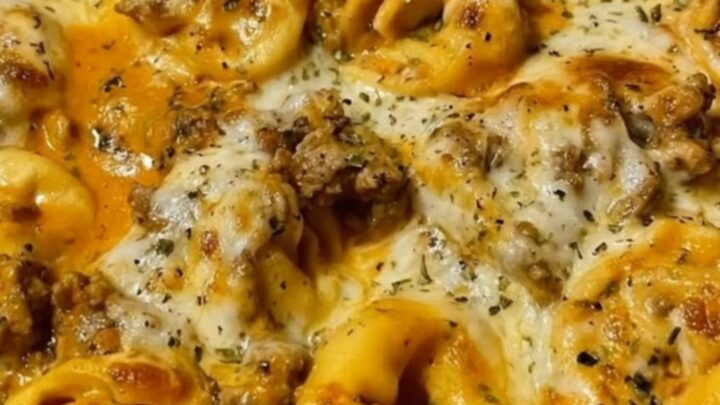
Creamy Beef and Cheese Tortellini Skillet Tips, FAQ & printable recipe
- Prep
- Cook
- Total
- Serves
- 4
Tips for success
To add a touch of freshness, garnish the finished dish with chopped fresh parsley or basil just before serving. This adds a bright color and a subtle herbal note that cuts through the richness of the cream and cheese. Adjust the seasoning with freshly cracked black pepper to suit personal taste preferences.
If the sauce thickens too much upon standing, stir in a tablespoon of warm water or milk to restore the desired consistency. This is especially useful if the dish is being prepared a few minutes before guests arrive. Keep the skillet covered to retain heat and moisture until the moment of serving.
Variations
- Spicy Beef Tortellini: Add a teaspoon of crushed red pepper flakes or a dash of hot sauce to the beef while browning for a spicy kick that complements the creamy sauce.
- Vegetable-Packed Skillet: Incorporate sautéed spinach, mushrooms, or diced bell peppers when cooking the beef to add extra texture and color to the finished dish.
Storage and make-ahead
- Fridge
- Store in an airtight container for up to 3 days in the refrigerator.
- Freezer
- Freeze in a freezer-safe container for up to 1 month. Thaw in the refrigerator before reheating.
- Reheat
- Reheat gently in a skillet over low heat, adding a splash of water or milk to loosen the sauce until heated through.
Transfer any leftovers to an airtight container once the dish has cooled to room temperature, which should take no more than two hours.
Proper storage ensures the quality of the pasta and sauce is maintained for the next meal. Keep the container in the coldest part of the refrigerator to ensure safety and freshness.
This dish can be assembled up to the point of adding the cheese. Keep the beef and pasta mixture in the refrigerator, and when ready to eat, reheat it on the stovetop, then add the cheese and melt as directed.
This makes it a convenient option for planning meals in advance without sacrificing texture or flavor.
Serving ideas
Serve the skillet directly from the pan for a rustic presentation, or spoon generous portions onto warmed plates.
Provide a large serving spoon to ensure everyone gets a good mix of the beef, tortellini, and melted cheese. Accompany the meal with a crisp green salad or roasted vegetables to round out the dining experience.
For a complete meal, pair this dish with crusty garlic bread to soak up any remaining sauce. The combination of the soft pasta and the crunchy bread offers a delightful contrast in textures.
Ensure the plates are warm before serving to help maintain the temperature of the creamy, cheesy sauce throughout the meal.
Frequently asked questions
Can different types of pasta be used instead of tortellini?
What is the best way to prevent the sauce from breaking?
Should the tortellini be cooked before adding it to the skillet?
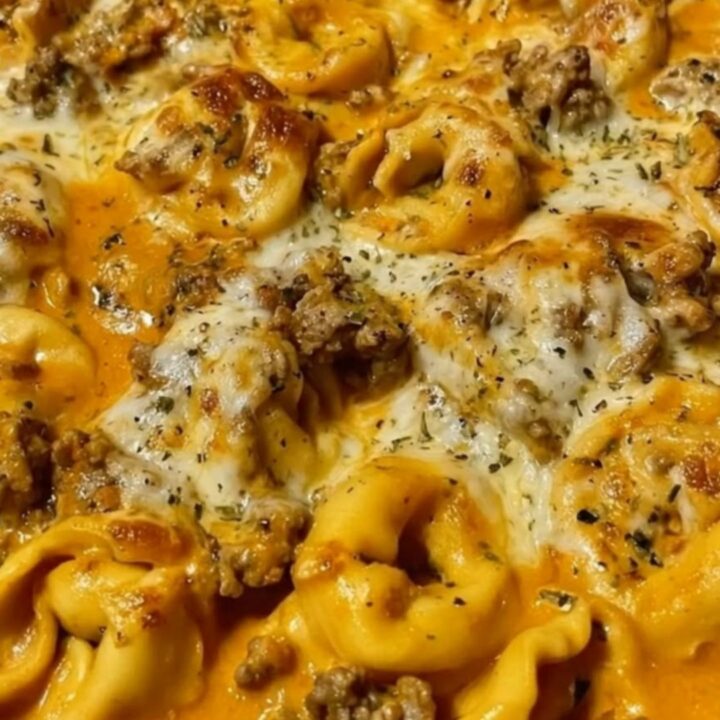
Creamy Beef and Cheese Tortellini Skillet
Ingredients
- 1 lb ground beef
- 1 lb cheese tortellini
- 1 cup creamy sauce
- 1 cup shredded cheese
Instructions
- Heat a large black skillet over medium-high heat. Add the ground beef and cook, breaking it apart with a wooden spoon, until it is browned and reaches an internal temperature of 160°F (71°C). Drain any excess fat if needed.
- Add the cheese tortellini and the creamy sauce to the skillet with the cooked beef. Stir gently to ensure the pasta is evenly coated in the sauce. Allow the mixture to simmer until the tortellini is tender and heated through.
- Sprinkle the shredded cheese over the top of the skillet. Cover the skillet briefly or place it under a broiler if the handle is oven-safe until the cheese is melted and bubbling.
Estimated nutrition per serving
- Calories
- 550
- Protein
- 28 g
- Carbohydrates
- 45 g
- Fat
- 29 g
- Fiber
- 2 g
- Sugar
- 3 g
- Sodium
- 850 mg
Next recipe
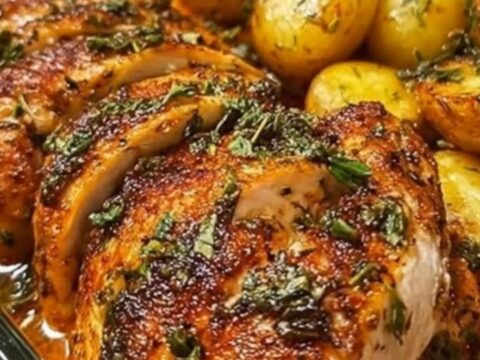
Herb-Roasted Chicken with Potatoes and Green Beans
See the recipe → →This recipe is based on a short cooking video and is published under the pen name Clara Weller. It was checked before publication, but errors can slip through. Nutrition, when shown, is an estimate. Read more in our editorial policy and on our food safety page.
More recipes to try

Crispy Skillet Fried Potatoes and Smoked Sausage
Total time: 35 min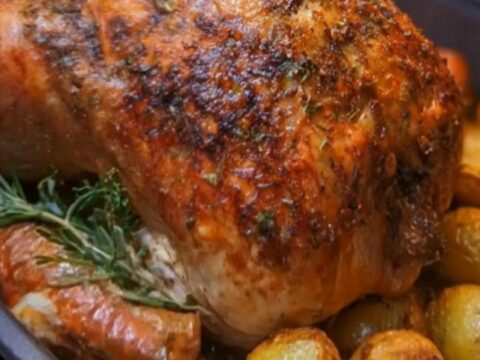
Herb-Roasted Chicken with Crispy Baby Potatoes
Total time: 1 h 25 min
Slow Cooker French Onion Potatoes for a Rich Comforting Meal
Total time: 4 h 25 min
Juicy Glazed Grilled Steak for a Quick Dinner
Total time: 30 min
Sticky Honey Garlic Chili Chicken for a Quick Dinner
Total time: 4 h 15 min