Dinner · Part 2 of 3: Instructions
Creamy Bang Bang Salmon Bites Step-by-step instructions
- Prep
- Cook
- Total
- Serves
- 4
Before you start
Before beginning, ensure the salmon fillet is thoroughly patted dry with paper towels. Excess moisture on the surface of the fish acts as a barrier to browning, which can result in steamed rather than seared salmon.
Have your tongs and a serving platter ready, as the cooking process moves quickly once the salmon hits the hot skillet. Prepare the sauce in advance so it is ready to be added as soon as the fish is seared.
Ingredients at a glance (3)
- 1 lb salmon fillet, cut into bite-sized cubes
- 1/2 cup creamy bang bang sauce, store-bought or made ahead
- fresh chives, chopped, for serving
Instructions
Salmon Preparation
- Prepare the SalmonCut the salmon fillet into uniform bite-sized cubes. Ensure the salmon is patted dry with paper towels to facilitate a better sear in the pan.Look for The salmon cubes should be uniform in size for even cooking.Tip Removing excess moisture from the surface of the fish is key to achieving a golden-brown crust.
The salmon should be cut into uniform cubes and patted completely dry. This preparation step is crucial for achieving a consistent cook and a beautiful sear.
Ensure the cubes are roughly the same size to promote even heat distribution during the searing phase. Keep the prepared salmon in the refrigerator until the very moment the pan is hot and ready for cooking.
Searing the Salmon
- Sear the SalmonPreheat a large dry non-stick skillet over medium-high heat. Add the salmon cubes in a single layer. Sear the salmon cubes in their natural rendered fat for about 3 to 4 minutes per side until they reach an internal temperature of 145°F (63°C).Look for The salmon should develop a deep golden-brown crust on the outside while remaining tender inside.Safe temperature 145°F (63°C) internal temperature (fish)Tip Use tongs to carefully flip each cube to ensure even browning without breaking the delicate fish.
At the end of this phase, the salmon cubes should exhibit a distinct golden-brown crust on all sides. The flesh should be firm to the touch and opaque throughout. Check that no pieces are sticking to the bottom of the pan and ensure that the internal temperature of the largest piece has reached 145°F (63°C) before proceeding to the final glazing step.
Glazing and Serving
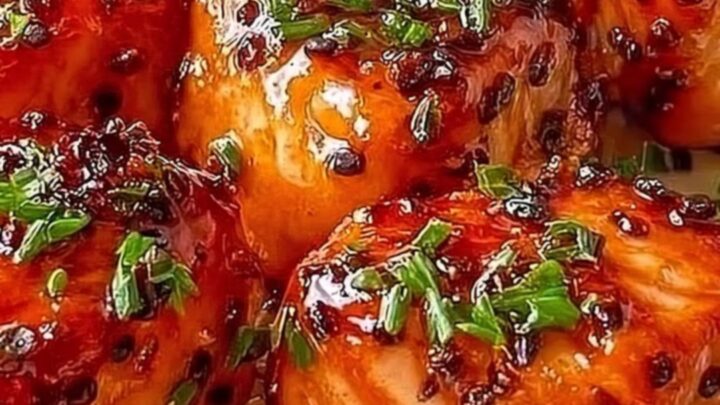
- Glaze and ServeRemove the skillet from the heat and pour the creamy bang bang sauce over the seared salmon bites. Toss gently with tongs to coat every piece evenly in the sauce. Garnish with chopped fresh chives before serving immediately while warm.Look for The sauce will thicken slightly from the residual heat of the pan, creating a glossy, rich coating on the salmon.Tip Serve immediately to enjoy the contrast between the hot, seared salmon and the cool, creamy sauce.
The final dish should appear glossy and vibrant, with the sauce clinging evenly to each golden-brown salmon cube. The aroma should be savory and slightly sweet. Once garnished with chives, the dish is ready. Check that the sauce has warmed through slightly from the residual heat of the salmon but remains creamy and not oily or separated.
Common mistakes
A common mistake is overcrowding the pan, which lowers the surface temperature and causes the salmon to release its juices, leading to steaming instead of searing.
Another error is moving the salmon too soon; allow the cubes to sit undisturbed for at least two minutes to develop a crust. Additionally, ensure the sauce is added only after the pan is removed from the heat to prevent the sauce from breaking or becoming too oily.
How to tell it’s done
The salmon is perfectly cooked when it reaches an internal temperature of 145°F (63°C). Visually, the salmon should be opaque and flake easily when gently pressed with a fork.
The exterior should show signs of deep caramelization, indicating a successful sear. Avoid overcooking, as salmon can quickly lose its moisture and become dry if left on the heat for too long after reaching the target temperature.
- Fish: 145°F (63°C) in the thickest part
Up next · Part 3 of 3
2 variations · storage & make-ahead · 3 answers · printable card
Tips, FAQ & printable recipe (Part 3)← Back to the ingredients (Part 1)