Dinner · Part 1 of 3: Ingredients
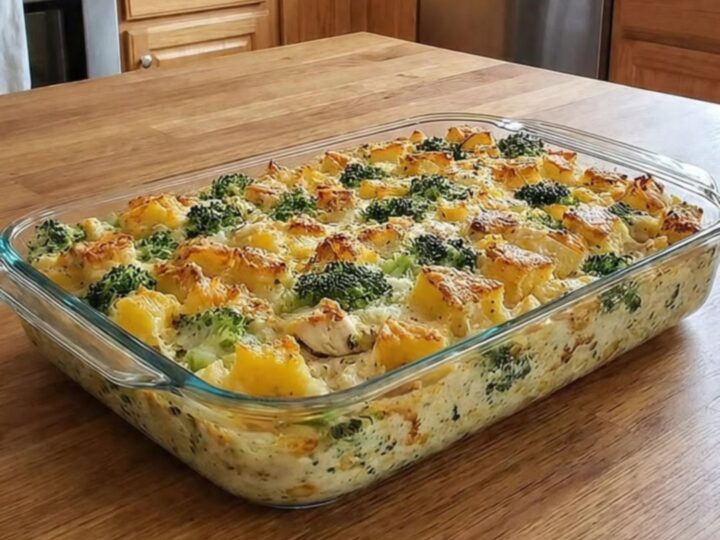
Creamy Baked Potato Chicken and Broccoli Casserole
- Prep
- Cook
- Total
- Serves
- 6
Discover the ultimate comfort food with this creamy, cheesy chicken and potato casserole. It is the perfect solution for busy weeknights when a hearty, satisfying meal is required. By combining fresh broccoli, tender chicken, and diced potatoes in a rich cream sauce, this dish delivers layers of flavor that the whole family will enjoy. Simple to prepare and even better to eat, this recipe is destined to become a staple in any home kitchen for years to come.
When the craving for something warm, filling, and comforting strikes, this baked potato chicken and broccoli casserole is the answer. It brings together classic ingredients into a single, cohesive dish that is as convenient as it is delicious. The potatoes provide a soft, earthy base, the chicken adds essential protein, and the broccoli offers a subtle freshness that balances the richness of the creamy cheddar sauce.
Baking everything together allows the flavors to meld beautifully, creating a golden, bubbling masterpiece that looks as good as it tastes. Whether hosting a casual dinner or simply looking for an easy meal, this casserole is designed to impress without requiring excessive effort or complex techniques.
Ingredients
Main
- 1.5 lb boneless skinless chicken breasts, cut into bite-sized pieces
- 3 cups diced potatoes, peeled and cut into 1-inch cubes
- 2 cups broccoli florets, chopped
Sauce
- 1.5 cups heavy cream
Topping
- 2 cups shredded cheddar cheese
Why this recipe works
The method of baking all ingredients together in one dish works because it allows the starch from the potatoes to naturally thicken the cream sauce as the casserole cooks. By cutting the chicken and potatoes into uniform sizes, the heat circulates evenly, ensuring the meat stays tender while the vegetables become perfectly fork-tender.
This one-pan approach minimizes cleanup and concentrates the flavors, resulting in a cohesive meal where every bite contains a perfect balance of protein, vegetables, and creamy, cheesy goodness.
Using a high-quality cheddar cheese ensures a rich, gooey topping that protects the ingredients underneath, keeping the chicken moist throughout the long baking time. The heavy cream provides a stable foundation for the sauce, preventing it from breaking during the extended stay in the oven.
This technique relies on the natural moisture released by the broccoli and potatoes to steam the contents gently, creating a luxurious texture that is difficult to achieve with other cooking methods. The final rest period is crucial for setting the sauce structure.
Notes and substitutions
For the best results, use russet or Yukon gold potatoes, as they hold their shape well during the baking process. If a thinner sauce is preferred, a small amount of chicken broth can be incorporated into the cream base. Ensure the chicken pieces are relatively small to guarantee they reach the safe internal temperature within the specified time frame. Fresh broccoli is highly recommended over frozen, as it maintains a better texture and does not release excess water into the dish, which could dilute the rich cream sauce.
The choice of baking dish can influence the cooking time; a glass dish generally retains heat longer, which can help achieve a beautiful golden crust on the cheese. If the cheese begins to brown too quickly before the center is cooked, loosely tent the dish with aluminum foil for the remainder of the baking time.
Always ensure the chicken is fully cooked through by using a meat thermometer inserted into the thickest piece. This dish is versatile, so feel free to adjust the ratios of potatoes to broccoli based on personal preference.
- heavy cream: half-and-half for a lighter sauce consistency
- cheddar cheese: monterey jack or colby jack for a milder flavor profile
Equipment
- 9x13 inch baking dish
- Large mixing bowl
- Chef knife
- Cutting board
- Measuring cups
- Spatula
Up next · Part 2 of 3
3 steps · 45 min of cooking · what to look for at each stage
Step-by-step instructions (Part 2)