Dinner · Part 2 of 3: Instructions
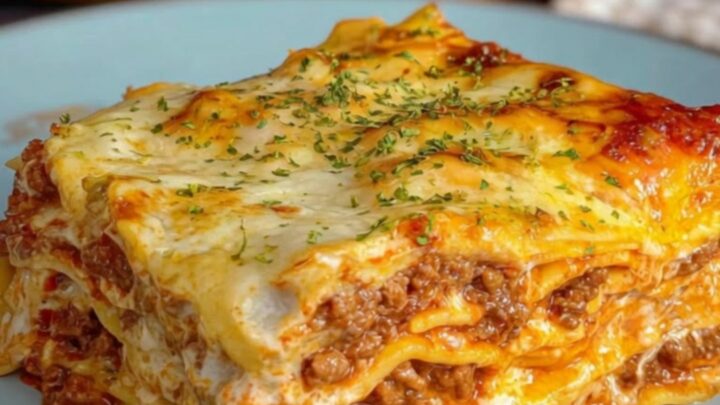
Creamy Alfredo Beef Lasagna: The Ultimate Comfort Food Step-by-step instructions
- Prep
- Cook
- Total
- Serves
- 8
Before you start
Before you begin assembling and cooking, gather all your ingredients and equipment to ensure a smooth, stress-free process. Pre-heat your oven to 375°F (190°C) and lightly grease a 9x13-inch baking dish with non-stick cooking spray.
Measure out your Alfredo sauce, shred the cheese, and finely chop the fresh parsley. Having these components ready to go, known as mise en place, will allow you to layer the lasagna quickly and efficiently once the ground beef is cooked.
Ingredients at a glance (5)
- 1 1/2 lb ground beef
- 3 cups Alfredo sauce, store-bought or made ahead
- 12 sheets oven-ready lasagna noodles
- 3 cups shredded cheese, divided
- 2 tbsp fresh parsley, finely chopped
Instructions
Searing and Seasoning the Beef
- Brown the Ground BeefHeat a large skillet over medium-high heat. Add the ground beef, breaking the meat apart with a wooden spoon. Cook the beef for about 8 to 10 minutes, stirring occasionally, until it is completely browned with no pink remaining. Ensure the ground beef reaches a safe internal temperature of 160°F (71°C) before removing the skillet from the heat.Look for The beef is fully browned and sizzles gently in the pan.Safe temperature 160°F (71°C) internal temperature (ground meat)Tip Drain any excess grease from the skillet to keep the lasagna from becoming oily.
The ground beef should be fully browned with no trace of pink remaining, reaching a safe internal temperature of 160°F (71°C). You will hear a steady, sizzling sound as the moisture evaporates, leaving behind deeply caramelized, savory bits of meat in the pan. The aroma of seasoned beef should fill your kitchen, indicating that the meat is perfectly prepared and ready to be layered into the lasagna.
Assembling the Creamy Layers
- Assemble the Initial LayersSpread a thin layer of Alfredo sauce, about one-half cup, over the bottom of your prepared 9x13-inch baking dish. Place three lasagna sheets side-by-side on top of the sauce. Evenly distribute one-third of the cooked ground beef over the pasta sheets, then drizzle with another half-cup of Alfredo sauce. Sprinkle one cup of shredded cheese over the sauce layer.Look for The layers are evenly distributed across the dish.Tip Do not overlap the oven-ready lasagna sheets too much, as they will expand during baking.
- Complete the Lasagna LayersRepeat the layering process two more times: lasagna sheets, cooked ground beef, Alfredo sauce, and shredded cheese. For the final layer, place the remaining three lasagna sheets on top. Pour the rest of the Alfredo sauce over the noodles, making sure they are fully covered, then sprinkle with the remaining shredded cheese.Look for The top is completely covered in a blanket of white cheese.Tip Ensure the top pasta sheets are fully coated in sauce so they cook through properly.
The baking dish should be neatly packed to the brim with alternating layers of velvety Alfredo sauce, tender pasta sheets, seasoned beef, and shredded cheese. The final top layer should be completely covered in a generous blanket of cheese, with no pasta sheets exposed. The uncooked lasagna will look clean, structured, and ready to transform into a bubbly, cohesive casserole in the oven.
Baking to Golden Perfection
- Bake and RestCover the baking dish tightly with aluminum foil and bake in the preheated oven at 375°F (190°C) for 25 minutes. Carefully remove the foil and bake uncovered for an additional 15 minutes, or turn on the broiler for the last 2 to 3 minutes to brown the cheese. Remove the lasagna from the oven, garnish with fresh parsley, and let it rest for 15 minutes before slicing and serving.Look for The top is golden-brown and bubbling vigorously.Tip Letting the lasagna rest is crucial for clean, structured slices.
The lasagna is fully baked when the sauce is bubbling vigorously around the edges of the dish and the cheese on top is completely melted, bubbly, and browned with golden-brown spots.
Inserting a knife into the center should feel effortless, confirming the pasta sheets are tender. Let the dish rest on a wire rack for fifteen minutes; the bubbling will subside, and the layers will set into a sliceable structure.
Common mistakes
One of the most common mistakes when making this lasagna is slicing it immediately after removing it from the oven. Because the Alfredo sauce and melted cheese are extremely hot, they need time to cool slightly and solidify.
Slicing too early will cause the layers to slide apart, turning your beautiful lasagna into a messy pool of sauce and pasta. Another mistake is using too much sauce between the layers, which can overwhelm the pasta sheets and make the dish soggy. Keep the layers balanced for the best structural integrity.
How to tell it’s done
To ensure the lasagna is perfectly cooked and safe to eat, the ground beef must reach a safe internal temperature of 160°F (71°C) during the initial browning phase.
When the assembled lasagna is baked, it is done when the internal temperature in the very center of the casserole reaches at least 165°F (74°C) on an instant-read thermometer. Visually, the top cheese layer must be deeply golden and bubbly, and the pasta sheets should be soft enough to be easily pierced with a fork.
- Ground meat: 160°F (71°C) in the thickest part
Up next · Part 3 of 3
2 variations · storage & make-ahead · 3 answers · printable card
Tips, FAQ & printable recipe (Part 3)← Back to the ingredients (Part 1)