Dinner · Part 2 of 3: Instructions
Creamy Alfredo Beef Lasagna for Easy Weeknight Dinners Step-by-step instructions
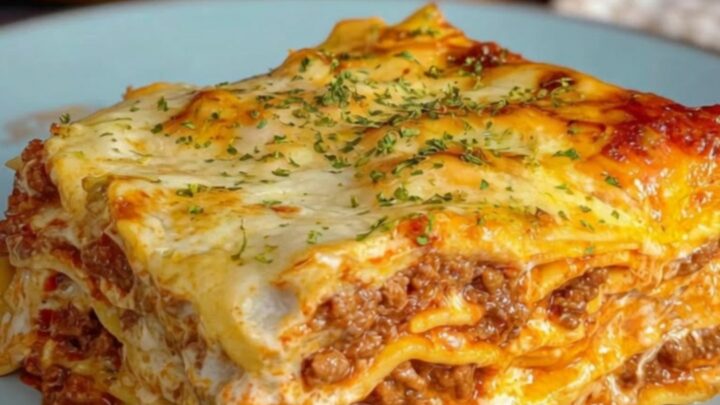
- Prep
- Cook
- Total
- Serves
- 8
Before you start
Before beginning the assembly, ensure the oven is preheated to 375°F (190°C). Prepare all ingredients by shredding the mozzarella cheese if it is not pre-shredded and measuring out the Alfredo sauce.
Keep the baking dish nearby for immediate assembly once the components are ready. Having everything organized in advance makes the layering process smooth and efficient, allowing for a stress-free cooking experience.
Ingredients at a glance (4)
- 1 lb ground beef
- 12 oz lasagna noodles
- 24 oz alfredo sauce
- 3 cups shredded mozzarella cheese
Instructions
Preparation of meat and pasta
- Prepare the componentsBoil the lasagna noodles in salted water according to the package directions until al dente, then drain. Meanwhile, brown the ground beef in a large skillet over medium-high heat until fully cooked through to at least 160°F (71°C). Drain any excess fat from the skillet once the meat is browned.Look for The beef should be browned and cooked through with no pink remaining.Safe temperature 160°F (71°C) internal temperature (ground meat)Tip Ensure the water is well-salted to give the pasta flavor from the start.
The ground beef should be browned to a deep color with no pink, and the noodles should be tender yet firm to the bite. Ensure the skillet is clear of excessive grease before moving to the assembly phase. The kitchen should smell savory and aromatic, indicating that the foundation of the dish is ready for the layering process.
Layering the lasagna
- Assemble the lasagnaSpread a thin layer of Alfredo sauce on the bottom of a 9x13 inch baking dish. Arrange a layer of noodles, followed by a portion of the browned ground beef, more sauce, and a generous sprinkle of mozzarella cheese. Repeat these layers until all ingredients are used, finishing with a final layer of cheese on top.Look for Create even layers that fill the dish to the top edge.Tip Press down gently on each layer to keep the lasagna compact and stable.
The baking dish should be filled with uniform layers. Check that the sauce is distributed evenly to cover the noodles completely, as this prevents them from drying out during the bake.
The final layer of cheese should cover the surface entirely, ensuring an even melt that results in a beautiful, golden crust once it comes out of the oven.
Baking to perfection
- Bake and serveCover the dish with aluminum foil and bake in a preheated oven at 375°F (190°C) for 30 minutes. Remove the foil and bake for an additional 15 minutes, or until the top is bubbly and golden brown. Let the lasagna rest for 10 minutes before slicing and serving to ensure clean, beautiful layers.Look for The cheese should be melted, bubbly, and golden on the surface.Tip Resting is essential for the structure of the lasagna.
The lasagna should be covered with foil for the first portion of the cooking time to maintain moisture. Once the foil is removed, the cheese will begin to brown and develop a crust. The final result should be a cohesive, bubbling dish that smells rich and creamy, with a firm structure that is ready for serving after a brief rest.
Common mistakes
A common mistake is failing to drain the ground beef properly, which can lead to a watery lasagna that does not hold its shape. Always brown the meat thoroughly and remove excess fat.
Another error is overcooking the noodles before baking; they should remain slightly firm to the bite, as the moisture from the sauce will soften them further during the baking process. Finally, skipping the resting period will cause the lasagna to fall apart when sliced, so patience is required.
How to tell it’s done
The lasagna is finished when the cheese is melted and bubbling across the entire surface, with a golden-brown hue in certain areas. The internal temperature of the dish should be hot throughout.
Because the meat was fully cooked before assembly, the main indicator of doneness is the texture of the pasta and the state of the cheese topping. Always allow the dish to rest for 10 minutes after removing it from the oven to let the layers set properly before slicing.
- Ground meat: 160°F (71°C) in the thickest part
Up next · Part 3 of 3
2 variations · storage & make-ahead · 3 answers · printable card
Tips, FAQ & printable recipe (Part 3)← Back to the ingredients (Part 1)