Desserts · Part 2 of 3: Instructions
Cranberry Orange Pistachio White Chocolate Cheesecake: A Festive No-Bake-Style Treat Step-by-step instructions
- Prep
- Cook
- Total
- Serves
- 12
Before you start
Before starting, bring the cream cheese, eggs, and any other cold ingredients to room temperature. This ensures a smooth batter without lumps. Prepare the springform pan by wrapping the outside with foil and lightly greasing the inside.
If using a crust, mix the crumbs, butter, and sugar and press into the bottom. Grate the white chocolate and chop the pistachios. Measure out the cranberry compote and set everything within reach. Preheat the oven to 325°F (163°C) and have a roasting pan ready for the water bath.
Ingredients at a glance (13)
- 32 oz cream cheese, softened
- 1 cup granulated sugar
- 3 large eggs, at room temperature
- 8 oz Belgian white chocolate, finely grated
- 1 tbsp fresh orange zest
- 1/4 cup fresh orange juice
- 1 tsp vanilla extract
- 1/4 tsp salt
- 1 cup cranberry compote or sauce
- 1/2 cup shelled pistachios, coarsely chopped
- 1/2 cup sugar cranberries (for topping)
- 1/4 cup white chocolate curls (for topping)
- 2 tbsp pistachio dust (finely ground pistachios)
Instructions
Preparation and Batter
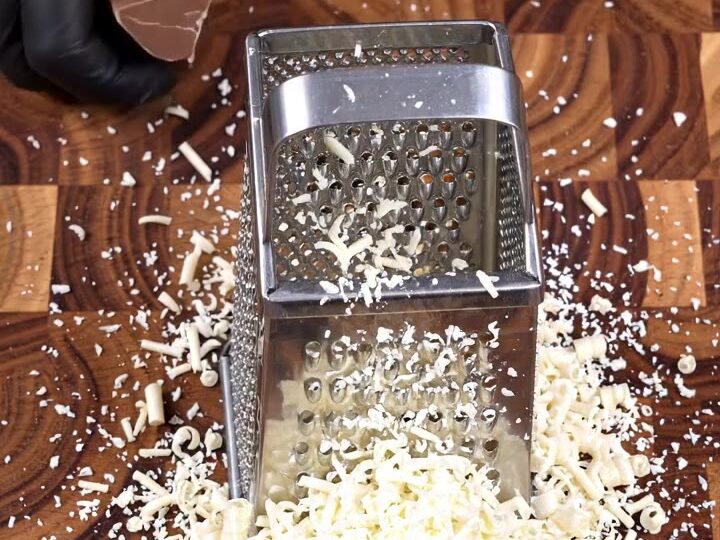
- Prepare the IngredientsSlice the navel oranges into thin wheels and set aside for garnish. Coarsely chop the shelled pistachios. Grate the white chocolate on a box grater into a bowl, making fine curls. Measure out the cranberry compote and set aside.Look for The orange wheels are thin and even; the pistachios are in coarse pieces; the chocolate curls are light and fluffy.Tip Chill the white chocolate before grating for cleaner curls.
- Make the Crust (if using)If you are using a crust, combine graham cracker crumbs, melted butter, and sugar, then press into the bottom of a springform pan. For a crustless cheesecake, line the pan with parchment paper.Look for The crust is evenly pressed and covers the bottom of the pan.Tip Use the bottom of a measuring cup to press the crust firmly and evenly.
- Preheat Oven and Prep PanPreheat the oven to 325°F (163°C). Wrap the outside of a 9-inch springform pan with foil to prevent water bath leaks, and lightly grease the inside.Look for The oven is hot and the pan is ready.Tip A water bath helps prevent cracking, but if skipping it, place a pan of water on the lower rack.
At the end of this phase, you should have a smooth, lump-free cream cheese mixture with the sugar fully dissolved. The grated white chocolate should be folded in evenly, and the cranberry compote should be ready for swirling.
The batter should be thick but pourable, with no streaks of cream cheese or chocolate. The pan should be prepared with the crust (if using) and the oven preheated to 325°F (163°C).
Swirling and Baking
- Beat Cream Cheese and SugarIn a large bowl, beat the softened cream cheese with an electric mixer until smooth. Gradually add the sugar and beat until creamy, scraping down the sides as needed.Look for The mixture is smooth and lump-free.Tip Make sure the cream cheese is truly softened for a silky texture.
- Add Eggs and FlavoringsAdd the eggs one at a time, beating well after each addition. Mix in the orange zest, orange juice, vanilla, and salt. Gently fold in the grated white chocolate until evenly distributed.Look for The batter is smooth and slightly thickened.Tip Do not overbeat after adding eggs to avoid incorporating too much air.
- Pour Batter and Add SwirlsPour the cheesecake batter into the prepared pan. Drop spoonfuls of cranberry compote over the surface, then use a knife or skewer to create swirls. Scatter the chopped pistachios over the top.Look for The batter is smooth with marbled cranberry ribbons and pistachio pieces.Tip Use a light hand when swirling to keep distinct ribbons.
After swirling, the batter should have distinct ribbons of cranberry compote, not completely mixed in. The pistachios should be scattered evenly. During baking, the cheesecake should puff slightly and the edges should set while the center remains slightly jiggly. The internal temperature should reach 160°F (71°C) when done. The surface should be lightly golden and not cracked.
Cooling, Chilling, and Decorating
- Bake the CheesecakePlace the springform pan in a larger roasting pan and add hot water to reach halfway up the sides. Bake at 325°F (163°C) for 60-70 minutes, until the edges are set and the center is slightly wobbly but not liquid. The internal temperature should reach 160°F (71°C) for food safety.Look for The cheesecake is set around the edges and the center has a slight jiggle.Safe temperature 160°F (71°C) internal temperature (egg dishes)Tip Do not open the oven door during baking to prevent cracking.
- Cool and ChillTurn off the oven and leave the cheesecake inside with the door ajar for 1 hour. Then remove from the water bath, cool completely on a wire rack, and refrigerate for at least 4 hours or overnight.Look for The cheesecake is fully cooled and firm to the touch.Tip Chilling overnight yields the best texture and flavor.
- Unmold and DecorateRun a knife around the edge of the cheesecake, release the springform, and transfer to a serving plate. Top with sugar cranberries, white chocolate curls, and a dusting of pistachio dust. Garnish with the orange wheels.Look for The cheesecake is smooth and the toppings are evenly distributed.Tip For clean slices, dip a knife in hot water and wipe dry before each cut.
The cheesecake should be fully cooled to room temperature before refrigerating. After chilling, it should be firm and hold its shape when sliced. The toppings—sugar cranberries, chocolate curls, and pistachio dust—should be evenly distributed and adhere to the surface. The orange wheels should be placed decoratively. The final cheesecake should look elegant and inviting, with a clean, smooth top.
Common mistakes
One common mistake is overmixing the batter, which incorporates too much air and can cause cracks. Mix just until each ingredient is incorporated. Another pitfall is not using a water bath, which can lead to uneven baking and cracking.
If the cheesecake cracks, it can be covered with the toppings, but it's best to prevent it. Also, avoid opening the oven door during baking, as sudden temperature changes can cause the cheesecake to collapse. Finally, be patient with chilling—rushing this step can result in a soft, messy cheesecake.
How to tell it’s done
The cheesecake is done when the edges are set and the center is slightly wobbly but not liquid. It should have a slight jiggle in the center when gently shaken, but the surface should not ripple like liquid.
An instant-read thermometer inserted into the center should read 160°F (71°C) for food safety. The cheesecake will continue to set as it cools and chills, so it's better to underbake slightly than overbake. After chilling, the cheesecake should be firm to the touch and slice cleanly.
- Egg dishes: 160°F (71°C) in the thickest part
Up next · Part 3 of 3
4 variations · storage & make-ahead · 5 answers · printable card
Tips, FAQ & printable recipe (Part 3)← Back to the ingredients (Part 1)