Desserts · Part 2 of 3: Instructions
Coconut Lemon White Chocolate Butter Cookies: Crispy, Gooey, Zesty Step-by-step instructions
- Prep
- Cook
- Total
- Serves
- 24
Before you start
Before starting, measure all ingredients and bring the butter and eggs to room temperature. Zest the lemons and set aside. Line two baking sheets with parchment paper so they are ready when the dough has chilled. Clear space in the refrigerator for the dough, and have a cookie scoop or two spoons on hand for portioning.
Ingredients at a glance (11)
- 1 cup unsalted butter, softened
- 1 cup granulated sugar
- 2 large eggs
- 1 tsp grape molasses
- 2 lemons, zested
- 3 tbsp cornstarch
- 1 cup shredded coconut
- 1 cup white chocolate chunks
- 1 tsp vanilla extract
- 1 tsp baking powder
- 3 cups all-purpose flour
Instructions
Make the Dough
- Cream Butter and SugarIn a large mixing bowl, beat the softened butter and granulated sugar together with an electric mixer on medium speed until light and fluffy, about 2 to 3 minutes. Scrape down the sides of the bowl as needed.Look for The mixture should be pale yellow and airy, with no visible lumps of butter.Tip Make sure the butter is truly softened to room temperature for the best creaming result.
- Add Eggs and FlavoringsBeat in the eggs one at a time, mixing well after each addition. Add the grape molasses, lemon zest, and vanilla extract, and beat until fully combined.Look for The mixture should look glossy and well blended, with the lemon zest evenly distributed.Tip Zest the lemons before juicing them, and avoid the white pith for a cleaner citrus flavor.
- Mix Dry IngredientsIn a separate bowl, whisk together the flour, cornstarch, and baking powder. Gradually add the dry mixture to the wet ingredients, mixing on low speed until just combined. The dough will be thick and sticky.Look for The dough should come together into a cohesive mass, but still be slightly tacky.Tip Do not overmix once the flour is added, or the cookies will become tough.
- Fold in Coconut and ChocolateGently fold in the shredded coconut and white chocolate chunks with a spatula until evenly distributed throughout the dough.Look for The coconut and chocolate should be evenly dispersed without streaks of flour.Tip Reserve a few chocolate chunks to press onto the tops of the cookies before baking for a prettier finish.
- Chill the DoughCover the bowl with plastic wrap and refrigerate the dough for at least 1 hour, or up to 24 hours. Chilling solidifies the butter and deepens the flavors.Look for The dough should be firm enough to scoop without sticking excessively to your hands.Tip Chilling is essential to prevent spreading and to achieve a chewy center.
After mixing, the dough should be thick, sticky, and fragrant with lemon and vanilla. The butter and sugar mixture will be pale and fluffy, and the dry ingredients should be fully incorporated with no streaks of flour.
The dough should hold together when pressed, and the coconut and white chocolate should be evenly distributed. Chilling for at least an hour will firm it up enough to scoop.
Bake the Cookies
- Preheat Oven and Prep Baking SheetsPreheat the oven to 350°F (175°C). Line two baking sheets with parchment paper.Look for The oven should be fully preheated before baking.Tip Using parchment paper prevents sticking and makes cleanup easier.
- Scoop Dough onto SheetsUsing a cookie scoop or two spoons, drop generous mounds of dough (about 2 tablespoons each) onto the prepared baking sheets, spacing them about 2 inches apart.Look for The dough balls should be uniform in size for even baking.Tip For perfectly round cookies, roll the dough balls between your palms.
- Bake the CookiesBake in the preheated oven for 16 minutes, or until the edges are golden amber and the centers look slightly underdone. The tops should be lightly browned but still soft to the touch.Look for The edges will be set and golden, while the centers remain pale and puffy.Safe temperature 160°F (71°C) internal temperature (egg dishes)Tip Do not overbake; the cookies will continue to set as they cool on the baking sheet.
- Cool on Baking SheetsRemove the baking sheets from the oven and let the cookies cool on the sheets for 5 minutes. The centers will settle and become chewy.Look for The cookies should be firm enough to transfer without breaking.Tip Cooling on the hot sheet helps the centers finish setting gently.
As the cookies bake, the kitchen will fill with the aroma of butter, lemon, and toasted coconut. The edges will turn golden amber while the centers remain pale and puffy.
The cookies should be slightly soft to the touch but not raw. They will look set around the edges and slightly glossy in the middle. Let them cool on the baking sheet for 5 minutes before moving them to a rack.
Cool and Serve
- Transfer to Wire RackUse a spatula to transfer the cookies to a wire rack to cool completely. The cookies will crisp up as they cool.Look for The cookies should be completely cool before storing.Tip Cooling on a rack allows air to circulate, keeping the bottoms crisp.
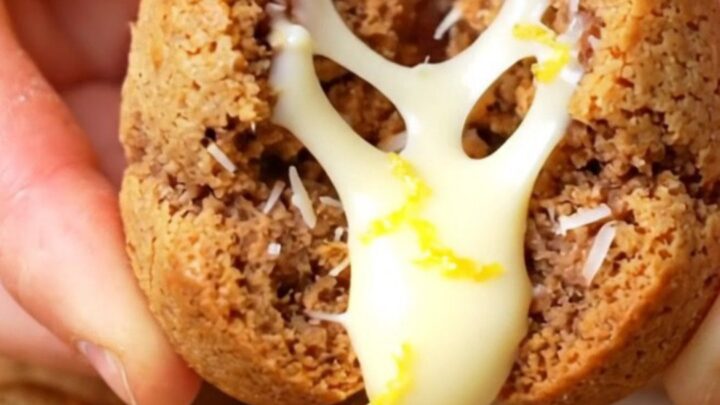
After cooling on the wire rack, the cookies should be crisp around the edges and chewy in the center. The white chocolate will be set but still soft, and the lemon zest will provide a bright finish. The cookies should hold their shape and not crumble when picked up. They are ready to serve or store once fully cooled.
Common mistakes
Overmixing the dough after adding the flour can develop too much gluten, making the cookies tough and dense. Skipping the chilling step leads to flat, spread-out cookies with a less chewy texture.
Baking at too high a temperature or for too long will dry out the centers, while underbaking may leave the cookies raw in the middle. Using cold butter can result in a lumpy dough that does not cream properly, so let it soften fully before starting.
How to tell it’s done
The cookies are done when the edges are golden amber and the centers look slightly underdone, puffy, and pale. The internal temperature of the cookies should reach at least 160°F (71°C) to ensure the eggs are fully cooked.
They will continue to set as they cool on the baking sheet, so resist the urge to bake longer. The tops should spring back lightly when touched, and a toothpick inserted into the center should come out with a few moist crumbs.
- Egg dishes: 160°F (71°C) in the thickest part
Up next · Part 3 of 3
4 variations · storage & make-ahead · 5 answers · printable card
Tips, FAQ & printable recipe (Part 3)← Back to the ingredients (Part 1)