Dinner · Part 2 of 3: Instructions
Creamy Spanish Tortilla with Confit Potatoes Step-by-step instructions
- Prep
- Cook
- Total
- Serves
- 6
Before you start
Before starting, gather all ingredients and equipment. Slice the potatoes and onions thinly and uniformly, using a mandoline if available. Have a colander set over a bowl ready for draining the oil.
Lightly beat the eggs in a large bowl and season with salt. Ensure the skillet and plate for flipping are within reach. The entire process moves quickly once the confit is done, so having everything prepped will make it smooth.
Ingredients at a glance (7)
- 1 1/2 lb Yukon Gold potatoes, thinly sliced
- 2 medium yellow onions, thinly sliced
- 1 cup extra-virgin olive oil
- 6 large eggs
- 1 tsp kosher salt
- 1/2 cup saffron garlic alioli, for serving
- 2 tbsp chopped fresh parsley, for garnish
Instructions
Confiting the Potatoes and Onions
- Confiting the Potatoes and OnionsIn a large skillet, heat the olive oil over medium-low heat until it reaches 275°F (135°C). Add the sliced potatoes and onions, ensuring they are submerged in the oil. Cook gently for 25 minutes, stirring occasionally, until the potatoes are meltingly tender but not browned. The oil should barely bubble; adjust the heat to maintain a gentle confit.Look for Potatoes are fork-tender and translucent, onions are soft and sweet, and the oil is calm.Tip Keep the oil at a low temperature to avoid browning; the goal is gentle cooking.
- Draining the ConfitCarefully pour the potato-onion mixture into a colander set over a bowl to drain the olive oil. Reserve the drained oil for another use, such as sautéing or roasting. Let the potatoes and onions cool slightly while you prepare the eggs.Look for The mixture is well-drained and slightly cooled, with no excess oil pooling.Tip Do not press on the potatoes; let them drain naturally to keep their structure.
After 25 minutes, the potatoes should be fork-tender and translucent, and the onions soft and sweet. The oil will be clear and the vegetables will have released some moisture. Drain them well; they should be moist but not dripping. The aroma will be rich and nutty, with no browning. This is the foundation of the tortilla's creamy interior.
Folding and Cooking the Tortilla
- Folding into Beaten EggsIn a large bowl, lightly beat the eggs with the salt until just combined. Gently fold the drained potatoes and onions into the eggs, ensuring every slice is coated. Let the mixture sit for 5 minutes so the eggs absorb the flavors.Look for The egg mixture is homogeneous, with potatoes and onions evenly distributed.Tip Do not overmix; a gentle folding motion keeps the potatoes intact.
- Heating the SkilletPlace a clean 20cm nonstick skillet over medium-high heat. Add a small amount of the reserved olive oil or a neutral oil to coat the bottom. Heat until the oil shimmers and a drop of water sizzles immediately, about 360°F (182°C).Look for The oil is shimmering and nearly smoking, indicating a hot pan.Tip A properly heated skillet ensures a golden crust without sticking.
- Cooking the First SidePour the egg-potato mixture into the hot skillet, spreading it evenly. Reduce the heat to medium and cook undisturbed for 3 minutes, until the bottom is golden brown and the edges are set. The top should still look moist and slightly creamy.Look for The bottom is deeply golden and the edges are set, while the center remains glossy.Safe temperature 160°F (71°C) internal temperature (egg dishes)Tip Resist the urge to stir; let the crust form for a clean flip.
- Flipping the TortillaPlace a large plate over the skillet and carefully invert the tortilla onto the plate, then slide it back into the skillet, cooked side up. Cook for 2 minutes more, until the second side is golden brown and the center is just set but still creamy.Look for The tortilla releases easily and the second side is golden with a tender center.Safe temperature 160°F (71°C) internal temperature (egg dishes)Tip Use a plate that fits comfortably over the skillet to avoid spills.
The egg mixture should be uniform, with potatoes and onions evenly distributed. When poured into the hot skillet, it should sizzle immediately and start setting at the edges.
After 3 minutes, the bottom should be golden and the top glossy. After flipping, the second side should cook for 2 minutes until golden and the center is just set. The kitchen will smell of eggs and olive oil.
Resting and Serving
- Resting the TortillaSlide the tortilla onto a cutting board and let it rest for at least 5 minutes. This allows the eggs to finish setting and makes slicing easier. The center will continue to cook slightly as it rests.Look for The tortilla is firm to the touch but yields gently, with no liquid egg running out.Tip Resting is essential for a clean slice and a moist, creamy interior.
- Serving with Alioli and ParsleySlice the tortilla into wedges and serve warm or at room temperature. Top each wedge with a dollop of saffron garlic alioli and a sprinkle of chopped parsley. Serve immediately.Look for The tortilla slices cleanly and the alioli adds a rich, garlicky finish.Tip Room-temperature tortilla is traditional; it also makes great leftovers.
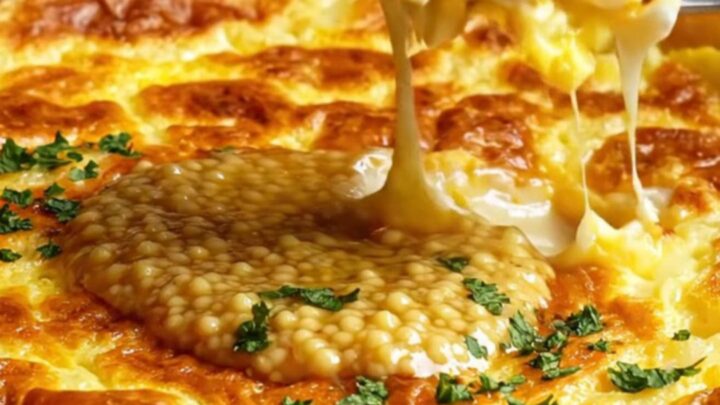
After resting, the tortilla should be firm enough to slice but still moist in the center. The top will be a deep golden brown, and the interior will have a creamy, custard-like texture. When topped with alioli and parsley, it looks inviting and ready to serve. The tortilla can be served warm or at room temperature, and the flavors will have melded beautifully.
Common mistakes
One common mistake is cooking the potatoes at too high a temperature, causing them to brown before becoming tender. Keep the oil at a gentle simmer, not a boil. Another is overmixing the eggs, which can make the tortilla tough; fold gently.
Flipping too early can cause the tortilla to break; ensure the first side is well set and golden. Finally, do not skip the resting period—it is crucial for the texture and makes slicing much easier.
How to tell it’s done
The tortilla is done when both sides are deeply golden brown and the center is just set but still moist and creamy. When you press gently on the top, it should feel firm but with a slight give.
To check doneness, insert a thin knife into the center; it should come out clean or with just a trace of moist egg. The internal temperature should reach 160°F (71°C) for food safety, but the texture should remain creamy, not dry. Resting for 5 minutes allows the residual heat to finish the cooking.
- Egg dishes: 160°F (71°C) in the thickest part
Up next · Part 3 of 3
4 variations · storage & make-ahead · 5 answers · printable card
Tips, FAQ & printable recipe (Part 3)← Back to the ingredients (Part 1)