Desserts · Part 3 of 3: Tips & recipe card
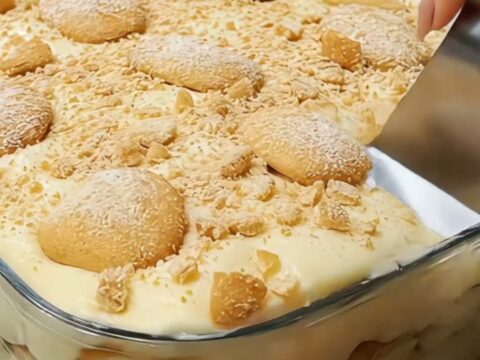
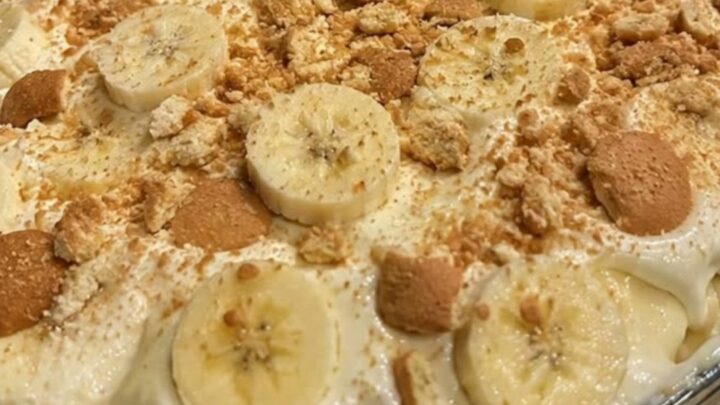
Classic Southern Banana Pudding with Vanilla Wafers Tips, FAQ & printable recipe
- Prep
- Cook
- Total
- Serves
- 8
Tips for success
To prevent the banana slices from browning, toss them lightly in a small amount of lemon juice before layering. This acidity does not significantly change the flavor but preserves the bright, fresh appearance of the fruit.
Additionally, consider reserving some of the crushed vanilla wafers to sprinkle on immediately before serving to maintain an extra bit of crunch on top.
If a thicker custard is desired, ensure it is cooked slowly over medium-low heat while stirring constantly. This technique prevents the eggs from scrambling and ensures a smooth, velvety texture.
Using a whisk during the cooking process helps to keep the custard free of lumps, which is essential for a high-quality finished pudding that feels luxurious on the tongue.
Variations
- Chocolate Banana Pudding: Incorporate a layer of chocolate shavings or a drizzle of chocolate ganache between the custard and banana layers for a decadent twist on the classic recipe.
- Spiced Banana Pudding: Add a pinch of ground cinnamon or nutmeg to the custard while it cooks to introduce a warm, spiced note that complements the sweetness of the bananas.
Storage and make-ahead
- Fridge
- Keep refrigerated at or below 40°F (4°C) for up to 2 days.
Store the pudding in the refrigerator, covered tightly with plastic wrap or a lid to prevent it from absorbing other flavors and to keep the banana slices from drying out. The pudding is best consumed within two days to maintain the optimal texture of the wafers and the freshness of the bananas.
This dish is an excellent make-ahead dessert, as the flavors improve significantly after sitting for a few hours. Assemble it up to one day in advance, but add the final garnish of crushed wafers just before serving to ensure they stay crisp. Keep it refrigerated until the moment it is brought to the table for the best quality.
Serving ideas
Serve the pudding chilled, directly from the refrigerator, using a large serving spoon to scoop through all the layers.
It pairs beautifully with a dollop of freshly whipped cream or a dusting of cinnamon if desired, though it is traditionally enjoyed on its own to highlight the balance of the custard, bananas, and vanilla wafers.
When plating, try to capture a bit of each layer in every portion. The contrast between the soft, custard-soaked cookies and the fresh banana slices is the hallmark of this dish.
If the pudding is being served at a gathering, placing the dish in a larger bowl filled with ice can help keep it cool throughout the duration of the event.
Frequently asked questions
Can this be made ahead of time?
Why is it important to use a glass dish?
Can other fruits be used instead of bananas?
Classic Southern Banana Pudding with Vanilla Wafers
Ingredients
- 4 large bananas, sliced
- 12 oz vanilla wafers
- 3 cups vanilla custard, prepared or store-bought
Instructions
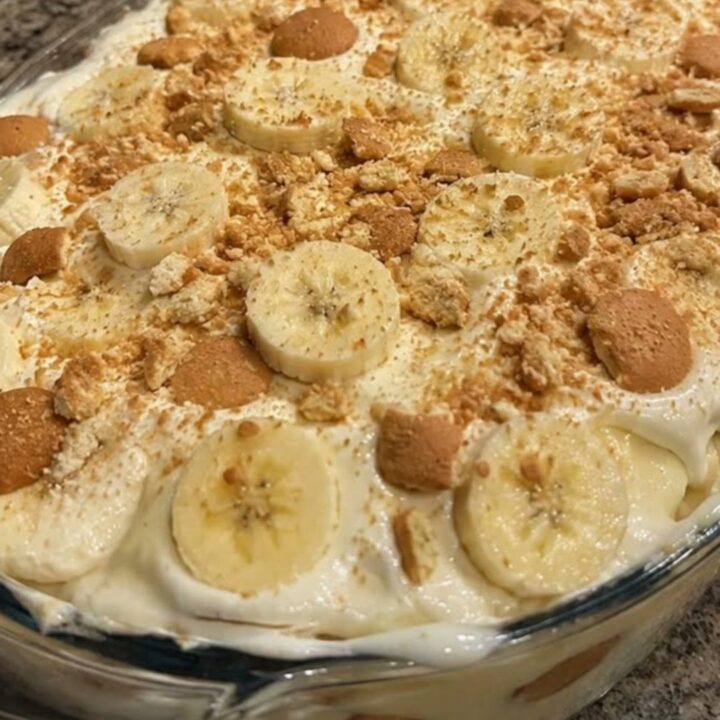
- Begin by lining the bottom of the glass casserole dish with a generous layer of vanilla wafers. Ensure the bottom is covered completely to create a stable foundation for the pudding layers.
- Arrange a layer of sliced bananas over the vanilla wafers. Pour a portion of the vanilla custard over the bananas, spreading it gently with a spatula to cover the fruit and cookies evenly. Repeat these layering steps until all ingredients are used, finishing with a final layer of custard.
- Sprinkle the remaining crushed vanilla wafers over the top of the custard. Garnish with a few fresh banana rounds. Place the dish in the refrigerator to allow the custard to reach 160°F (71°C) as it sets, which also ensures the eggs in the custard are fully stabilized. Chill for at least two hours before serving.
Estimated nutrition per serving
- Calories
- 350
- Protein
- 5 g
- Carbohydrates
- 55 g
- Fat
- 12 g
- Fiber
- 1.5 g
- Sugar
- 35 g
- Sodium
- 200 mg
Next recipe
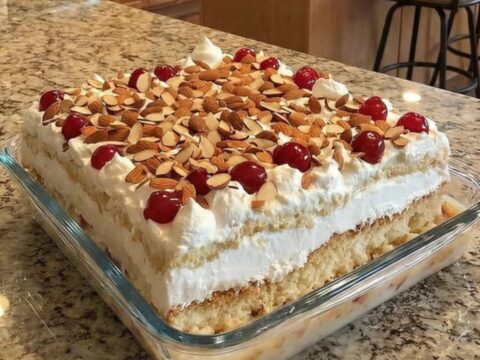
Heaven on Earth Cake: An Easy No-Bake Layered Dessert
See the recipe → →This recipe is based on a short cooking video and is published under the pen name Clara Weller. It was checked before publication, but errors can slip through. Nutrition, when shown, is an estimate. Read more in our editorial policy and on our food safety page.
More recipes to try
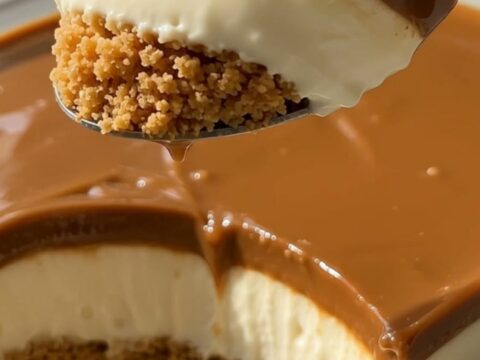
Creamy Caramel Cheesecake with Graham Cracker Crust
Total time: 4 h 20 min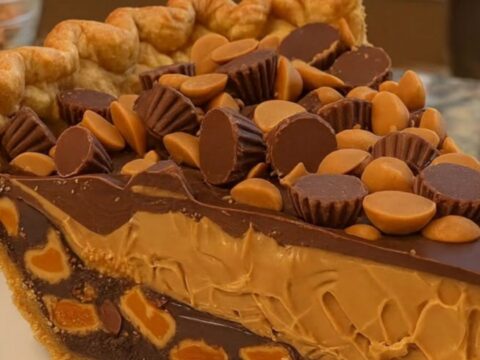
Giant Peanut Butter Pie with Chocolate Ganache
Total time: 3 h 30 min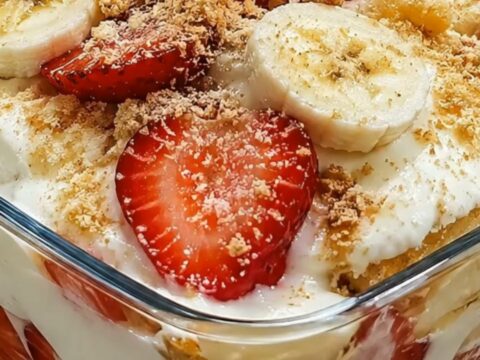
Creamy Strawberry Banana Pudding with Vanilla Wafers
Total time: 2 h 15 min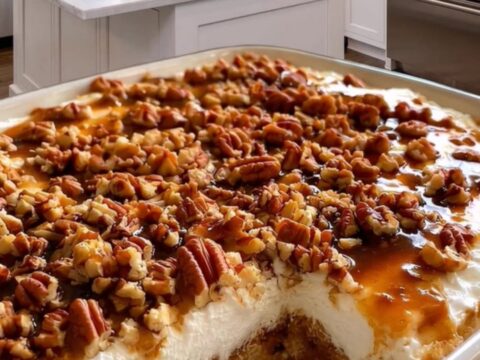
Easy Pecan Caramel Poke Cake
Total time: 45 min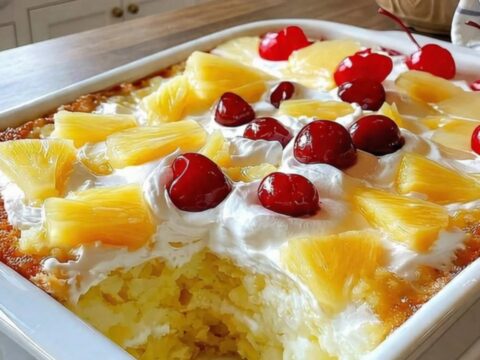
Easy Pineapple Paradise Cake with Whipped Topping
Total time: 45 min