Dinner · Part 3 of 3: Tips & recipe card
Classic Old Fashioned Vegetable Beef Soup for Cozy Nights Tips, FAQ & printable recipe

- Prep
- Cook
- Total
- Serves
- 6
Tips for success
For a more robust flavor, consider searing the beef until it is quite dark before adding the liquid. This adds depth and complexity to the broth. If the soup seems too thick, simply add an extra cup of beef broth or water to reach the desired consistency.
If you prefer a thicker soup, you can mash a few of the cooked potato chunks against the side of the pot.
The released starch will naturally thicken the broth without the need for flour or cornstarch. This is a simple trick to adjust the body of the soup at the very end.
Variations
- Spicy Vegetable Beef Soup: Add a teaspoon of red pepper flakes or a dash of hot sauce during the browning phase for a pleasant kick. This variation brings a subtle heat that complements the savory beef and sweet vegetables perfectly.
- Herb-Infused Soup: Stir in a tablespoon of dried thyme or rosemary during the simmering phase. These aromatic herbs enhance the earthy flavors of the potatoes and carrots, giving the soup a classic, rustic taste that feels truly homemade.
Storage and make-ahead
- Fridge
- Store in an airtight container in the refrigerator for up to 3 to 4 days. Cool for no more than 2 hours before refrigerating.
- Freezer
- Freeze in freezer-safe containers for up to 2 months. Thaw overnight in the refrigerator before reheating on the stovetop.
- Reheat
- Reheat on the stovetop over medium heat, stirring occasionally until the soup is simmering and heated through to 165°F (74°C).
Allow the soup to cool to room temperature, but do not leave it out for more than two hours. Once cooled, transfer the soup into an airtight container and place it in the refrigerator.
It will stay fresh for up to three to four days. Reheat individual portions on the stove or in the microwave until steaming hot.
This soup is an excellent candidate for making ahead, as the flavors often deepen and improve after sitting in the refrigerator overnight.
Prepare the entire recipe as directed, let it cool completely, and store it in the fridge. When ready to serve, simply reheat it slowly on the stovetop, adding a splash of broth if necessary.
Serving ideas
Serve this soup hot in deep ceramic bowls to keep it warm for longer. A side of crusty, buttered sourdough bread or a simple garden salad makes for a perfect accompaniment. The soup is substantial enough to stand alone as a main course for a casual dinner.
Garnish with a sprinkle of fresh herbs like parsley or chives if desired to add a touch of color and brightness to the bowl.
The warmth of the soup makes it particularly inviting on cold days, so ensure the bowls are warmed before ladling in the soup for an extra touch of comfort.
Frequently asked questions
Can this soup be made ahead of time?
What is the best way to reheat leftovers?
Can this soup be frozen?
Classic Old Fashioned Vegetable Beef Soup for Cozy Nights

Ingredients
- 1 lb ground beef
- 3 cups potatoes, cubed
- 2 cups carrots, sliced into coins
- 1 cup peas
- 1 cup green beans, chopped
- 1 cup corn
- 6 cups beef broth
Instructions
- Place a large dutch oven over medium-high heat. Add the ground beef and cook, breaking it apart with a spoon until it is fully browned and no longer pink. Ensure the internal temperature reaches 160°F (71°C). Drain any excess fat if desired.
- Add the cubed potatoes, sliced carrots, green beans, peas, and corn to the pot with the browned beef. Pour in the beef broth. Bring the mixture to a gentle boil, then reduce the heat to low and cover. Simmer for 30 to 35 minutes until the vegetables are tender.
- Remove the pot from the heat and let the soup rest for 5 minutes before serving. Ladle the hot soup into bowls and serve immediately. Ensure the soup remains hot until service.
Estimated nutrition per serving
- Calories
- 350
- Protein
- 22 g
- Carbohydrates
- 35 g
- Fat
- 12 g
Next recipe

Easy Cheesy Bacon Ranch Chicken Casserole
See the recipe → →This recipe is based on a short cooking video and is published under the pen name Clara Weller. It was checked before publication, but errors can slip through. Nutrition, when shown, is an estimate. Read more in our editorial policy and on our food safety page.
More recipes to try
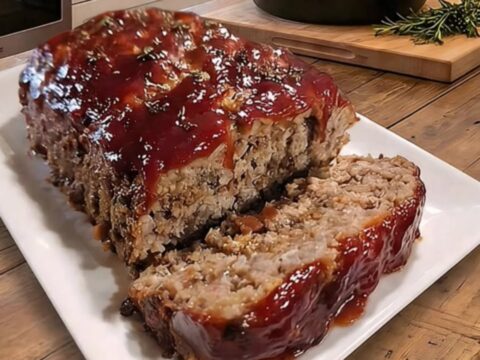
Classic Glazed Meatloaf for a Hearty Dinner
Total time: 1 h 30 min
Creamy Beef Stroganoff Bake for Ultimate Comfort
Total time: 50 min
Cheesy Bacon and Mushroom Meatloaf with Garlic Butter
Total time: 1 h 30 min
Easy Cheesy Cheeseburger Pie for Weeknight Comfort
Total time: 1 h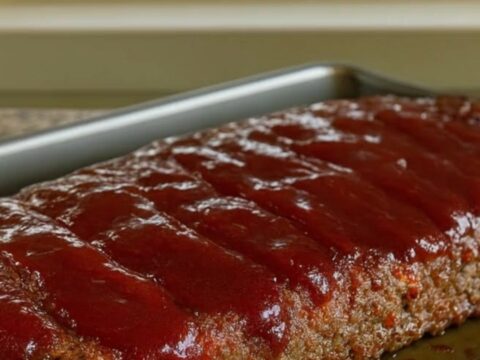
Sweet and Smoky Honey BBQ Meatloaf
Total time: 1 h 30 min