Dinner · Part 2 of 3: Instructions
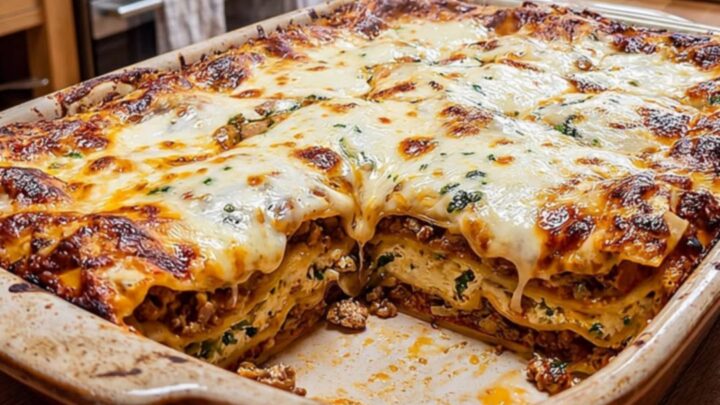
Classic Hearty Lasagna with Ricotta and Beef Step-by-step instructions
- Prep
- Cook
- Total
- Serves
- 8
Before you start
Before beginning the assembly, ensure you have all your ingredients measured and ready. Boil the lasagna noodles until al dente, drain them, and lay them flat on a piece of parchment paper to prevent them from sticking together.
Preheating your oven is essential for even cooking, so turn it on well in advance. Having a clean workspace and your casserole dish ready will make the layering process smooth and efficient, preventing any unnecessary stress as you build the layers.
Ingredients at a glance (6)
- 1 lb ground beef
- 24 oz marinara sauce
- 15 oz ricotta cheese
- 1/4 cup fresh parsley, chopped
- 12 sheets lasagna noodles, boiled
- 3 cups mozzarella cheese, shredded
Instructions
Sauce Preparation
- Prepare the SaucesIn a large skillet over medium-high heat, brown the ground beef thoroughly until no longer pink. Drain excess fat if necessary. Stir in the marinara sauce and simmer for 5-10 minutes to allow flavors to meld. In a separate bowl, combine the ricotta cheese with chopped fresh parsley until well incorporated.Look for The beef should be fully browned and the marinara sauce should be simmering and fragrant.Safe temperature 160°F (71°C) internal temperature (ground meat)Tip Ensure the beef is broken into small pieces for a consistent texture throughout every layer.
The sauce is ready when the ground beef is fully browned and the marinara has thickened into a rich, savory mixture. It should smell aromatic and deep, with the flavors of the meat and tomatoes integrated perfectly. Check for consistency; it should be thick enough to coat the back of a spoon without running off immediately.
Layering the Dish
- Assemble the LasagnaPreheat the oven to 375°F (190°C). Spread a thin layer of the meat sauce on the bottom of a 9x13 inch casserole dish. Layer with cooked lasagna noodles, followed by a layer of the parsley ricotta mixture, more meat sauce, and a sprinkle of mozzarella. Repeat these layers until all ingredients are used, finishing with a generous layer of mozzarella cheese on top.Look for Create even, flat layers to ensure the lasagna maintains its structure once sliced.Tip Covering the dish with foil for the first 20 minutes of baking helps prevent the cheese from browning too quickly.
As you assemble, the layers should be uniform and flat. Ensure that the ricotta mixture is spread evenly across the noodles for consistent flavor.
The dish should look visually appealing, with clear distinctions between the meat, pasta, and cheese layers, ready to be transformed by the heat of the oven into a cohesive, bubbling meal.
Baking and Resting
- Bake and ServeBake the assembled lasagna in the preheated oven for 30-40 minutes, or until the cheese is melted and bubbling at the edges. Remove from the oven and let it rest for at least 15 minutes before slicing. This resting period is critical for the layers to set properly, ensuring clean, beautiful slices that hold their shape.Look for The top should be golden brown and the edges bubbling with the savory tomato sauce.Tip Use a sharp, sturdy spatula to lift the slices, ensuring you reach the bottom of the dish.
The lasagna is finished when the top is beautifully browned and the bubbling sauce indicates the interior is hot. The resting phase is vital; during this time, the heat distributes evenly and the cheese and sauce firm up. When it looks stable and smells irresistible, it is ready to be sliced and served to your guests.
Common mistakes
A common mistake is failing to let the lasagna rest after baking. If you cut into it immediately, the layers will slide apart, resulting in a messy presentation. Another error is over-saucing the layers, which can lead to a soggy consistency.
Ensure each layer of sauce is applied sparingly but evenly, and always remember to drain the ground beef well to remove excess grease that could make the final dish heavy or oily on the palate.
How to tell it’s done
The lasagna is perfectly done when the sauce is bubbling vigorously around the edges of the casserole dish and the top layer of cheese is golden brown and fully melted.
The internal temperature should be consistent throughout, reaching at least 160°F (71°C) at the center. The noodles should be tender but not mushy, and the structure should feel firm when you gently press the surface with a spatula before the final resting period.
- Ground meat: 160°F (71°C) in the thickest part
Up next · Part 3 of 3
2 variations · storage & make-ahead · 3 answers · printable card
Tips, FAQ & printable recipe (Part 3)← Back to the ingredients (Part 1)