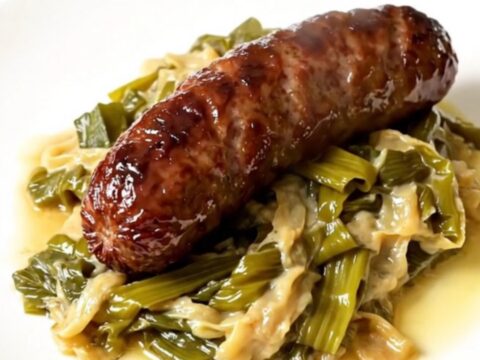
Dinner · Part 3 of 3: Tips & recipe card
Classic French Potée Morvandelle Slow Cooker Stew Tips, FAQ & printable recipe
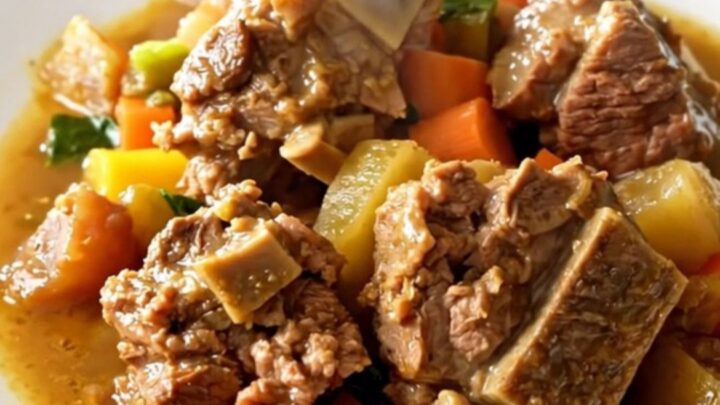
- Prep
- Cook
- Total
- Serves
- 4
Tips for success
For a deeper flavor profile, you can sear the pork belly in a hot pan before adding it to the slow cooker, though this is not strictly necessary for the recipe.
If you choose to do so, ensure the pan is wiped clean after searing to avoid any burnt bits affecting the final taste of the stew.
Adjust the amount of water based on your preference for a thicker or thinner broth.
If you prefer a more concentrated stew, start with slightly less water and add more only if the ingredients seem dry after the first two hours of cooking. This allows you to control the final consistency of the dish.
Variations
- Root Vegetable Variation: Replace the carrots with parsnips or turnips for a more traditional earthy flavor that pairs exceptionally well with the smokiness of the sausages.
- Herbed Potée: Add a sprig of fresh thyme or a bay leaf during the cooking process to infuse the broth with classic French herbaceous notes.
Storage and make-ahead
- Fridge
- Keep refrigerated in an airtight container for up to 3 days.
- Freezer
- Freeze in a freezer-safe container for up to 2 months. Thaw in the refrigerator overnight before reheating.
- Reheat
- Reheat on the stovetop over medium-low heat, stirring occasionally, until hot throughout.
Store any leftovers in an airtight container in the refrigerator for up to three days. Ensure the stew has cooled to room temperature for no more than two hours before placing it in the fridge to maintain food safety.
If you have a large batch, portion it into smaller containers to help it cool more rapidly and make reheating individual servings much easier.
This dish is excellent for making ahead, as the flavors often deepen and improve after sitting in the refrigerator overnight. Prepare the stew as directed, allow it to cool completely, and then store it in the refrigerator.
When you are ready to eat, simply reheat it gently on the stovetop or in the microwave until it is heated through, adding a splash of water if the sauce has become too thick.
Serving ideas
Serve this rustic stew in wide, shallow bowls to showcase the beautiful colors of the cabbage and carrots alongside the hearty pork. A side of crusty country-style bread is the perfect accompaniment, as it is ideal for soaking up the savory broth at the bottom of the bowl.
Consider serving the dish with a touch of fresh parsley or a dash of black pepper if desired. Because this is a complete meal with protein and vegetables, it requires very little else to be satisfying, making it an excellent choice for a simple yet impressive dinner for family or guests.
Frequently asked questions
Can this be made ahead of time?
Why does the cabbage get mushy?
Is it necessary to brown the meat first?
Classic French Potée Morvandelle Slow Cooker Stew

Ingredients
- 1 lb pork belly, cut into chunks
- 4 smoked sausages
- 1 head cabbage, cut into wedges
- 4 large carrots, sliced
- 1 bouillon cube, crumbled
- 2 cups water
Instructions
- Place the pork belly chunks and the smoked sausages into the bottom of the slow cooker. Ensure they are distributed evenly to allow for uniform cooking during the long simmering process.
- Layer the cabbage wedges and sliced carrots on top of the meat. Crumble the bouillon cube over the vegetables to ensure even seasoning as the ingredients cook and release their natural juices.
- Pour the water over the ingredients. Cover the slow cooker and cook on low for 4 hours until the pork reaches an internal temperature of 145°F (63°C) and the sausages reach 160°F (71°C). Let the meat rest for 5 minutes before serving.
Estimated nutrition per serving
- Calories
- 480
- Protein
- 28 g
- Carbohydrates
- 12 g
- Fat
- 36 g
- Fiber
- 4.5 g
- Sugar
- 5 g
- Sodium
- 850 mg
Next recipe
Slow Cooker Pork with Chestnuts and Cream for a Cozy Dinner
See the recipe → →This recipe is based on a short cooking video and is published under the pen name Clara Weller. It was checked before publication, but errors can slip through. Nutrition, when shown, is an estimate. Read more in our editorial policy and on our food safety page.
More recipes to try

Slow Cooker Dijon Beef with Mushrooms for a Tender Dinner
Total time: 6 h 15 min
Slow Cooker Creamy Chaource and White Wine Chicken
Total time: 4 h 15 min
Slow Cooker Green Lentils with Carrots and Wholegrain Mustard
Total time: 4 h 15 min
Slow Cooker Mountain Minestrone with Bacon and White Beans
Total time: 4 h 15 min
Slow Cooker Citrus Spiced Pork Carnitas for Easy Weeknight Dinners
Total time: 8 h 15 min