Dinner · Part 2 of 3: Instructions
Lemon-Butter Lobster Roll: 8-Minute New England Classic Step-by-step instructions
- Prep
- Cook
- Total
- Serves
- 2
Before you start
Before starting, make sure the lobster meat is fully thawed if frozen and patted dry. Set out the butter to soften slightly if it's very cold, but it can be used straight from the fridge. Have the lemon zested and juiced, and the chives snipped.
Preheat a griddle or large skillet over medium heat for the rolls. Measure all ingredients so everything is ready to go—this dish moves quickly once you start. If you're using a cast-iron skillet, let it heat gradually to avoid hot spots.
Ingredients at a glance (7)
- 6 oz cooked Maine lobster tail and claw meat
- 4 tbsp European cultured butter
- 1 tsp lemon zest
- 1 tbsp lemon juice
- 2 tbsp snipped chives
- 2 New England split-top brioche rolls
- 1 tbsp salted butter
Instructions
Warm the Lobster
- Warm the Lobster MeatIn a large skillet over low heat, melt the cultured butter with the lemon zest, lemon juice, and snipped chives. Add the cooked lobster meat and gently toss to coat. Warm until the lobster is heated through but still tender, about 2 minutes. Do not let the butter sizzle or brown.Look for The lobster is warm and glossy, the butter is fragrant with lemon and chives.Safe temperature 145°F (63°C) internal temperature (shellfish)Tip Keep the heat low; high heat will toughen the lobster.
The butter is melted and fragrant with lemon and chives, and the lobster is just warm to the touch. The meat should look glossy and slightly translucent, not dry or shriveled.
The butter should not be sizzling or bubbling aggressively—gentle warmth is key. If the butter starts to brown, remove the skillet from the heat immediately. This phase should take about 2 minutes.
Toast the Rolls
- Toast the RollsHeat a griddle or large skillet over medium heat. Spread the salted butter on the flat sides of the split-top brioche rolls. Place the rolls cut-side down on the hot surface and toast until golden brown and crisp, about 2 minutes per side.Look for The rolls are golden brown with crisp edges and a soft center.Tip Don't walk away; brioche toasts quickly and can burn.
The rolls are golden brown with crisp edges and a soft, pillowy center. The butter on the cut sides has melted and created a rich, toasted aroma. The surface should be evenly browned, not charred. If the rolls are browning too quickly, reduce the heat. The toasting process should take about 2 minutes per side, but keep an eye on them.
Assemble and Serve
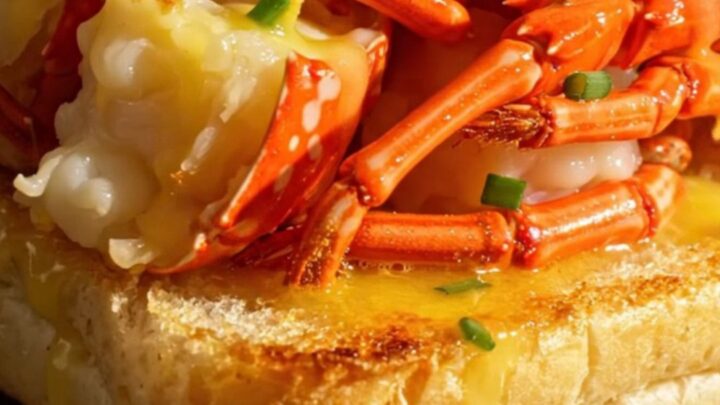
- Assemble the RollsSpoon the warm lobster mixture into the toasted rolls, dividing evenly. Pour any remaining lemon-chive butter from the skillet over the top. Serve immediately while the rolls are crisp and the butter is warm.Look for The rolls are overflowing with lobster and glistening with butter.Tip Use a slotted spoon if the butter is too runny, then drizzle the extra on top.
The rolls are overflowing with warm lobster, and the butter pools in the bottom of the plate. The chives add a pop of green, and the lemon zest glistens. The rolls should be crispy on the outside and soft inside, with the lobster mixture warm and fragrant. Serve immediately to enjoy the contrast of textures.
Common mistakes
One common mistake is overheating the lobster, which makes it tough and rubbery. Keep the heat low and stir gently. Another is toasting the rolls too dark—brioche burns quickly, so watch them closely.
Using cold butter straight from the fridge can cause it to seize when added to the skillet; let it melt slowly. Finally, don't skip the lemon zest; it adds a bright aroma that lemon juice alone can't provide. Overfilling the rolls can make them soggy; use a slotted spoon if needed.
How to tell it’s done
The lobster is done when it's heated through to at least 145°F (63°C) and the butter is warm and fragrant. The rolls are done when they're golden brown on the cut sides and crisp to the touch. The butter should be melted and slightly foamy but not browned.
To check the lobster, insert an instant-read thermometer into the thickest piece; it should read 145°F (63°C). The rolls should feel firm and sound hollow when tapped. Serve immediately while everything is warm.
- Shellfish: 145°F (63°C) in the thickest part
Up next · Part 3 of 3
4 variations · storage & make-ahead · 5 answers · printable card
Tips, FAQ & printable recipe (Part 3)← Back to the ingredients (Part 1)