Desserts · Part 2 of 3: Instructions
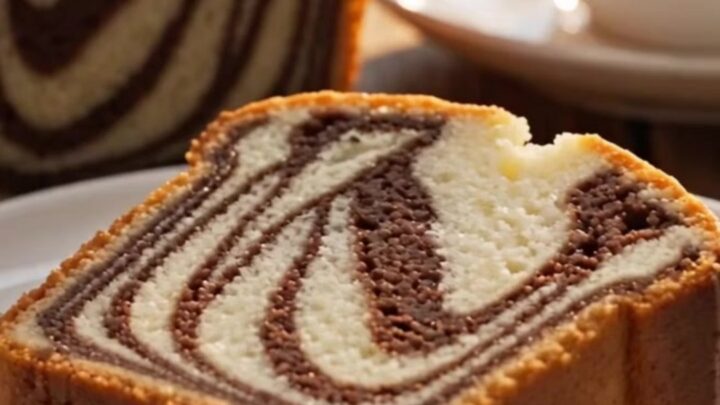
Classic Butter Marble Loaf Cake with Velvety Zebra Swirl Step-by-step instructions
- Prep
- Cook
- Total
- Serves
- 10
Before you start
Before beginning, ensure all ingredients are measured and at room temperature. This is particularly important for the butter and eggs, as temperature discrepancies can cause the batter to break or curdle.
Preheat your oven to 350°F (175°C) and line your loaf pan with parchment paper, leaving an overhang on the sides for easy removal.
Have your mixing bowls, spatula, and sifter ready on the counter to keep the process organized. By preparing your workspace in advance, you can focus on the delicate task of folding and swirling without rushing.
Ingredients at a glance (10)
- 125 g softened butter
- 1 1/2 cups sugar
- 3 large eggs
- 1 cup milk
- 1 tsp pure vanilla extract
- 2 1/2 cups all-purpose flour
- 2 tsp baking powder
- 3 tbsp Dutch cocoa powder
- 2 tbsp milk
- powdered sugar, for serving
Instructions
Creaming the foundation
- Cream the baseIn a large bowl, cream the softened butter and sugar together using an electric mixer until the mixture is light, airy, and fluffy. Add the eggs one at a time, beating well after each addition to ensure proper emulsification. Pour in the milk and vanilla extract, then mix until just combined.Look for The mixture should look pale, smooth, and significantly increased in volume.Tip Ensure the eggs are at room temperature to prevent the butter from curdling.
The butter and sugar should be pale yellow and look like a thick, smooth paste. As the eggs are added, the mixture should become light, fluffy, and emulsified. If the mixture looks grainy or separated, continue beating on medium speed until it returns to a smooth, cohesive consistency before adding the milk and vanilla.
Creating the contrast
- Prepare the battersSift the flour and baking powder into the wet mixture. Gently fold the dry ingredients into the batter using a spatula until no streaks of flour remain. Remove one-third of the vanilla batter and place it in a separate bowl. Sift the cocoa powder into this smaller portion, add the extra two tablespoons of milk, and fold until smooth.Look for The chocolate batter should be uniform in color and smooth in texture.Tip Do not overmix the batter once the flour is added to keep the cake tender.
The vanilla batter should be thick and smooth, holding its shape when dropped from a spoon. Once you divide the batter and fold in the cocoa, the chocolate portion should be a rich, dark brown color. Ensure the cocoa powder is fully incorporated so there are no dry pockets or white streaks remaining in the chocolate batter.
Swirling and baking
- Assemble and bakeGrease a loaf pan. Spoon alternating scoops of vanilla and chocolate batter into the pan. Run a knife through the batter in figure-eight motions to create the marble effect. Bake at 350°F (175°C) for 45 minutes until the cake is domed and a toothpick comes out clean. Dust with powdered sugar after cooling.Look for The cake is done when it springs back to the touch and reaches an internal temperature of 160°F (71°C).Safe temperature 160°F (71°C) internal temperature (egg dishes)Tip Do not over-swirl, or the colors will blend into a single muddy brown.
The batter should be spooned into the pan in distinct, alternating dollops. After the knife has been passed through in figure-eights, the top should show a clear, beautiful pattern of light and dark. The cake is baked when the top feels firm to the touch and has a beautiful, golden-brown crust that has risen uniformly.
Common mistakes
A common mistake is overmixing the batter after adding the flour, which develops too much gluten and leads to a tough, dense cake. Another frequent error is swirling the knife too many times between the chocolate and vanilla layers, which results in a muddy color rather than a defined marble effect.
Finally, ensure the butter is truly softened, not melted, as melted butter cannot hold the air needed for a fluffy texture during the creaming phase.
How to tell it’s done
The cake is ready when it is golden brown on top and has risen significantly. A skewer or toothpick inserted into the center of the loaf should come out clean or with only a few moist crumbs attached.
Because this recipe contains eggs, it is important that the center reaches an internal temperature of 160°F (71°C) to ensure it is fully set and safe to consume. Let the cake rest in the pan for at least 15 minutes before unmolding.
- Egg dishes: 160°F (71°C) in the thickest part
Up next · Part 3 of 3
2 variations · storage & make-ahead · 3 answers · printable card
Tips, FAQ & printable recipe (Part 3)← Back to the ingredients (Part 1)