Dinner · Part 1 of 3: Ingredients
Classic Baked Pastitsio With Spiced Beef and Creamy Béchamel
- Prep
- Cook
- Total
- Serves
- 8
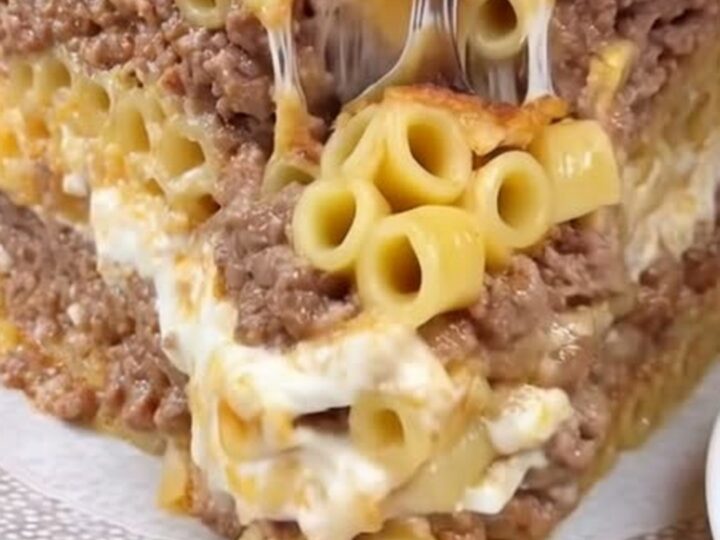
Mastering the art of traditional Greek comfort food begins with a perfectly constructed Pastitsio. The balance between thick tubular pasta, warm aromatic spiced minced meat, and a crowning layer of rich baked white sauce provides pure culinary satisfaction.
With clean architectural layers visible in every slice, this iconic baked pasta dish delivers an exceptional centerpiece for dinner that looks as impressive as it tastes.
Pastitsio represents the gold standard of Mediterranean comfort casseroles, offering a sophisticated alternative to everyday baked pastas. This classic recipe highlights tubular bucatini pasta aligned beneath a deeply seasoned layer of spiced minced beef, finished with a generous layer of luscious béchamel sauce.
As the dish bakes, the velvety topping firms up into a delicate, bronzed crust that locks in the moisture and distinct aromatic seasonings below. Understanding how to manage the moisture and structural integrity ensures clean, sliceable portions that hold their iconic shape straight from the baking dish to the serving plate.
Ingredients
Pasta Layer
- 1 lb bucatini pasta
Meat Layer
- 1 1/2 lb spiced minced beef
Béchamel Topping
- 4 cups béchamel topping (store-bought or made ahead)
Why this recipe works
The distinct layering method is crucial to building structural cohesion throughout the casserole. Placing the firm tubular bucatini at the bottom creates a sturdy foundation that absorbs excess savory juices while supporting the heavy meat layer above.
Spreading the thick béchamel topping completely across the surface acts as an insulating barrier, preventing the spiced beef and pasta from drying out under oven heat while allowing the topping itself to caramelize into a golden, sliceable crust.
Using hollow bucatini pasta ensures that heat and juices circulate evenly throughout the bottom layer, locking every component into a unified matrix. Cooking the spiced minced beef thoroughly before assembly guarantees that internal moisture is controlled, preventing a soggy casserole base.
Baking until the white topping sets firmly ensures that each cut slice presents sharp, picturesque lines with no collapsing layers when lifted onto a plate.
Notes and substitutions
Select high-grade bucatini pasta with visible hollow centers to capture the traditional appearance and texture of Greek pastitsio. For the meat component, lean spiced minced beef provides deep savory flavor without leaving pooled fat in the bottom of your baking dish. Prepared or make-ahead béchamel topping should be silky and thick enough to spread cleanly without dripping through the meat layer prematurely.
A ceramic or glass 9x13-inch baking dish is the best vessel for this recipe, ensuring uniform heat distribution along both the bottom pasta layer and the upper crust. A wide, heat-resistant offset spatula or silicone spatula makes smoothing the top béchamel effortless and helps lift clean, rectangular portions once the casserole finishes its mandatory post-bake resting period.
- bucatini pasta: penne or rigatoni pasta can be substituted to provide a similar tubular pasta structure.
- spiced minced beef: spiced minced lamb creates an authentic Mediterranean variation with robust flavor.
Equipment
- large pot
- colander
- skillet
- spatula
- 9x13-inch baking dish
Up next · Part 2 of 3
3 steps · 55 min of cooking · what to look for at each stage
Step-by-step instructions (Part 2)