Desserts · Part 2 of 3: Instructions
Easy Cinnamon Sugar Crescent Twists for a Quick Sweet Treat Step-by-step instructions
- Prep
- Cook
- Total
- Serves
- 8
Before you start
Before beginning, ensure that your oven is preheated to the correct temperature, as consistent heat is vital for the dough to puff up correctly.
Take the crescent roll dough out of the refrigerator just a few minutes before you are ready to work with it, as working with cold dough makes it much easier to shape and twist without it becoming overly sticky or difficult to manage on your countertop.
Ingredients at a glance (3)
- 1 can refrigerated crescent roll dough, store-bought or made ahead
- 3 tbsp unsalted butter, melted
- 2 tbsp cinnamon sugar mixture
Instructions
Shaping the dough
- Prepare the twistsPreheat your oven to 375°F (190°C). Unroll the refrigerated crescent roll dough and cut the triangles into thinner strips. Gently twist each strip of dough to create a spiral effect and arrange them in neat, even rows inside a large rectangular ceramic baking dish.Look for The dough strips should be twisted tightly and arranged without overlapping too much to ensure even baking across the entire dish.Tip Keep the dough cold until the moment you are ready to twist it, as warm dough can become sticky and difficult to handle.
The dough should be cut into uniform, thin strips that are easy to twist. Each twist should hold its shape well when placed in the baking dish. Ensure the rows are neat and there is enough room between each piece to allow for expansion during the baking process, resulting in a perfectly puffed and golden final product.
Adding the flavor
- Add the toppingsTake the melted butter and pour it slowly and evenly over the arranged crescent dough twists, ensuring every piece receives a generous coating. Follow this by using a spoon to shower the cinnamon sugar mixture across the top of the buttered dough, covering all areas for maximum flavor.Look for Ensure the butter is liquid enough to flow easily but not boiling hot, which could cause the raw dough to lose its structure before baking.Tip Use a steady hand when pouring the butter to avoid pooling at the bottom of the dish, which might make the bottom of the twists soggy.
The melted butter should be evenly distributed across all the dough pieces, ensuring no dry spots remain.
The cinnamon sugar should be sprinkled thoroughly so that every twist is coated, creating a layer that will caramelize during baking. The dish should look uniform and ready for the oven, with the ingredients coating the dough evenly.
Baking to perfection
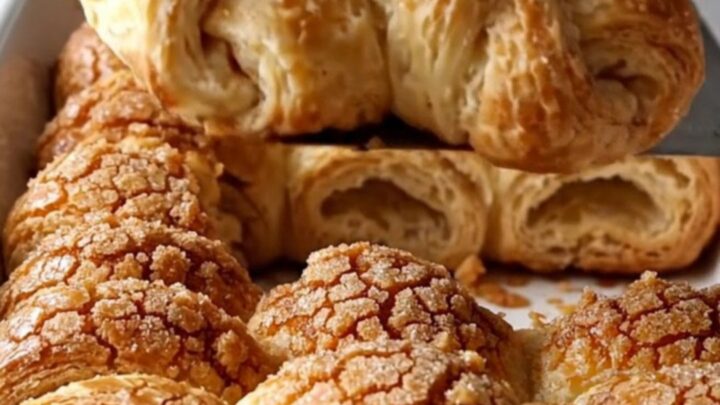
- Bake until goldenPlace the baking dish into the center rack of the preheated oven. Bake for 12 to 15 minutes, or until the crescent twists are puffed, flaky, and golden brown. The sugar should be crackly and caramelized on top. Remove from the oven and let cool slightly before serving.Look for Watch for a deep golden-brown color and a firm, crackly top crust that indicates the sugar has successfully melted and caramelized.Tip If the tops brown too quickly before the center is cooked, tent the baking dish loosely with aluminum foil for the final few minutes of baking.
The twists are ready when they have achieved a beautiful golden-brown color and the sugar has formed a delicious, crackly crust. The kitchen should smell fragrant and sweet. Use a spatula to lift a few twists to check that the bottom is cooked through and not doughy, confirming that the entire batch is ready to be served warm.
Common mistakes
A common mistake is overcrowding the baking dish, which prevents the heat from circulating properly and leads to uneven cooking or soggy centers. Ensure there is enough space between each twist.
Another error is using butter that is too hot; if the butter is boiling, it can start to cook the dough prematurely or make it collapse. Always allow the butter to reach a warm, liquid state before drizzling it over the arranged dough.
How to tell it’s done
The twists are done when they have puffed up significantly and developed a deep, golden-brown color. The cinnamon sugar coating should look slightly caramelized and feel firm to the touch, indicating a crackly crust has formed.
The internal texture should be soft and airy, while the exterior provides a satisfying crunch. Ensure they are not burnt by checking the color after the 12-minute mark, as oven temperatures can vary slightly.
Up next · Part 3 of 3
2 variations · storage & make-ahead · 3 answers · printable card
Tips, FAQ & printable recipe (Part 3)← Back to the ingredients (Part 1)