Dinner · Part 2 of 3: Instructions
Christmas Garlic Butter Salmon Step-by-step instructions
- Prep
- Cook
- Total
- Serves
- 2
Before you start
Before you begin, ensure your salmon fillets are patted completely dry with paper towels; excess moisture is the enemy of a good sear. Finely mince your garlic and chop the fresh parsley so they are ready to add to the pan quickly.
Have your serving dish nearby so you can plate the fish immediately once it reaches the target temperature. Keeping your workspace organized allows you to focus on the temperature of the skillet and the basting process, which are the most critical elements of this recipe.
Ingredients at a glance (4)
- 2 salmon fillets, skin-on or off
- 3 tbsp butter
- 3 cloves garlic, minced
- 1 tbsp fresh parsley, chopped
Instructions
Searing for texture
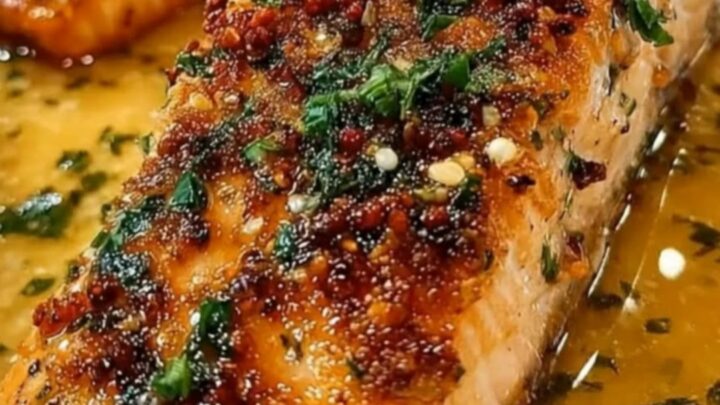
- Sear the salmonPlace the salmon fillets into a preheated, hot skillet. Cook the fillets until they develop a golden-brown, crispy exterior and the flesh begins to turn opaque. Use a spatula to flip the salmon carefully once the bottom is deeply seared and releases easily from the pan surface.Look for The salmon develops a golden-brown crust and releases easily from the pan.Tip Ensure the pan is sufficiently hot before adding the fish to achieve a proper sear.
The salmon should have a deep golden-brown crust on the bottom side and look opaque around the edges. It should release easily from the pan when you attempt to flip it. If the salmon sticks, it is not yet ready to be turned; wait another minute to allow the proteins to firm up and the sear to develop fully.
Basting for flavor
- Prepare the garlic butterLower the heat and add the butter to the skillet. Once melted, stir in the minced garlic and chopped parsley. Allow the butter to bubble and foam, infusing it with the aromatics. Use a spoon to continuously baste the seared salmon with the hot, bubbling garlic butter sauce until the fish is cooked through.Look for The butter is bubbling, fragrant, and golden, and the garlic is softened.Safe temperature 145°F (63°C) internal temperature (fish)Tip Watch the garlic closely to ensure it does not burn or turn bitter in the hot butter.
The butter should be bubbling vigorously and foaming, creating a rich, golden sauce that coats the back of your spoon. The minced garlic should be aromatic and softened, but not browned to a dark color.
The sauce should appear glossy and emulsified as you spoon it repeatedly over the fillets to finish the cooking process.
Resting for tenderness
- Rest and serveRemove the skillet from the heat. Transfer the salmon fillets to a warm serving dish, spooning the remaining garlic butter sauce from the pan over the top. Let the salmon rest for at least 3 minutes before serving to allow the juices to redistribute throughout the fillet.Look for The salmon is tender and opaque throughout when flaked with a fork.Safe temperature 145°F (63°C) internal temperature (fish)Tip Resting the fish is essential for maintaining the moisture and tender texture of the fillet.
The salmon should look tender, with a light, buttery sheen from the sauce. After resting for three minutes, the fish should feel firm yet yielding to the touch. This brief rest is the final check before serving, ensuring the juices are locked in and the texture is perfectly consistent from the first bite to the last.
Common mistakes
A common mistake is overcrowding the pan, which lowers the temperature and causes the salmon to steam instead of sear. Always leave enough space between fillets for the heat to circulate.
Another frequent error is adding the garlic too early; because garlic burns quickly, it should only be added once the butter has melted and the salmon is nearly finished, ensuring the sauce remains fragrant and sweet rather than bitter and burnt.
How to tell it’s done
The salmon is perfectly cooked when it reaches an internal temperature of 145°F (63°C). Visually, the flesh should be opaque and flake easily when gently prodded with a fork.
It is important not to overcook the fish, as it will continue to carry over heat while it rests. If you are unsure, use a digital thermometer inserted into the thickest part of the fillet to confirm the temperature before removing the pan from the heat.
- Fish: 145°F (63°C) in the thickest part
Up next · Part 3 of 3
2 variations · storage & make-ahead · 3 answers · printable card
Tips, FAQ & printable recipe (Part 3)← Back to the ingredients (Part 1)