Dinner · Part 2 of 3: Instructions
Chilean Sea Bass with Lemon Caper Brown Butter Step-by-step instructions
- Prep
- Cook
- Total
- Serves
- 4
Before you start
Before cooking, take the sea bass out of the refrigerator and let it sit at room temperature for 15–20 minutes (no more than 30 minutes). Pat the fillets completely dry with paper towels—this is essential for a crisp crust.
Slice the lemon into thin wheels, chop the parsley, and grate the Asiago. Have all ingredients within reach, as the cooking moves quickly once you start.
Ingredients at a glance (8)
- 1 large lemon, sliced into wheels
- 1/4 cup fresh parsley, chopped
- 2 oz aged Asiago cheese, grated
- 4 Chilean sea bass fillets (6 oz each)
- kosher salt to taste
- black pepper to taste
- 4 tbsp unsalted butter
- 2 tbsp capers, drained
Instructions
Prep and Season
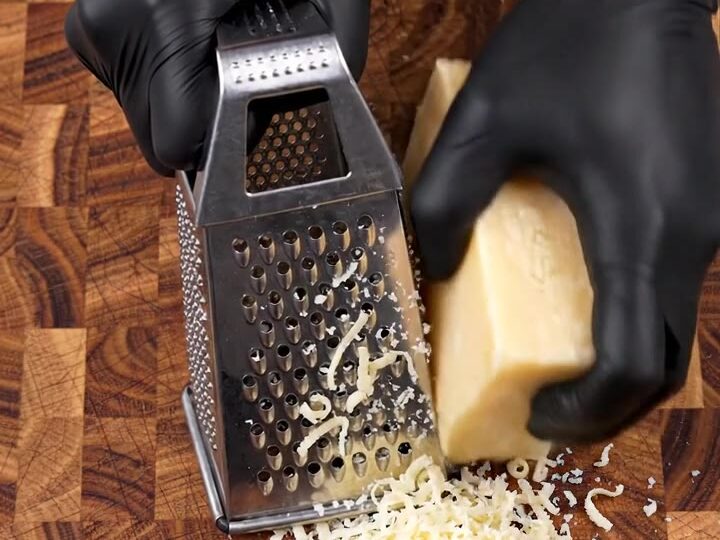
- Prep the aromaticsSlice the lemon into thin wheels, about 1/4-inch thick. Chop the parsley leaves finely. Grate the aged Asiago cheese on the large holes of a box grater to create fine curls. Set each aside separately.Look for Lemon wheels are even, parsley is finely chopped, and cheese is in fluffy curls.Tip Use a sharp knife for the lemon to keep the wheels intact.
- Season the fishPat the sea bass fillets dry with paper towels. Season both sides generously with kosher salt and black pepper.Look for The fillets are dry and evenly seasoned.Tip Drying the fish well ensures a crisp crust.
At this point, the lemon is sliced, parsley is chopped, and Asiago is grated. The sea bass is seasoned and ready. The aromas are fresh and citrusy. The fish should be at room temperature and dry to the touch. Everything is organized and within reach for the next phase.
Sear and Sauce
- Sear the sea bassHeat a cast iron skillet over medium-high heat until hot. Add a splash of oil (or a small pat of butter) and place the fillets skin-side down (if skin-on) or presentation-side down. Sear without moving until a deep golden crust forms, about 3–4 minutes. Flip and cook for another 2–3 minutes until the fish is opaque and flakes easily.Look for A golden crust forms on the first side; the fish releases easily from the pan.Safe temperature 145°F (63°C) internal temperature (fish)Tip Do not crowd the pan; cook in batches if needed.
- Make the brown butter sauceReduce the heat to medium. Add the butter to the skillet. As it melts, swirl the pan. Add the lemon wheels and capers. Let the butter foam and turn golden brown, about 2–3 minutes. The lemon will soften and the capers will crisp slightly.Look for The butter smells nutty and turns amber with brown specks.Tip Watch closely—butter can go from brown to burnt quickly.
- Baste the fishSpoon the hot lemon caper brown butter over the fillets repeatedly for about 1 minute, so the fish absorbs the sauce. The fillets should be fully cooked and flaky.Look for The sauce sizzles as it hits the fish, and the fillets look glossy.Safe temperature 145°F (63°C) internal temperature (fish)Tip Tilt the pan to pool the butter for easy spooning.
The skillet is hot, and the fish sizzles as it hits the pan. The kitchen fills with the smell of searing fish and toasting butter. The sauce bubbles and foams, turning golden brown with capers and lemon. The fish is golden on both sides and cooked through. The butter has a nutty aroma.
Finish and Serve
- Finish and serveRemove the skillet from the heat. Sprinkle the chopped parsley and grated Asiago over the fish. Serve immediately, spooning extra brown butter and lemon wheels over each fillet.Look for The cheese melts slightly, and the parsley adds fresh green color.Tip Serve with crusty bread to soak up the sauce.
The fish is plated with glistening brown butter, lemon wheels, and capers. Fresh parsley and grated Asiago add color and flavor.
The dish looks restaurant-quality, with the sauce pooling around the fillets. The texture is flaky and moist, and the flavors are balanced—nutty, briny, and bright.
Common mistakes
One common mistake is overcrowding the skillet, which lowers the pan temperature and steams the fish instead of searing it. Cook in batches if necessary.
Another is moving the fish too early; let it cook undisturbed until the crust forms, then it will release easily. Also, be careful not to burn the butter—keep the heat at medium and swirl the pan constantly. If the butter turns black and smells acrid, start over.
How to tell it’s done
The sea bass is done when it reaches an internal temperature of 145°F (63°C) and flakes easily with a fork. The flesh should be opaque throughout, not translucent in the center.
When you press gently with a finger, it should feel firm but springy. The brown butter sauce is ready when it turns a deep amber color and smells nutty—this happens quickly, so watch carefully.
- Fish: 145°F (63°C) in the thickest part
Up next · Part 3 of 3
4 variations · storage & make-ahead · 5 answers · printable card
Tips, FAQ & printable recipe (Part 3)← Back to the ingredients (Part 1)