Dinner · Part 2 of 3: Instructions
Chicken Spaghetti Lasagna Bake with Golden Cheese Pull Step-by-step instructions
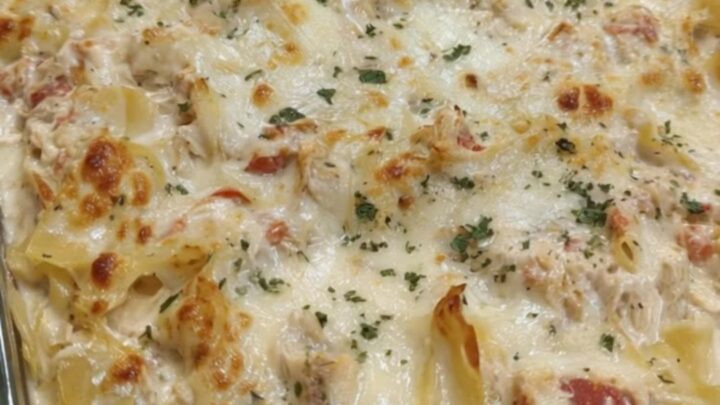
- Prep
- Cook
- Total
- Serves
- 8
Before you start
Read the dish end to end, then set up in this order. Put a large pot of salted water on high heat for the spaghetti, and place the chicken in a wide skillet with broth to poach. Grate both cheeses now and keep them in separate bowls, since layering happens fast once the sauce is ready. Drain the canned tomatoes so they do not water down the sauce.
Ingredients at a glance (14)
- 1 1/2 lb boneless skinless chicken breasts
- 12 oz spaghetti, broken in half
- 3 tbsp unsalted butter
- 1 yellow onion, finely diced
- 3 cloves garlic, minced
- 1 can condensed cream of chicken soup (10.5 oz)
- 1 cup sour cream
- 1 cup chicken broth
- 1 can (10 oz) diced tomatoes with green chilies, drained
- 1 tsp kosher salt, plus more for the pasta water
- 1/2 tsp black pepper
- 1/2 tsp smoked paprika
- 2 cups shredded mozzarella, divided
- 1 cup shredded cheddar
Instructions
Phase 1: Chicken and pasta
- Poach the chicken gentlyPlace the chicken breasts in a wide skillet and pour in enough water or additional broth to cover by an inch. Bring to a bare simmer over medium heat, then lower the heat, cover the pan and let the chicken poach quietly while the pasta water comes together. Gentle heat keeps the meat juicy and easy to shred later.Look for The surface should tremble with tiny bubbles, never boil; the chicken turns opaque white on the outside within a few minutes.Tip Start the chicken first so it rests while the sauce comes together, and the poaching liquid doubles as flavorful liquid for the sauce.
- Boil the spaghetti shortBring a large pot of well-salted water to a rolling boil, add the broken spaghetti and cook one to two minutes short of the package time. The noodles should bend easily but still feel firm at the center. Drain and set aside, reserving a splash of pasta water in case the sauce needs loosening.Look for Bite a strand: tender outside, a faint white line at the core. It will finish cooking in the oven, so pull it early.Tip Breaking the spaghetti in half before cooking makes the bake far easier to scoop into clean, layered portions later.
- Check and shred the chickenCheck the poached chicken with an instant-read thermometer inserted into the thickest piece; it must read 165°F (74°C) to be safely cooked through. Remove the breasts to a board, rest them a few minutes, then shred with two forks into bite-size strands. Set aside, covered, while the sauce builds.Look for The shreds should pull apart with light fork pressure, moist and steaming, never dry or stringy.Safe temperature 165°F (74°C) internal temperature (poultry)Tip Shred the chicken while it is still warm; it separates along the grain far more easily than once it has cooled.
By the end of this phase, the poached chicken reads 165°F (74°C) on an instant-read thermometer and shreds into moist strands with light fork pressure.
The spaghetti is one to two minutes short of done, bending easily but holding a faint firm line at the center, and it has been drained with a splash of water reserved. The kitchen should smell like gently simmering broth and salted pasta water.
Phase 2: Sauce and layering
- Build the creamy sauceMelt the butter in the skillet over medium heat, add the diced onion and cook until translucent, about four minutes. Stir in the garlic for thirty seconds, then add the condensed soup, sour cream, broth, drained tomatoes, salt, pepper and smoked paprika. Whisk until completely smooth and gently bubbling at the edges.Look for The sauce should coat the back of a spoon and steam thickly, with no visible streaks of soup or sour cream remaining.Tip Whisk the sour cream into the pan off direct high heat; a moderate flame keeps the dairy smooth instead of curdled.
- Fold pasta and chicken togetherAdd the drained spaghetti and the shredded chicken to the sauce and fold with a spatula until every strand is coated and the chicken is evenly distributed. If the mixture looks stiff, loosen it with a splash of the reserved pasta water. Taste and adjust the salt and pepper before it goes into the dish.Look for Every strand glistens with sauce and the mixture holds together in a soft mound on the spatula, not soupy at the bottom.Tip Season the mixture now, before baking; pasta absorbs salt as it finishes in the oven, so a confident hand here pays off.
- Layer the first cheese bedSpread half of the creamy chicken spaghetti into the glass baking dish in an even layer. Scatter one cup of the mozzarella over it, letting it reach the corners. This hidden cheese layer is what gives the bake its lasagna-style pull when a serving is lifted from the dish.Look for The first layer should look level with no pasta peeking through, and the cheese should cover it edge to edge.Tip Grate the cheese fresh from the block; pre-shredded bags carry anti-caking starch that softens the melt and dulls the pull.
- Top and finish the layersSpread the remaining spaghetti mixture over the cheese layer, smoothing the top with the spatula. Shower the surface with the remaining cup of mozzarella and all of the cheddar, concentrating a little extra cheese at the edges where it crisps into golden, lacy bits during baking.Look for The top should be fully covered in shredded cheese with no sauce visible, mounded slightly higher at the corners.Tip Press the top gently with the spatula so the layers bond; a firm bake slices into neat squares instead of sliding apart.
The sauce should be smooth, thick and glossy, coating the back of a spoon with no streaks of soup or sour cream visible, and it should steam gently at the edges without boiling.
Folded with the pasta and chicken, the mixture holds together in a soft mound, glistening but never pooling liquid at the bottom of the bowl. In the dish, the layers read clearly: half the pasta, a full edge-to-edge bed of mozzarella, then the remaining pasta crowned with cheese.
Phase 3: Bake and rest
- Bake until bubbling and goldenBake the dish in a 375°F (190°C) oven for 30 to 35 minutes, until the edges bubble actively and the cheese turns deep golden in spots. If the top colors too quickly, lay a sheet of foil loosely over the dish for the final minutes. The center should be visibly hot and steaming.Look for Listen for a soft, steady bubble at the edges and look for browned cheese freckles across the top; the dish should tremble as one unit.Tip Set the dish on a middle rack so the bottom layer heats through without the top browning before the center is ready.
- Rest, then scoop and serveRest the bake on a wire rack for ten minutes so the sauce sets into clean layers. Scoop generous portions straight from the dish with a spatula, lifting slowly to show off the stretch of the melted mozzarella, and plate while the cheese is still glossy and pulling.Look for A serving lifted from the dish should stretch with long cheese strands and hold its shape on the plate, steaming gently.Tip Cool leftovers no more than two hours before covering and refrigerating, so the bake stays safe and fresh for the days ahead.
Out of the oven, the top should be deep golden in patches with crisped, browned edges, and the whole dish should bubble softly when it settles on the rack. The center must read at least 165°F (74°C) for a safely heated bake. During the ten-minute rest, the bubbling slows to occasional blips and the sauce sets from liquid-hot to scoopable.
Common mistakes
The most common fault is overcooked pasta: spaghetti boiled to the full package time turns soft and bloated by the time the bake comes out, so pull it one to two minutes early every time.
The second is a loose sauce, which happens when the tomatoes go in undrained or when the sour cream hits high direct heat and curdles; drain the can and keep the flame moderate.
How to tell it’s done
The bake is done when three signals agree. First, the edges bubble actively and steadily, which means the center has reached full heat. Second, the cheese on top shows deep golden spots and the corners have crisped slightly.
Third, an instant-read thermometer pushed into the middle of the dish reads at least 165°F (74°C), confirming the chicken and the whole bake are safely hot.
- Poultry: 165°F (74°C) in the thickest part
Up next · Part 3 of 3
4 variations · storage & make-ahead · 5 answers · printable card
Tips, FAQ & printable recipe (Part 3)← Back to the ingredients (Part 1)