Dinner · Part 3 of 3: Tips & recipe card
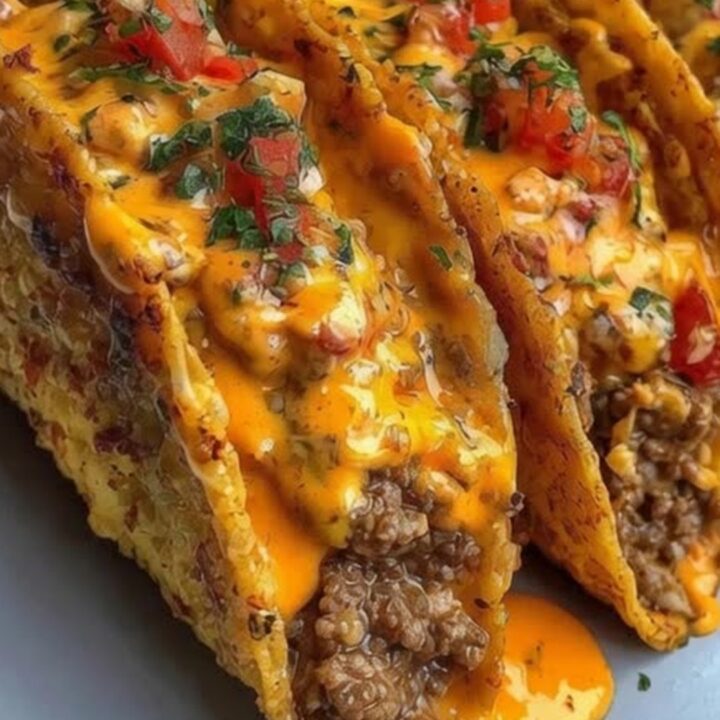
Cheesy Rotel Beef Tacos with Crispy Shells Tips, FAQ & printable recipe

- Prep
- Cook
- Total
- Serves
- 4
Tips for success
To take your cheese sauce to the next level, consider adding a pinch of ground cumin or a dash of hot sauce for an extra kick of flavor. If you find the cheese sauce is too thick, you can thin it out by stirring in a tablespoon or two of warm milk until it reaches your desired consistency.
Keep the sauce warm in a small slow cooker on the warm setting if you are serving these tacos at a party, which keeps the cheese perfectly melted and dip-ready for hours.
For the ultimate crunch, look for stand-and-stuff taco shells, which have a flat bottom. These shells are much easier to fill and stand up beautifully on the plate, preventing the fillings from spilling out.
If you have leftovers, store the beef, cheese sauce, and toppings in separate containers. Storing them together will make the taco shells soggy and ruin the texture. Reheat the beef and cheese sauce separately before assembling fresh tacos with crisp, newly warmed shells.
Variations
- Spicy Jalapeno Taco: Add finely diced fresh or pickled jalapeños to the beef mixture while simmering, and stir a spoonful of jalapeño juice into the Rotel cheese sauce for an extra spicy kick.
- Creamy Avocado Taco: Top the assembled tacos with fresh avocado slices or a dollop of guacamole to add a cool, creamy texture that balances the savory beef and warm cheese sauce.
Storage and make-ahead
- Fridge
- Store leftover beef, cheese sauce, and toppings separately in airtight containers in the refrigerator for up to 3 to 4 days.
- Freezer
- The seasoned beef can be frozen in a freezer-safe bag for up to 3 months; thaw overnight in the fridge before reheating. Do not freeze the cheese sauce.
- Reheat
- Reheat the beef in a skillet over medium heat with a splash of broth, and microwave the cheese sauce in 15-second intervals, stirring until smooth.
Store any leftover seasoned beef, Rotel cheese sauce, and fresh toppings in separate airtight containers in the refrigerator. Keeping the components separate is crucial to preserving their individual textures and preventing the taco shells from becoming soggy.
Leftover beef and cheese sauce will keep well for up to three to four days. The fresh diced tomatoes and chopped cilantro are best consumed within one to two days for optimal freshness and flavor.
You can easily prepare several components of this recipe ahead of time to save dinner-prep minutes. The ground beef can be browned, seasoned, and stored in the refrigerator up to two days in advance. The fresh tomatoes can be diced and the cilantro chopped a day ahead. When you are ready to serve, simply reheat the beef, prepare the quick cheese sauce, warm the taco shells, and assemble your fresh, hot tacos in minutes.
Serving ideas
Serve these cheesy tacos immediately while the shells are warm and crunchy and the cheese sauce is hot and flowing. Arrange them on a large platter garnished with extra cilantro leaves and lime wedges on the side.
A squeeze of fresh lime juice over the top adds a wonderful brightness that cuts through the rich cheese sauce. Pair them with a side of Mexican rice, refried beans, or a simple green salad for a complete and satisfying meal.
These tacos are also fantastic for casual gatherings or game day. Set up a DIY taco bar with the warm seasoned beef, the Rotel cheese sauce in a fondue pot or mini slow cooker, and bowls of various toppings. Guests can customize their own tacos with additional toppings like sour cream, sliced jalapeños, shredded lettuce, or guacamole. This interactive serving style is always a hit and keeps the tacos fresh and crisp for everyone.
Frequently asked questions
Can the cheese sauce be made with real cheddar cheese instead of processed cheese?
How can the taco shells be kept from breaking when filled?
Is it possible to make this recipe gluten-free?
Cheesy Rotel Beef Tacos with Crispy Shells
Ingredients
- 1 lb ground beef
- 1 packet taco seasoning
- 8 oz processed cheese, cubed
- 1 can (10 oz) diced tomatoes with green chilies, drained
- 8 crispy taco shells
- 1/2 cup fresh tomatoes, diced
- 1/4 cup fresh cilantro, chopped
Instructions
- Place a large skillet over medium-high heat. Add the ground beef, breaking it up with a wooden spoon or spatula as it cooks. Sauté for 5 to 7 minutes, or until the beef is fully browned and no pink remains. Carefully drain any excess grease from the skillet to prevent the tacos from becoming soggy.
- Reduce the heat to medium. Sprinkle the taco seasoning over the browned beef. Stir well to combine. Cook the mixture for 2 to 3 minutes, stirring occasionally, until the spices are fragrant and the beef is thoroughly coated. Ensure the ground beef reaches a safe internal temperature of 160°F (71°C) before removing it from the heat.
- In a medium saucepan over low heat, combine the cubed processed cheese and the drained diced tomatoes with green chilies. Heat the mixture slowly, stirring constantly with a spatula, until the cheese is completely melted, smooth, and creamy. Keep the cheese sauce warm over very low heat, stirring occasionally to prevent a skin from forming.
- Preheat your oven to 350°F (175°C). Arrange the crispy taco shells in a single layer on a baking sheet. Bake them for 3 to 5 minutes until they are warm and fragrant. This step not only enhances their flavor but also helps the shells retain their crispness once filled.
- Carefully spoon a generous portion of the seasoned beef into the bottom of each warmed taco shell. Pour a rich layer of the warm Rotel cheese sauce directly over the seasoned beef. Top each taco with fresh diced tomatoes and chopped cilantro. Serve immediately while the shells are crunchy and the cheese is beautifully melted.
Estimated nutrition per serving
- Calories
- 480
- Protein
- 28.5 g
- Carbohydrates
- 22 g
- Fat
- 31 g
- Fiber
- 2.5 g
- Sugar
- 3 g
- Sodium
- 950 mg
Next recipe

Authentic Greek Pastitsio with Spiced Beef and Velvety Bechamel
See the recipe → →This recipe is based on a short cooking video and is published under the pen name Clara Weller. It was checked before publication, but errors can slip through. Nutrition, when shown, is an estimate. Read more in our editorial policy and on our food safety page.
More recipes to try
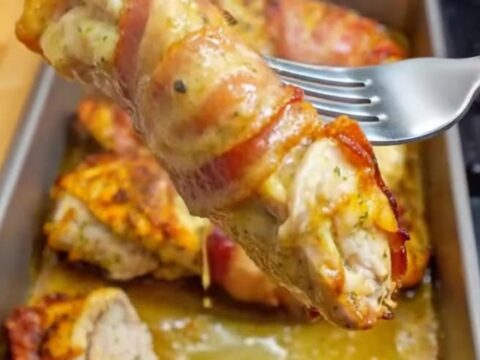
Crispy Bacon Wrapped Garlic Parmesan Chicken in One Pan
Total time: 45 min
Creamy Smothered Chicken with Bacon and Garlic Sauce
Total time: 45 min
Creamy Parmesan Garlic Bacon Lasagna
Total time: 1 h 10 min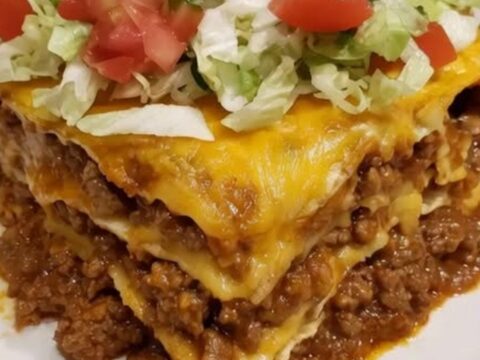
Cheesy Taco Lasagna Casserole Stack
Total time: 55 min
Garlic Butter Mushroom Stuffed Chicken in One Pan
Total time: 48 min