Dinner · Part 3 of 3: Tips & recipe card
Cheesy Meatball Casserole: Ultimate Comfort in One Pan Tips, FAQ & printable recipe

- Prep
- Cook
- Total
- Serves
- 4
Tips for success
To achieve the most beautiful golden-brown crust on the cheese, place the baking dish on the middle rack of the oven. If the cheese is not browning enough toward the end of the cooking time, you can briefly switch the oven to the broiler setting for 1 to 2 minutes, but watch it constantly to prevent burning.
For a more intense flavor profile, consider adding a pinch of dried herbs like oregano or thyme to the sauce before pouring it over the meatballs.
This adds a subtle aromatic quality that complements the richness of the dish. Always ensure the parsley is fresh and added only after the dish has rested to maintain its vibrant color and flavor.
Variations
- Spicy Meatball Casserole: Add a teaspoon of red pepper flakes to the creamy sauce before baking to introduce a pleasant heat that balances the richness of the cheese and the savory meatballs.
- Garlic Herb Variation: Incorporate two cloves of minced garlic into the creamy sauce and add a tablespoon of chopped fresh basil along with the parsley for a fragrant, aromatic upgrade.
Storage and make-ahead
- Fridge
- Keep refrigerated in an airtight container for up to 3 days.
- Freezer
- Freeze in a freezer-safe container for up to 2 months.
- Reheat
- Reheat in the oven at 350°F (175°C) until warmed through and the sauce is bubbly.
Cool any leftovers for no more than 2 hours at room temperature, then transfer to an airtight container. Properly stored, it will maintain its quality for up to three days in the refrigerator, allowing for an easy meal later in the week.
You can prepare the meatballs and sear them earlier in the day, storing them in the refrigerator until you are ready to assemble the casserole.
However, for the best texture, avoid adding the sauce and cheese until just before baking. This prevents the meatballs from becoming overly soft and ensures the cheese remains perfectly bubbly and fresh when served.
Serving ideas
Serve this cheesy meatball casserole hot, directly from the baking dish, to keep the sauce warm and the cheese stretchy.
It pairs exceptionally well with a side of crusty bread to soak up the creamy sauce, or a simple green salad with a light vinaigrette to provide a refreshing contrast to the richness of the main dish.
When plating, use a large spoon to scoop a generous portion of meatballs along with plenty of the creamy sauce.
Garnish each serving with a sprinkle of fresh parsley, which adds a clean, herbaceous note that cuts through the creaminess and enhances the overall presentation of the meal, making it feel complete and well-balanced for any dinner occasion.
Frequently asked questions
Can this casserole be prepared ahead of time?
What is the best way to ensure the cheese browns evenly?
Why is it important to rest the dish after baking?
Cheesy Meatball Casserole: Ultimate Comfort in One Pan

Ingredients
- 1 lb meatballs
- 1 1/2 cups creamy sauce
- 2 cups shredded mozzarella cheese
- fresh parsley, for serving
Instructions
- Heat a skillet over medium-high heat. Add the meatballs and brown them on all sides until they are nicely caramelized. Remove from the skillet and set aside briefly.
- Transfer the seared meatballs into a white baking dish. Pour the creamy sauce evenly over the meatballs, ensuring they are partially submerged to allow the sauce to thicken and incorporate the meat drippings.
- Top the dish generously with shredded mozzarella cheese. Bake in a preheated oven until the cheese is bubbling and golden brown. Ensure the internal temperature of the meatballs reaches 160°F (71°C). Let the dish rest for 5 minutes before garnishing with fresh parsley.
Estimated nutrition per serving
- Calories
- 580
- Protein
- 28 g
- Carbohydrates
- 8 g
- Fat
- 48 g
- Fiber
- 0.5 g
- Sugar
- 3 g
- Sodium
- 650 mg
Next recipe
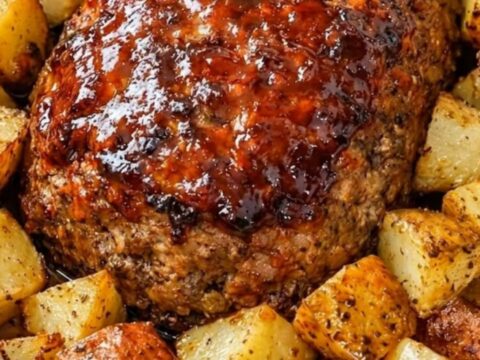
Glazed Beef Meatloaf and Roasted Potatoes
See the recipe → →This recipe is based on a short cooking video and is published under the pen name Clara Weller. It was checked before publication, but errors can slip through. Nutrition, when shown, is an estimate. Read more in our editorial policy and on our food safety page.
More recipes to try
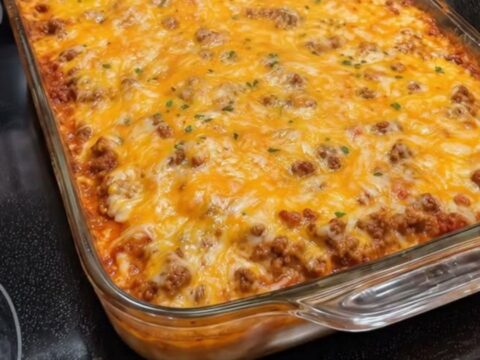
Ultimate Cheesy Mexican Casserole for Weeknight Dinners
Total time: 45 min
Honey Garlic Bacon-Wrapped Chicken with Creamy Potatoes
Total time: 50 min
Cheesy Baked Beef and Mushroom Casserole
Total time: 50 min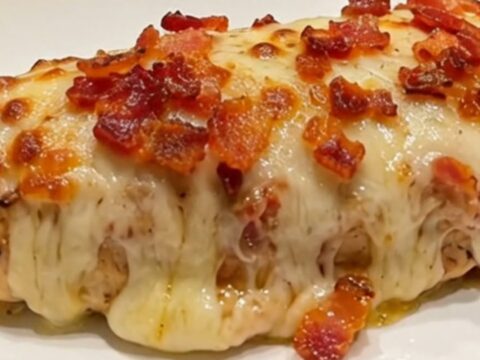
Bacon Ranch Mozzarella Chicken for a Quick Dinner
Total time: 45 min
Cheesy Mushroom Stuffed Beef Roll-Ups in Rich Gravy
Total time: 1 h 5 min