Appetizers · Part 3 of 3: Tips & recipe card
Cheesy Garlic Butter Pull-Apart Monkey Bread Skillet Tips, FAQ & printable recipe
- Prep
- Cook
- Total
- Serves
- 8
Tips for success
For the best texture, use a good-quality pizza dough that has a bit of elasticity. If the dough is too sticky, dust it lightly with flour, but avoid adding too much as it can make the bread dry.
When rolling the dough balls, keep your hands lightly oiled or floured to prevent sticking. The size of the balls matters: aim for about 1 inch in diameter so they cook through evenly.
To get extra cheese pull, use a mix of mozzarella and provolone, or add a few cubes of mozzarella in the center of each dough ball before baking. For a spicier kick, add a pinch of red pepper flakes to the garlic butter.
If you prefer a softer crust, cover the skillet with foil for the last 10 minutes of baking. Always serve the monkey bread warm — it's when the cheese is at its stretchiest and the flavors are most vibrant.
Variations
- Spicy Pepperoni: Add a layer of sliced pepperoni between the dough balls along with the mozzarella. The pepperoni gets crispy at the edges and adds a savory, spicy kick. Serve with extra marinara for dipping.
- Herb and Ricotta: Swap the mozzarella for a mixture of ricotta and mozzarella. Add fresh basil leaves between the layers. The ricotta adds creaminess and a mild, fresh flavor that pairs well with the garlic butter.
- Bacon Cheddar Ranch: Replace the mozzarella with shredded cheddar cheese and add crumbled cooked bacon between the layers. Drizzle with ranch dressing before serving. The smoky bacon and sharp cheddar create a rich, indulgent version.
- Veggie Supreme: Add sautéed mushrooms, bell peppers, and onions between the dough layers. Use a blend of mozzarella and provolone. The vegetables add moisture and a savory depth that makes it a satisfying vegetarian option.
Storage and make-ahead
- Fridge
- Store leftover monkey bread in an airtight container in the refrigerator for up to 3 days. Reheat in a 350°F (175°C) oven for 5-10 minutes until warmed through.
- Freezer
- Freeze the baked monkey bread for up to 2 months. Wrap the cooled skillet tightly in plastic wrap and then aluminum foil.
- Reheat
- Reheat individual pieces in a toaster oven or regular oven at 350°F (175°C) for 5-8 minutes, or until hot and cheese is melted.
Store leftover monkey bread in an airtight container in the refrigerator for up to 3 days. To reheat, place the bread in a 350°F (175°C) oven for 5-10 minutes, or until warmed through and the cheese is melted again. Avoid microwaving, as it can make the bread soggy.
You can prepare the dough balls and coat them with the garlic butter mixture up to a day in advance. Store them in an airtight container in the refrigerator.
When ready to bake, let them come to room temperature for about 30 minutes, then layer in the skillet and bake as directed. You can also assemble the entire skillet (without baking) a few hours ahead, cover, and refrigerate, then bake when ready.
Serving ideas
Serve this pull-apart bread straight from the skillet while it's still warm and the cheese is gooey. Place the skillet on a trivet in the center of the table and let everyone pull off their own piece.
Provide small plates and napkins, as the cheese can be messy in the best way. Warm marinara sauce is the classic dipping companion, but it's also delicious with ranch dressing or a simple garlic aioli.
This monkey bread is best enjoyed as a shared appetizer or snack. It pairs wonderfully with a crisp green salad or a bowl of soup for a light meal. For a game-day spread, serve it alongside wings, sliders, or a charcuterie board. The pull-apart nature makes it perfect for grazing, and it's sure to be the first thing to disappear from the table.
Frequently asked questions
Can this monkey bread be made ahead of time?
What is the best way to reheat leftover monkey bread?
Can this recipe be made gluten-free?
Why is the bottom of the bread not crispy?
Can this recipe be made without a cast iron skillet?
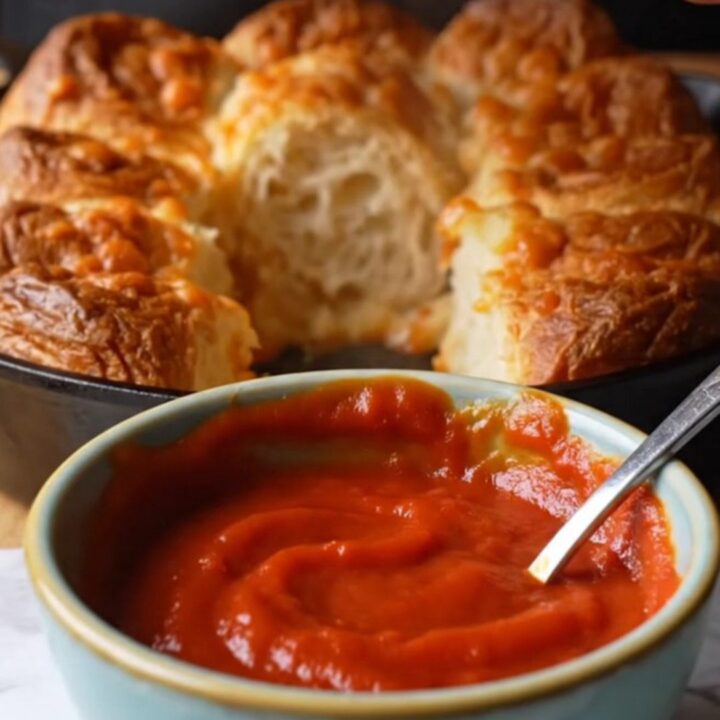
Cheesy Garlic Butter Pull-Apart Monkey Bread Skillet
Ingredients
- 500 g store-bought pizza dough, at room temperature
- 1/2 cup unsalted butter, melted
- 4 cloves garlic, minced
- 2 tbsp fresh parsley, chopped
- 1 tsp Italian seasoning
- 1/2 cup grated Parmesan cheese
- 2 cups shredded mozzarella cheese
- Warm marinara sauce, for serving
Instructions
- Lightly flour a clean work surface. Turn the pizza dough out onto the surface and gently pat it into a rough rectangle. Using a bench scraper or chef's knife, cut the dough into 24 uniform bite-sized pieces. Roll each piece into a smooth ball between your palms and place them in a large mixing bowl.
- In a small bowl, combine the melted butter, minced garlic, chopped parsley, Italian seasoning, and grated Parmesan cheese. Stir until well blended. Pour the garlic butter mixture over the dough balls in the bowl. Using a spatula or your hands, toss the dough balls until every piece is evenly coated with the garlic butter mixture.
- Preheat the oven to 375°F (190°C). Generously butter the bottom and sides of a 10-inch cast iron skillet. Arrange half of the coated dough balls in the skillet in a single layer. Scatter half of the shredded mozzarella over the dough. Top with the remaining dough balls, then scatter the remaining mozzarella over the top. Press down gently to nestle the dough balls together.
- Place the skillet in the preheated oven and bake for 22 minutes, or until the bread is puffed, golden brown, and the cheese is bubbly and blistered in spots. If the top browns too quickly, loosely cover with aluminum foil during the last 5 minutes. The internal temperature of the bread should reach at least 190°F (88°C) for a fully baked texture.
- Remove the skillet from the oven and let it rest for 5 minutes. The cheese will set slightly, making it easier to pull apart. Serve the monkey bread warm, directly from the skillet, with warm marinara sauce for dipping.
Estimated nutrition per serving
- Calories
- 420
- Protein
- 14 g
- Carbohydrates
- 42 g
- Fat
- 22 g
Next recipe
Turkish Meze Platter with Sizzling Pastırma Butter
See the recipe → →This recipe is based on a short cooking video and is published under the pen name Clara Weller. It was checked before publication, but errors can slip through. Nutrition, when shown, is an estimate. Read more in our editorial policy and on our food safety page.
More recipes to try
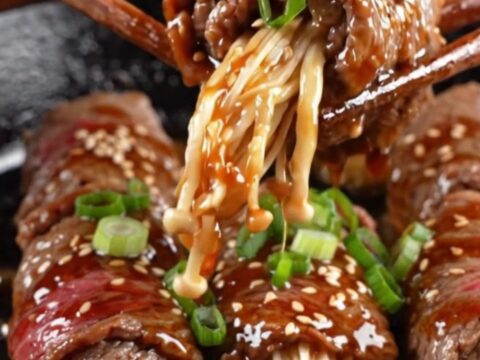
Crispy Korean Beef-Wrapped Enoki Mushrooms with Teriyaki Glaze
Total time: 25 min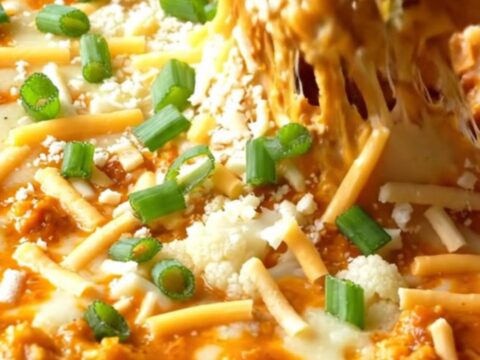
Cheesy Buffalo Cauliflower Skillet Dip with Toasted Baguette
Total time: 40 min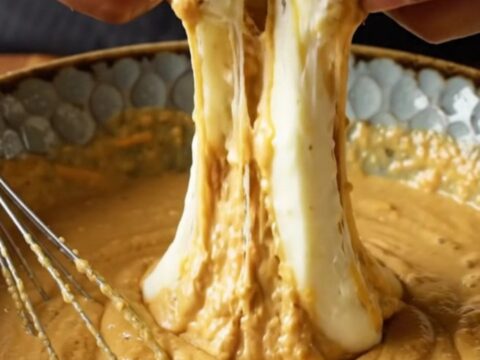
Triple Cheese Stuffed Garlic Pretzel Knots with Beer Cheese Dip
Total time: 50 min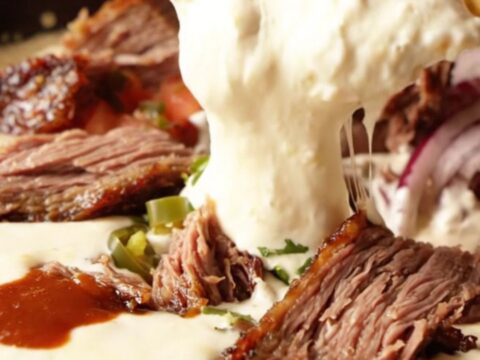
Texas Smoked Brisket Queso Dip Skillet
Total time: 40 min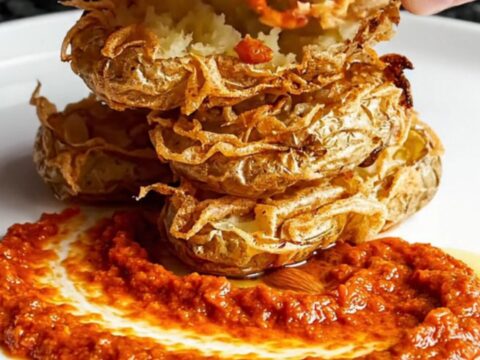
Crispy Smashed Fingerling Potatoes with Romesco Sauce & Toasted Almonds
Total time: 55 min