Dinner · Part 2 of 3: Instructions
Cheesy Garlic Butter Beef Spaghetti for a Quick Dinner Step-by-step instructions
- Prep
- Cook
- Total
- Serves
- 4
Before you start
Before you begin, ensure all ingredients are measured and ready, as this dish comes together very quickly once the pasta is cooked.
Shred your cheddar and grate your parmesan cheese in advance, as having them ready to go ensures you can maintain the proper temperature during the final emulsification.
Mince the garlic finely to ensure it cooks evenly in the butter. Have your pasta pot filled with water and set on the stove, and clear your workspace so you have plenty of room to toss the pasta and sauce effectively.
Ingredients at a glance (6)
- 1 lb ground beef
- 1 lb spaghetti
- 4 tbsp butter
- 3 cloves garlic, minced
- 1 cup cheddar cheese, shredded
- 1/2 cup parmesan cheese, grated
Instructions
Browning the Beef
- Prepare the Pasta and BeefCook the spaghetti in a large pot of salted boiling water according to package directions until al dente. While the pasta cooks, heat a large skillet over medium-high heat and brown the ground beef, breaking it into small crumbles with a wooden spoon or spatula until it reaches an internal temperature of 160°F (71°C). Drain any excess fat from the pan.Look for The beef should be deeply browned and no longer pink, while the pasta remains firm to the bite.Safe temperature 160°F (71°C) internal temperature (ground meat)Tip Reserve a splash of pasta water before draining to help loosen the sauce later if it becomes too thick.
The ground beef should be well-browned and broken into small, uniform pieces. The pan should be clean of excess grease, leaving behind only the flavorful bits that will help build the base of your sauce.
Infusing the Garlic Butter
- Create the Garlic Butter SauceReduce the heat to medium and add the butter to the skillet with the cooked beef. Once the butter is melted and bubbling, stir in the minced garlic and sauté for one minute until fragrant. Avoid burning the garlic, as it will turn bitter and spoil the flavor profile of the entire dish.Look for The butter should be foaming and the garlic should release a strong, aromatic scent without darkening or browning significantly.Tip If the garlic starts to brown too quickly, remove the skillet from the heat for a few seconds to regulate the temperature.
The butter should be completely melted and bubbling, with the garlic releasing a powerful, savory fragrance. Watch closely to ensure the garlic does not brown or turn dark, as this will introduce a bitter, burnt flavor.
Tossing the Pasta
- Emulsify and FinishAdd the cooked spaghetti into the skillet, tossing thoroughly to coat in the garlic butter. Gradually sprinkle in the shredded cheddar and grated parmesan cheeses, tossing continuously until the cheese melts into a creamy, cohesive sauce that coats the pasta strands evenly. Serve immediately while hot and steaming.Look for The cheese should be completely melted, creating a glossy, thick sauce that clings to the spaghetti without separating.Tip Add a tablespoon of the reserved pasta water if the sauce appears too thick or clumpy during the final tossing phase.
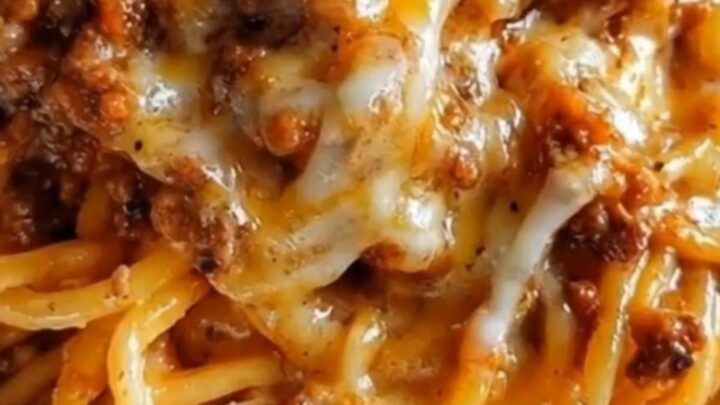
The sauce should be thick, creamy, and evenly distributed over the pasta. The cheese should be fully melted, resulting in a glossy appearance that clings to the noodles without any signs of separation or clumping.
Common mistakes
A common mistake is overcooking the pasta; aim for al dente so it does not become mushy when tossed with the hot sauce. Another error is adding the cheese while the heat is too high, which causes the fats to separate and the sauce to become oily.
Always lower the heat or remove the skillet from the burner entirely before incorporating the cheese. Finally, do not forget to save some pasta water, as this is the secret to achieving that perfect, restaurant-quality silky texture in your cheese sauce.
How to tell it’s done
The dish is perfectly done when the ground beef is fully browned and reaches an internal temperature of 160°F (71°C) and the pasta is cooked to al dente, meaning it retains a slight chew.
The final indicator is the appearance of the sauce; it should be smooth, glossy, and thick enough to coat each strand of spaghetti without pooling at the bottom of the skillet. If the cheese is fully melted and the pasta is steaming hot, the dish is ready to be served immediately.
- Ground meat: 160°F (71°C) in the thickest part
Up next · Part 3 of 3
2 variations · storage & make-ahead · 3 answers · printable card
Tips, FAQ & printable recipe (Part 3)← Back to the ingredients (Part 1)