Appetizers · Part 3 of 3: Tips & recipe card
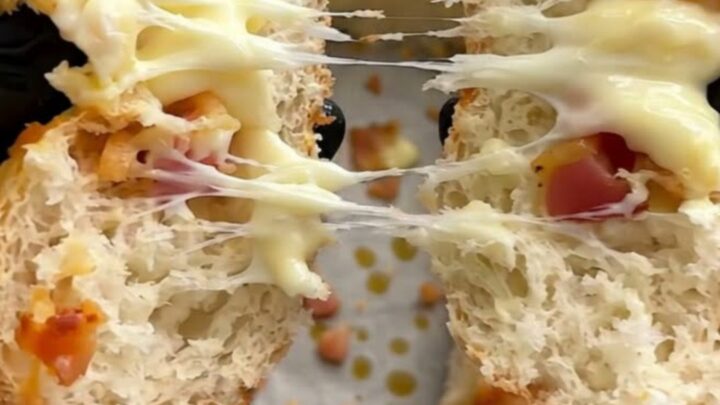
Cheesy Beef Bacon Bread Rolls Tips, FAQ & printable recipe
- Prep
- Cook
- Total
- Serves
- 8
Tips for success
For an extra layer of flavor, brush the tops of the rolls with a little melted butter mixed with garlic powder or dried herbs before placing them in the oven. This adds a beautiful sheen and a savory aroma that enhances the overall experience of the dish when served fresh from the oven.
If you prefer a softer crust, cover the baking tin with aluminum foil for the first 10 minutes of baking, then remove it for the remaining time. This technique helps the rolls warm through beautifully while keeping the exterior tender and preventing it from becoming too crisp or hard.
Variations
- Herbed Cheese Rolls: Incorporate finely chopped fresh herbs like rosemary or thyme into the cheese mixture before stuffing the rolls. This adds a fragrant, earthy note that perfectly complements the savory beef bacon and melted cheese, making the rolls feel more sophisticated and flavorful.
- Spicy Bacon Rolls: Add a pinch of red pepper flakes or a small amount of diced jalapeño to the filling. The subtle heat provides a fantastic contrast to the richness of the melted cheese, creating a dynamic flavor profile that is ideal for those who enjoy a bit of spice in their appetizers.
Storage and make-ahead
- Fridge
- Keep in an airtight container for up to 3 days.
- Freezer
- Freeze unbaked or baked rolls for up to 1 month.
- Reheat
- Warm in a 350°F oven for 5-8 minutes until heated through.
Store any leftover rolls in an airtight container. Allow them to cool at room temperature for no more than 2 hours before transferring them to the refrigerator.
They will maintain their quality for up to three days. Always ensure the container is sealed properly to prevent the bread from drying out or absorbing other odors from the fridge.
These rolls can be prepared up to the point of baking and stored in the refrigerator for a few hours. If preparing further in advance, you can assemble them and freeze them on a tray before transferring them to a freezer-safe bag.
When ready to eat, bake them directly from frozen, adding an extra 5 to 10 minutes to the total baking time to ensure they are cooked through properly.
Serving ideas
Serve these rolls warm, ideally within minutes of taking them out of the oven, to ensure the cheese pull is at its peak.
They make an excellent centerpiece for a casual appetizer platter and pair wonderfully with a side of warm marinara sauce or a simple dipping oil for added flavor depth.
Consider serving these alongside a fresh garden salad or a light soup to balance the richness of the cheese and bacon.
The warm, comforting nature of the rolls makes them a versatile addition to any meal, whether you are hosting a small gathering or simply looking for an elevated snack option.
Frequently asked questions
Can these be made ahead of time?
What is the best way to ensure the cheese does not leak?
Can regular bacon be used instead of beef bacon?
Cheesy Beef Bacon Bread Rolls

Ingredients
- 8 bread rolls, store-bought or made ahead
- 2 cups shredded mozzarella cheese
- 6 slices beef bacon, cooked and crumbled
Instructions
- Preheat the oven to 375°F (190°C). Carefully slice into the top of each bread roll to create a pocket for the filling, being careful not to cut all the way through the bottom.
- Stuff each bread roll generously with the shredded mozzarella cheese and crumbled beef bacon. Ensure the filling is packed well into the center of the roll.
- Arrange the filled rolls in a baking tin. Bake for 20 minutes until the bread is golden brown and the interior reaches an internal temperature of 160°F (71°C) to confirm the beef bacon is fully heated through and the cheese is melted.
Estimated nutrition per serving
- Calories
- 290
- Protein
- 13 g
- Carbohydrates
- 30 g
- Fat
- 12 g
- Fiber
- 1 g
- Sugar
- 2 g
- Sodium
- 580 mg
Next recipe

Cheesy Shrimp Bread Bowl for Easy Entertaining
See the recipe → →This recipe is based on a short cooking video and is published under the pen name Clara Weller. It was checked before publication, but errors can slip through. Nutrition, when shown, is an estimate. Read more in our editorial policy and on our food safety page.
More recipes to try
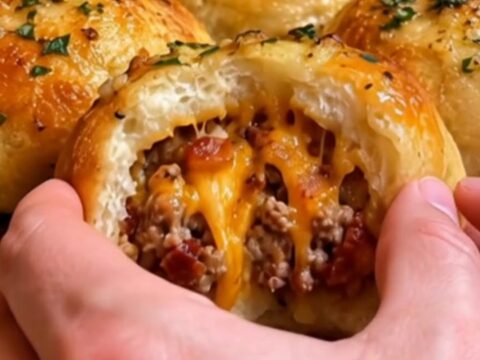
Garlic Parmesan Bacon Cheeseburger Bombs
Total time: 35 min
Crispy Golden Ham and Cheese Puff Pastry Pockets
Total time: 35 min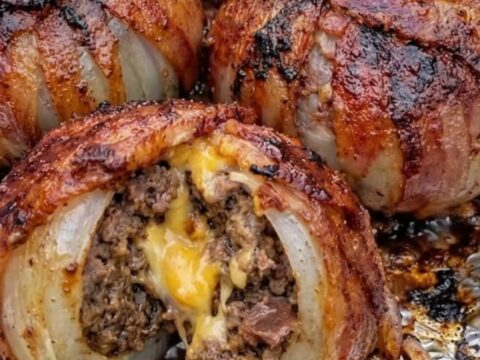
Bacon-Wrapped BBQ Onion Bombs for a Savory Treat
Total time: 1 h 5 min
Garlic Parmesan Cheeseburger Bombs for an Easy Appetizer
Total time: 40 min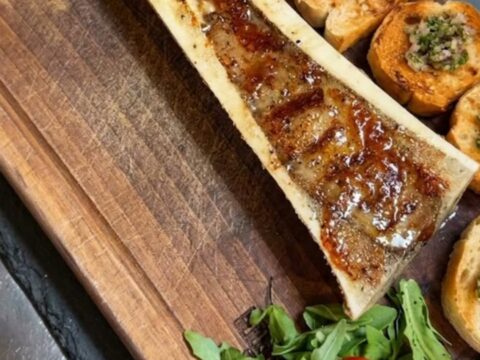
Roasted Beef Bone Marrow with Toasted Garlic Crostini
Total time: 35 min