Appetizers
Caribbean-Style Coconut Curry Salmon Recipe | Flavorful & Easy
Please note: this recipe comes from an earlier version of this site, before our current process, and has not been through our automatic checks. Its first-person passages, which do not describe real events, are hidden whenever they can be detected automatically; some old wording may remain. How we make recipes today
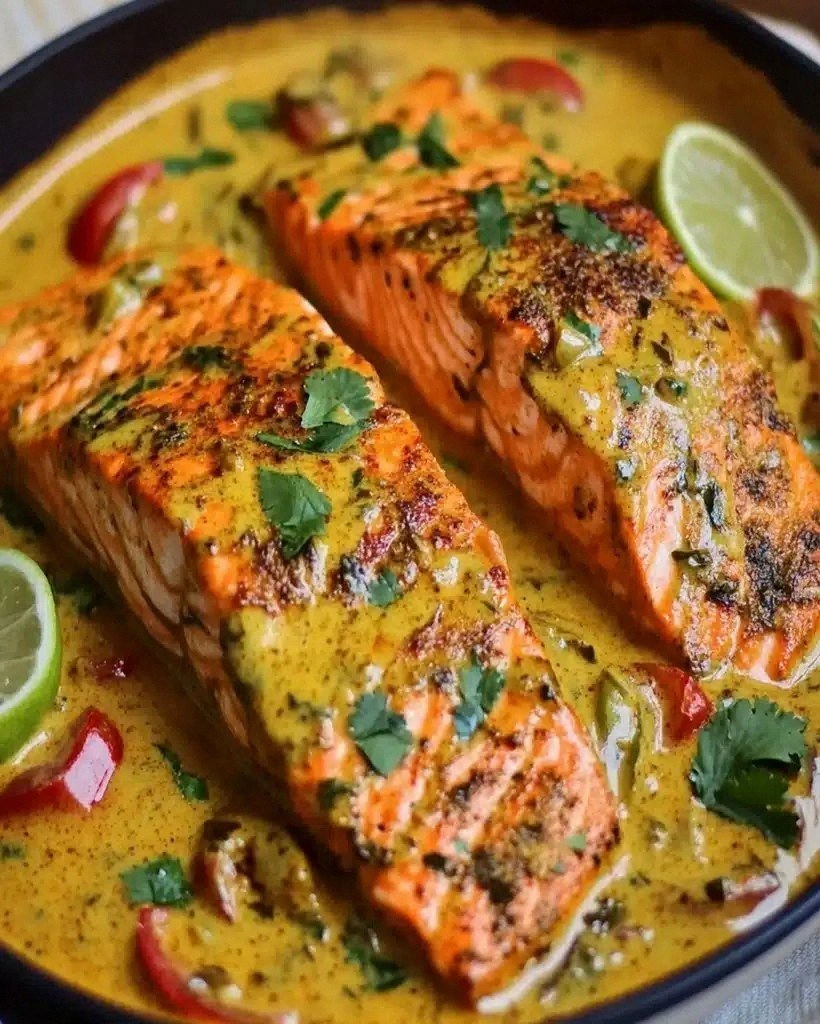
What Makes This Version Stand Out
- Texture Heaven: Silky sauce, tender salmon that melts on your tongue, and a final sprinkle of crispy shallots for crunch — it’s like edible surround-sound for your mouth.
- One-Pan Simplicity: Everything happens in a single skillet. Less dishes means more time to lick the spoon and dramatically stare out the window like you’re in a cooking show.
- Restaurant Quality, Budget Friendly: This tastes like a $28 entree from that trendy fusion place downtown, but costs less than a fancy coffee per serving. Your wallet stays fat while your taste buds get skinny — wait, reverse that.
- Flexible Heat: Love fire? Keep the Scotch bonnet whole. Prefer gentle warmth? Slice it open and remove the seeds. Either way, the coconut milk smooths everything into a warm hug.
- 15-Minute Active Time: While the onions sweat, you can dance around the kitchen to Marley. While the salmon poaches, you can set the table or just admire your handiwork.
Alright, let’s break down exactly what goes into this masterpiece…
Inside the Ingredient List
The Flavor Base
Onions might seem boring, but here they’re the backbone that carries every other flavor. Dice them small so they melt into the sauce, releasing natural sugars that caramelize and deepen the curry. Garlic and ginger join the party next — fresh only, please. The jarred stuff tastes like regret and metallic disappointment. Scotch bonnet brings legitimate Caribbean heat; if you can’t find it, habanero works, but you’ll miss that fruity undertone that makes island food so addictive. Curry powder is obvious, yet go for a Jamaican blend if you can — it usually includes allspice and turmeric, giving earthier, warmer notes than the generic yellow stuff.
The Unexpected Star
Here comes the curveball: a single bay leaf and a pinch of freshly grated nutmeg. These two wallflowers quietly round out the edges, adding a mysterious warmth that guests can’t quite identify but always ask about. Fresh thyme is another secret weapon — dried thyme tastes like dusty library books in comparison. And don’t skip the brown sugar; it balances the heat and citrus, turning the sauce into something glossy and restaurant-worthy. A splash of fresh lime at the end wakes everything up, like flipping on the lights after a cozy dinner.
The Final Flourish
Crispy shallots are optional but life-changing. Thinly sliced and fried until golden, they add shattery texture that contrasts the velvety sauce. Fresh cilantro scattered on top brings herbal brightness, but if you’re one of those people who thinks cilantro tastes like soap, substitute flat-leaf parsley. Serve the curry over rice cooked with a pinch of turmeric and a bay leaf — it turns the grains a gorgeous golden color and soaks up sauce like tiny edible sponges. A final drizzle of coconut milk on top creates Instagram-worthy marbling that’ll have your followers sliding into your DMs for the recipe.
Everything’s prepped? Good. Let’s get into the real action…
The Method — Step by Step
- Heat a heavy skillet over medium for 90 seconds. You’re looking for the pan to feel hot when you hover your hand two inches above it — not scorching, just friendly. Add the curry powder and let it toast, stirring constantly with a wooden spoon until it smells like you’re walking past a spice market at dawn. This is the moment of truth; under-toasted spices taste dusty, but go too long and they turn bitter. You’ll know it’s ready when the color deepens one shade and the aroma makes you close your eyes involuntarily.
- Drizzle in the oil — coconut oil if you’re keeping it island-authentic, or a neutral oil if that’s what you’ve got. It should shimmer immediately but not smoke. Toss in the diced onions with a pinch of salt; the salt draws out moisture and helps them soften evenly. Stir every 30 seconds for the first three minutes, then let them sit undisturbed for two minutes so the edges caramelize and turn golden. That sizzle when it hits the pan? Absolute perfection.
- While the onions work, mince the garlic and ginger together into a paste. Microplane works wonders here, turning them into juicy pulp that melts into the sauce. Add them to the pan and stir for 45 seconds — no longer or the garlic will brown and turn acrid. Your kitchen should smell like you hired a professional chef to move in. If you’ve got music playing, this is when you’ll unconsciously start swaying to the beat.
- Now the fun part: crumble in the bay leaf, add the thyme sprigs, and nestle the whole Scotch bonnet among the onions like you’re tucking it into bed. Pour in one cup of coconut milk and scrape the bottom with your spoon to lift every bit of toasted spice — those browned bits are liquid gold. Reduce the heat to low and let it simmer gently for five minutes so the flavors marry and deepen. The sauce should thicken slightly, coating the back of your spoon like velvet.
- Pat the salmon fillets dry with paper towels; moisture is the enemy of good browning. Season both sides with salt, pepper, and a whisper of brown sugar — it helps the surface caramelize later. Push the onion mixture to the edges of the pan to create a little island of empty space in the center. Lay the salmon skin-side down and let it sear undisturbed for three minutes. Don’t poke, don’t peek, don’t even think about moving it; the skin needs to crisp and the flesh needs to build flavor.
- After three minutes, pour the remaining coconut milk around — not over — the salmon. The liquid should come halfway up the sides of the fillets. Scatter the bell pepper strips around, tucking them into the sauce so they soften but still retain color. Cover the skillet with a lid slightly ajar and let it poach for eight to ten minutes, depending on thickness. The sauce will turn creamy and coral-colored, and the salmon will go from translucent to opaque like a sunset fading into night.
- While it poaches, prep your garnishes. Slice the shallots paper-thin using a mandoline or a sharp knife; consistency matters so they fry evenly. Heat a tiny pan with two tablespoons of oil and fry the shallots in a single layer, stirring, until they turn golden. Watch out — they go from perfect to burnt faster than gossip spreads at family dinner. Drain on paper towel and sprinkle with a pinch of salt while they’re still glistening.
- Check the salmon by pressing gently on the thickest part; it should feel just firm and start to flake. If it still feels jelly-like, give it another minute. Once done, remove the pan from heat and let it rest for three minutes — this lets the proteins relax so the fish stays moist instead of seizing up. Finally, fish out the Scotch bonnet (unless you like living dangerously), squeeze fresh lime over everything, and shower with cilantro. Serve over turmeric rice and prepare for applause.
Insider Tricks for Flawless Results
The Temperature Rule Nobody Follows
Most home cooks blast the stove on high and wonder why their salmon tastes like cat food. Medium heat is your sweet spot — hot enough to caramelize, cool enough to keep the coconut milk calm. If the oil smokes when you add it, the pan’s too hot; remove from heat for 30 seconds and start again. Your future self will thank you when the sauce stays smooth instead of looking like curdled sadness.
The 5-Minute Rest That Changes Everything
A friend tried skipping this step once — let’s just say it ended with dry fish and a very sad face. After poaching, let the salmon sit off-heat with the lid askew. The residual heat finishes cooking without overdoing it, and the sauce thickens slightly as it cools. Use those five minutes to set the table, pour a drink, or just inhale the incredible aroma like a perfume you wish you could bottle.
Creative Twists and Variations
Shrimp & Mango Tango
Swap salmon for jumbo shrimp and add half a diced ripe mango during the last two minutes. The fruit warms through and releases sweet juices that mingle with the curry. It’s like a tropical vacation in a bowl, and the colors are so bright you’ll need sunglasses indoors.
Vegan Island Vibes
Replace salmon with thick slabs of cauliflower steak and use vegetable broth instead of water if needed. Add a can of chickpeas for protein and texture. The cauliflower soaks up the sauce like a sponge, and you’ll swear it’s just as satisfying without any seafood.
Smoky Jerk Edition
Add a teaspoon of smoked paprika and a half-teaspoon of ground chipotle for a campfire twist. The smoke mingles with the coconut and creates depth that tastes like beach barbecue. Serve with grilled pineapple on the side for the full Jamaican jerk experience.
Creamy Cashew Dream
Blend two tablespoons of soaked cashews into the coconut milk before adding to the pan. The sauce becomes impossibly silky and rich, perfect for when you want to impress dinner guests or just treat yourself like royalty on a random Tuesday.
Low-Carb Cauli Rice Bowl
Serve the curry over riced cauliflower sautéed in a little coconut oil with turmeric and mustard seeds. It soaks up the sauce just like real rice but keeps things keto-friendly. Even carb-lovers won’t miss the grains once they taste how well the flavors meld.
Storing and Bringing It Back to Life
Fridge Storage
Let the curry cool completely, then spoon into airtight glass containers. The salmon will keep for up to three days, though the sauce actually improves as the spices mingle. Store rice separately so it doesn’t absorb all the liquid and turn mushy. Pro tip: place a layer of plastic wrap directly on the surface of the curry to prevent a skin from forming — nobody wants rubbery coconut film in their dinner.
Best Reheating Method
Add a splash of water or coconut milk to loosen the sauce, then warm slowly over medium-low heat, covered, until just heated through. Microwaves work in a pinch, but use 50 percent power and stir every 30 seconds to prevent hot spots. Add a tiny splash of water before reheating — it steams back to perfection and tastes almost as good as day one. Garnish fresh with herbs and maybe a new squeeze of lime to wake everything up.
Caribbean-Style Coconut Curry Salmon Recipe | Flavorful & Easy
Homemade Recipe
Ingredients
- 1 tbsp Jamaican curry powder
- 2 tbsp coconut oil (or neutral oil)
- 1 large onion, finely diced
- 3 cloves garlic, minced to paste
- 1 inch fresh ginger, minced to paste
- 1 bay leaf
- 2 sprigs fresh thyme
- 1 Scotch bonnet pepper, whole
- 14 oz full-fat coconut milk (1 can)
- 4 salmon fillets, skin-on (6 oz each)
- 1 red bell pepper, thinly sliced
- 1 yellow bell pepper, thinly sliced
- 0.5 tsp brown sugar
- Salt & black pepper to taste
- 1 lime, juiced
- 0.25 cup fresh cilantro, chopped
- Optional: crispy fried shallots for topping
Directions
- Toast curry powder in a dry skillet over medium heat for 60 seconds until fragrant.
- Add coconut oil and diced onion with a pinch of salt; cook 5 minutes until softened and golden.
- Stir in garlic-ginger paste, bay leaf, thyme, and whole Scotch bonnet; cook 45 seconds.
- Pour in half the coconut milk, scrape up browned bits, simmer 5 minutes.
- Pat salmon dry, season with salt, pepper, and brown sugar. Sear skin-side down in the center of the pan for 3 minutes.
- Add remaining coconut milk and bell peppers around salmon; cover and poach 8-10 minutes.
- Rest off-heat 3 minutes, then finish with lime juice and cilantro. Serve hot over rice.
Common Questions
Can I use light coconut milk?
How spicy is this with the whole pepper?
Can I make this ahead for a party?
What’s the best rice to serve with this?
Can I substitute the salmon?
My sauce split — how do I fix it?
Next recipe

Sweet Cocktail Meatballs: 3-Ingredient Slow Cooker Appetizer
See the recipe → →More recipes to try

Crispy Blooming Eggplant Fan Fries with Garlic Yogurt Dip
Total time: 45 min
Crispy Blooming Eggplant Fan Fries with Smoky Paprika
Total time: 32 min
Crispy Blooming Eggplant Fan Fries with Garlic Herb Yogurt Sauce
Total time: 45 min
Crispy Smiley Face Potato Fries
Total time: 35 min
Crispy Sesame Potato Pockets with Flaky Puff Pastry
Total time: 50 min