Appetizers · Part 2 of 3: Instructions
Caramelized Fig and Goat Cheese Puff Pastry Tart Step-by-step instructions
- Prep
- Cook
- Total
- Serves
- 6
Before you start
Before starting, ensure the puff pastry is thawed but still cold. Take the chevra out of the fridge to soften for about 10 minutes. Grate the goat gouda and set aside.
Halve the figs just before assembling to prevent them from browning. Preheat the oven to 400°F (200°C) and line a baking sheet with parchment paper. Have all ingredients within reach to streamline assembly.
Ingredients at a glance (8)
- 1 sheet puff pastry, thawed if frozen
- 4 oz creamy chevra goat cheese, at room temperature
- 1 cup aged white goat gouda, grated
- 8 fresh purple figs, halved lengthwise
- 1 tbsp fresh thyme leaves
- 1 large egg, beaten
- 2 tbsp wildflower honey
- 1/4 cup shelled pistachios, crushed
Instructions
Prepare and Assemble
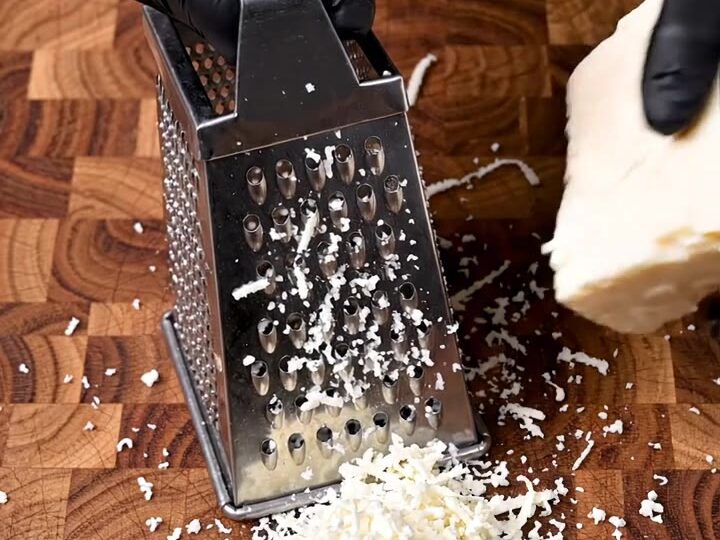
- Prepare the Pastry and CheesesHeat the oven to 400°F (200°C). Line a baking sheet with parchment paper. Unfold the puff pastry sheet on the prepared baking sheet. With a sharp knife, score a 1-inch border around the edge, being careful not to cut all the way through. Grate the aged goat gouda on a box grater into a bowl. In a small bowl, soften the chevra with a fork until spreadable.Look for The pastry is scored but intact; the gouda is finely grated.Tip Keep the pastry cold until ready to bake for maximum flakiness.
- Spread the Cheese MixtureSpread the softened chevra evenly over the center of the pastry, staying inside the scored border. Sprinkle the grated goat gouda over the chevra, covering the surface completely.Look for The cheese layer is smooth and even.Tip If the chevra is too firm, let it sit at room temperature for 10 minutes.
The puff pastry is scored, the cheeses are ready, and the figs are halved. The chevra is spread smoothly, and the gouda is sprinkled evenly. The tart looks neat and inviting, with the cheese layer fully covering the center.
Arrange and Season
- Arrange the FigsHalve the figs lengthwise. Arrange the fig halves in neat rows over the cheese, cut side up, pressing gently so they nestle into the cheese.Look for Figs are evenly spaced and cover the cheese.Tip Use ripe but firm figs so they hold their shape.
- Add Thyme and Egg WashScatter the fresh thyme leaves over the figs. Brush the exposed pastry border with the beaten egg, coating it thoroughly for a golden sheen.Look for The border is glossy with egg wash.Tip Avoid brushing egg on the cut edges to prevent sticking.
The figs are arranged in neat rows, cut side up, and the thyme is scattered. The pastry border is brushed with egg wash, giving it a glossy appearance. The tart is ready for the oven.
Bake and Finish
- Bake the TartPlace the baking sheet in the oven and bake until the pastry is puffed and deep golden brown and the figs are caramelized, 20 to 25 minutes. The cheese should be melted and bubbly. If the edges brown too quickly, tent loosely with foil.Look for The pastry is golden and crisp; the figs are soft and jammy.Safe temperature 160°F (71°C) internal temperature (egg dishes)Tip Rotate the pan halfway through for even browning.
- Finish and ServeRemove the tart from the oven and immediately drizzle with wildflower honey. Sprinkle the crushed pistachios over the top. Let cool for 5 minutes, then slice and serve warm.Look for Honey glistens, pistachios add crunch.Tip Serve warm for the best texture contrast.
The pastry is puffed and golden, the figs are caramelized, and the cheese is melted. The honey glistens over the warm figs, and the pistachios add a crunchy contrast. The tart smells sweet and savory.
Common mistakes
One common mistake is overloading the pastry with too much cheese, which can make the center soggy. Keep the cheese layer even and within the scored border.
Another pitfall is underbaking the pastry; it should be deeply golden, not pale. If the edges brown too quickly, tent with foil.
Finally, don't skip the egg wash—it gives the border a beautiful sheen and helps it crisp.
How to tell it’s done
The tart is done when the pastry is puffed and deep golden brown, and the figs are soft and caramelized. The cheese should be melted and bubbly.
To ensure the egg is fully cooked, the tart should reach an internal temperature of at least 160°F (71°C) in the center. Let the tart rest for 5 minutes before slicing to allow the filling to set slightly.
- Egg dishes: 160°F (71°C) in the thickest part
- Steaks, chops and roasts: 145°F (63°C) in the thickest part, then a 3-minute rest
Up next · Part 3 of 3
4 variations · storage & make-ahead · 5 answers · printable card
Tips, FAQ & printable recipe (Part 3)← Back to the ingredients (Part 1)