Dinner · Part 2 of 3: Instructions
Cajun Honey Butter Blackened Salmon and Shrimp Skillet Step-by-step instructions
- Prep
- Cook
- Total
- Serves
- 4
Before you start
Before starting, pat the salmon fillets and shrimp dry with paper towels to ensure the rub adheres and promotes browning. Measure out the Cajun rub, and set it in a small bowl.
For the honey garlic butter, mince the garlic, measure the honey, and squeeze the lemon juice. Have everything within reach of the stove, as the cooking moves quickly once the skillet is hot.
Ingredients at a glance (7)
- 4 salmon fillets (6 oz each)
- 1/2 lb peeled jumbo shrimp
- 3 tbsp smoked paprika Cajun rub
- 5 tbsp butter
- 3 tbsp honey
- 4 cloves garlic, minced
- 1 tbsp fresh lemon juice
Instructions
Prep and Season
- Coat the SeafoodPat the salmon fillets and shrimp dry with paper towels. Sprinkle the Cajun rub evenly over both sides of the salmon and over the shrimp, using your hands to press the rub gently into the flesh so it adheres.Look for The salmon and shrimp are evenly coated with a reddish-brown spice crust.Tip Work in batches if needed to ensure even coverage.
- Prep the Honey Garlic ButterIn a small bowl, combine the butter, honey, minced garlic, and lemon juice. Stir until well mixed. Set aside near the stove so it is ready to add to the skillet later.Look for The butter mixture is smooth and fragrant with garlic and honey.Tip Cut the butter into small pieces so it melts quickly and evenly in the skillet.
By the end of this phase, the salmon and shrimp are evenly coated with the spicy rub, and the honey garlic butter is mixed and ready. The kitchen smells of smoked paprika and garlic.
The salmon should look like it has a thick, reddish-brown spice crust, and the shrimp are coated without clumping. Everything is measured and within arm's reach of the stove.
Sear and Glaze
- Heat the SkilletPlace a large cast-iron skillet over medium-high heat and let it get very hot, about 2 minutes. The pan should be almost smoking before adding the fish.Look for A drop of water sizzles and evaporates immediately when flicked onto the pan.Tip A properly preheated skillet ensures a deep, dark crust on the salmon.
- Sear the SalmonCarefully lay the salmon fillets in the hot skillet, skin-side down if they have skin. Cook undisturbed for 3 minutes, until the underside is deeply browned and the fish releases easily from the pan.Look for The salmon has a dark, crisp crust and releases from the pan without sticking.Tip Resist moving the fillets; letting them sit builds the crust.
- Flip and Add ShrimpFlip the salmon fillets carefully. Add the shrimp to the skillet around the salmon, spreading them in a single layer. Cook for 2 minutes, until the shrimp turn pink and opaque.Look for The shrimp are pink and curled, and the salmon is browned on the second side.Safe temperature 145°F (63°C) internal temperature (shellfish)Tip If the shrimp are large, give them an extra minute.
- Melt the Honey ButterReduce the heat to medium-low. Add the honey garlic butter mixture to the skillet, letting it melt and foam around the seafood. Stir gently to combine the butter with the pan juices.Look for The butter melts into a foamy, golden sauce that coats the seafood.Tip Scrape up any browned bits from the bottom of the pan as the butter melts.
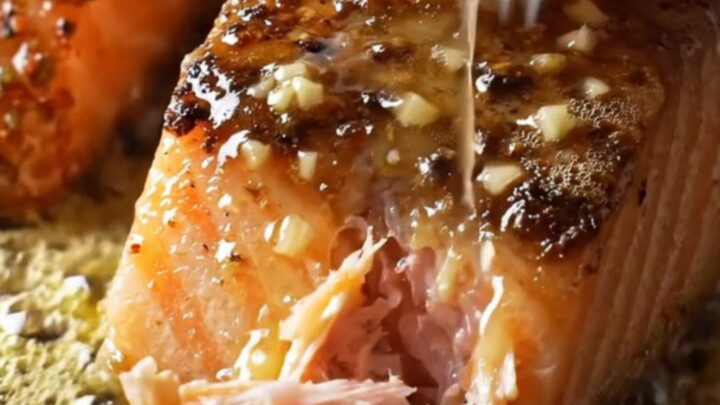
- Baste the SeafoodUse a spoon to baste the salmon and shrimp with the foaming butter for 1 to 2 minutes, until the sauce thickens slightly and the salmon is cooked through.Look for The sauce is glossy and clings to the seafood; the salmon flakes easily.Safe temperature 145°F (63°C) internal temperature (fish)Tip Check the salmon's internal temperature; it should read 145°F (63°C).
The skillet is hot, and the salmon has a dark, crisp crust. The shrimp are pink and curled, and the butter has melted into a foamy, golden sauce that bubbles around the seafood. The aroma is sweet and spicy, with garlic and honey coming through. The salmon should release from the pan easily, and the sauce should coat the back of a spoon.
Finish and Serve
- Serve ImmediatelyTransfer the salmon and shrimp to plates, spooning the extra honey butter sauce over the top. Serve hot, with any remaining sauce from the skillet poured over.Look for The seafood glistens with the honey butter glaze.Tip Pair with crusty bread or rice to soak up the sauce.
The salmon flakes easily, the shrimp are plump and juicy, and the honey butter sauce is glossy and thick enough to cling to the seafood. The dish looks rich and inviting, with a mahogany crust on the fish and a golden glaze over everything. Serve immediately, spooning any extra sauce from the pan over the top.
Common mistakes
The most common mistake is overcrowding the skillet, which lowers the temperature and steams the seafood instead of searing it. Another issue is moving the salmon too early; let it cook undisturbed until it releases from the pan.
Using too low heat prevents the crust from forming, while too high heat can burn the butter. Finally, adding the butter too early can cause it to burn—wait until the seafood is nearly done.
How to tell it’s done
The salmon is done when it flakes easily with a fork and the internal temperature reaches 145°F (63°C) in the thickest part. The shrimp are cooked when they turn pink and opaque, and their internal temperature hits 145°F (63°C).
The honey butter sauce will have reduced slightly and cling to the seafood. If the sauce seems too thin, simmer for another minute to thicken.
- Fish: 145°F (63°C) in the thickest part
- Shellfish: 145°F (63°C) in the thickest part
Up next · Part 3 of 3
4 variations · storage & make-ahead · 5 answers · printable card
Tips, FAQ & printable recipe (Part 3)← Back to the ingredients (Part 1)