Desserts · Part 2 of 3: Instructions
Butterscotch Pecan Layer Cake with Brown Butter Sponge Step-by-step instructions
- Prep
- Cook
- Total
- Serves
- 12
Before you start
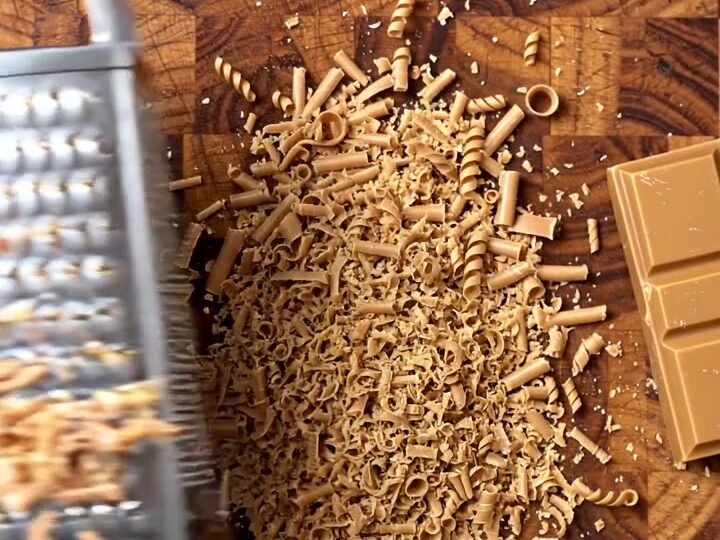
Before starting, measure all ingredients and bring eggs and buttermilk to room temperature. Brown butter can be made ahead and cooled to room temperature; it should be soft but not melted. Grate the blonde chocolate using a box grater and chop the toasted pecans into small pieces.
Make the butterscotch sauce if not using store-bought, and keep it warm. Prepare two 9-inch round cake pans by greasing and flouring them. Preheat the oven to 350°F (175°C). Have ready a chilled bowl and beaters for the frosting, plus an offset spatula and a cake stand or serving plate.
Ingredients at a glance (15)
- 2 1/4 cups cake flour
- 1 tbsp baking powder
- 1/2 tsp kosher salt
- 1 cup brown butter, cooled
- 1 1/2 cups granulated sugar
- 4 large eggs, at room temperature
- 2 tsp vanilla extract
- 1 cup buttermilk, at room temperature
- 1 1/2 cups toasted pecan halves, chopped small
- 4 oz caramelized blonde coverture chocolate, grated
- 1 cup mascarpone cheese, cold
- 1 1/2 cups heavy cream, cold
- 1/2 cup warm butterscotch sauce, plus more for serving
- 1 cup candied pecan praline
- flaky sea salt, for sprinkling, to taste
Instructions
Bake the Sponge
- Prepare the Sponge LayersHeat the oven to 350°F (175°C). Grease and flour two 9-inch round cake pans. In a medium bowl, whisk together the cake flour, baking powder, and salt. In a large bowl, beat the brown butter and sugar until light and fluffy. Add the eggs one at a time, beating well after each addition, then beat in the vanilla. With the mixer on low, add the flour mixture in three additions, alternating with the buttermilk, beginning and ending with the flour.Look for The batter is thick, glossy, and studded with pecans and chocolate flecks.Safe temperature 160°F (71°C) internal temperature (egg dishes)Tip Use room-temperature eggs and buttermilk for a smooth, even batter.
- Bake the Sponge LayersBake the cakes for 25 to 30 minutes, until a toothpick inserted into the center comes out clean and the top springs back when lightly pressed. The internal temperature of the cakes should reach 160°F (71°C). Cool the cakes in the pans for 10 minutes, then turn out onto a wire rack and cool completely.Look for The cakes are golden brown, pulling away from the pan sides, and smell nutty.Safe temperature 160°F (71°C) internal temperature (egg dishes)Tip Check the cakes at 25 minutes; ovens vary.
The batter is thick and glossy, with pecans and chocolate flecks distributed evenly. After baking, the cakes are golden brown, spring back when touched, and a toothpick comes out clean. The internal temperature should be 160°F (71°C). Cool completely before assembling.
Whip and Assemble
- Make the Butterscotch FrostingIn a chilled bowl, beat the mascarpone and heavy cream together with an electric mixer on medium speed until soft peaks form. Slowly drizzle in the warm butterscotch sauce while beating, then increase the speed to high and beat until stiff, spreadable peaks form. Do not overbeat, or the mixture may curdle.Look for The frosting is thick, airy, and holds a firm peak.Tip Chill the bowl and beaters for best volume.
- Assemble the Cake LayersPlace one cooled cake layer on a serving plate or cake stand. Spread a generous layer of the mascarpone butterscotch frosting over the top, about 1/2 inch thick. Place the second cake layer on top, cut side down if domed. Spread a thin crumb coat of frosting over the entire cake and refrigerate for 15 minutes to set.Look for The crumb coat is smooth and the cake is stable.Tip Use an offset spatula for even layers.
- Apply the Final FrostingSpread the remaining frosting over the top and sides of the cake, creating swirls and peaks. Reserve a small amount for piping rosettes on top if desired. Chill the frosted cake for 20 minutes to firm up.Look for The cake is fully covered with a fluffy, even layer of frosting.Tip Smooth the sides with a bench scraper for a clean look.
The frosting is thick, airy, and holds a firm peak. The crumb coat is smooth, and the final layer of frosting covers the cake evenly with soft swirls. The cake is chilled and stable.
Finish and Serve
- Add the Butterscotch SauceWarm the extra butterscotch sauce until it is pourable but not boiling. Slowly pour the warm sauce over the crown of the cake, letting it cascade down the sides in thick rivulets. Use an offset spatula to guide the sauce to the edges if needed.Look for The sauce forms a glossy, amber coating that drips elegantly.Tip Warm the sauce just until it flows; overheating will make it runny.
- Top with Praline and SaltPile the candied pecan praline generously on top of the cake, creating a mound. Drizzle a little extra warm butterscotch sauce over the pecans, then sprinkle with flaky sea salt. Let the cake stand for 10 minutes so the sauce sets slightly.Look for The top is a crunchy, glossy, salted praline crown.Tip Use a light hand with the salt; it should enhance, not overpower.
- Slice and ServeUse a sharp, thin-bladed knife to cut a thick triangular wedge. Lift the slice with a metal cake server and place on a dessert plate. Serve immediately, with extra warm butterscotch sauce on the side if desired.Look for The slice holds together, showing distinct layers of sponge and frosting.Tip For clean slices, dip the knife in hot water and wipe between cuts.
The warm butterscotch sauce drips elegantly down the sides. The pecan praline is piled high, with extra sauce drizzled over and a sprinkle of flaky salt. The cake is ready to slice and serve.
Common mistakes
Avoid overmixing the batter once the flour is added; overmixing develops gluten and makes the cake tough. When whipping the frosting, do not overbeat after adding the butterscotch sauce, as the mixture can become grainy and separate.
Make sure the cake layers are completely cool before frosting; warm layers will melt the frosting.
When pouring the warm butterscotch sauce over the cake, do not use boiling sauce, as it will run off too quickly. Use a light hand with the flaky sea salt; it is meant to enhance, not overpower.
How to tell it’s done
The cake is done when a toothpick inserted into the center comes out clean, the top springs back when lightly pressed, and the internal temperature reaches 160°F (71°C) in the center.
The edges will pull away from the pan slightly, and the top will be golden brown. The frosting is done when it holds stiff peaks and does not slide off a spatula. The assembled cake is ready to serve after the sauce has slightly set, about 10 minutes.
- Egg dishes: 160°F (71°C) in the thickest part
Up next · Part 3 of 3
4 variations · storage & make-ahead · 5 answers · printable card
Tips, FAQ & printable recipe (Part 3)← Back to the ingredients (Part 1)