Dinner · Part 1 of 3: Ingredients
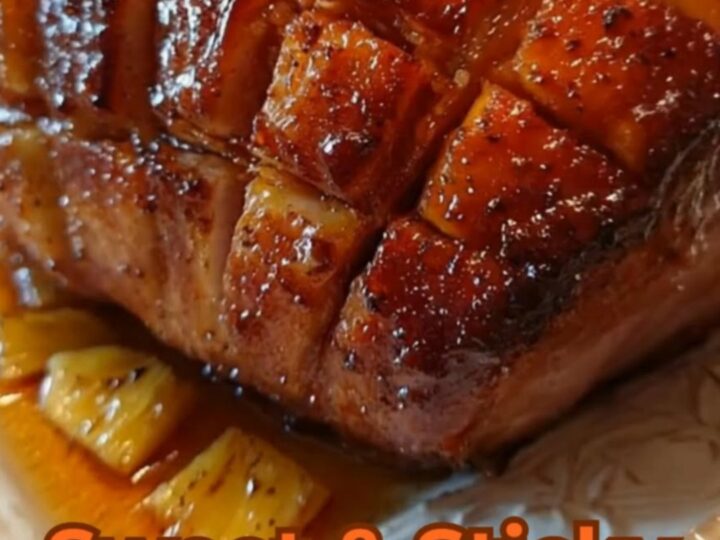
Brown Sugar Pineapple Holiday Ham
- Prep
- Cook
- Total
- Serves
- 12
Bring the ultimate centerpiece to your holiday table with this spectacular brown sugar and pineapple glazed ham. There is nothing quite like the aroma of sweet honey, rich brown sugar, and tangy pineapple caramelizing in the oven to make a house feel instantly festive and welcoming. This recipe delivers a perfectly juicy interior beneath a sticky, deeply caramelized crust that will have everyone asking for seconds.
Preparing a holiday centerpiece can often feel intimidating, but this straightforward method guarantees a show-stopping result with minimal effort. By utilizing a fully cooked bone-in ham, the primary goal is to gently warm the meat to preserve its natural juices while building an incredibly flavorful, glossy glaze on the outside.
The combination of sweet brown sugar, golden honey, and bright pineapple juice creates a beautiful balance of flavors that cuts through the rich, savory meat. This guide walks through every step to ensure your ham is beautifully scored, perfectly glazed, and carved like a professional.
Ingredients
- 1 (8 to 10-pound) fully cooked bone-in ham
Glaze
- 1 cup packed light brown sugar
- 1/2 cup honey
- 1 can (20-ounce) pineapple chunks, drained with juice reserved
- 1/2 cup reserved pineapple juice
Why this recipe works
The diamond-scoring technique is not just for visual appeal; it serves a crucial culinary purpose. By cutting shallow diamond patterns into the outer layer of fat, you create channels that allow the honey and brown sugar glaze to penetrate deep into the meat rather than just sliding off the surface.
As the ham roasts, the fat renders down, basting the meat naturally while combining with the glaze to form a sticky, caramelized crust. This ensures that every single slice carries that perfect balance of sweet glaze and savory ham.
Baking the ham covered at a lower temperature initially prevents the meat from drying out before the glaze has a chance to caramelize. Once the interior is heated through, increasing the oven temperature and uncovering the ham allows the sugars to bubble and caramelize rapidly without overcooking the center.
The addition of pineapple chunks to the roasting pan during the final stage of baking infuses the pan juices with bright acidity, creating a wonderful natural sauce that pairs beautifully with the rich pork.
Notes and substitutions
When selecting a ham, a bone-in fully cooked half-ham is highly recommended for the best flavor and moisture retention. Bone-in hams tend to stay much juicier during the reheating process compared to boneless varieties.
Look for a ham labeled 'fully cooked' to simplify the process, as this means you are simply warming it through and caramelizing the exterior. Light or dark brown sugar can be used interchangeably, though dark brown sugar will offer a slightly deeper molasses flavor.
For the pineapple, canned pineapple chunks in 100% juice work exceptionally well because the juice can be easily reserved for the glaze. Avoid using fresh pineapple if you plan to marinate or prep far in advance, as fresh pineapple contains enzymes that can soften the meat texture too much, though for a quick bake like this, either works. Ensure you have a sturdy roasting pan with a rack to keep the ham elevated out of the excess liquid during the initial steaming phase.
Equipment
- Roasting pan with rack
- Small saucepan
- Basting brush
- Chef's knife
- Cutting board
- Serving platter
Up next · Part 2 of 3
5 steps · 1 h 50 min of cooking · what to look for at each stage
Step-by-step instructions (Part 2)