Dinner · Part 2 of 3: Instructions
Brown Butter Seared Scallops with Squash and Sage Step-by-step instructions
- Prep
- Cook
- Total
- Serves
- 2
Before you start
Before you turn on the stove, set out every ingredient and tool so the process runs smoothly. Peel the butternut squash, cut off the ends, and split it into two sections, then cut each section into planks and dice them into small cubes about half an inch wide. Pick the sage leaves from their stems and keep them whole, then arrange them on a board beside the squash.
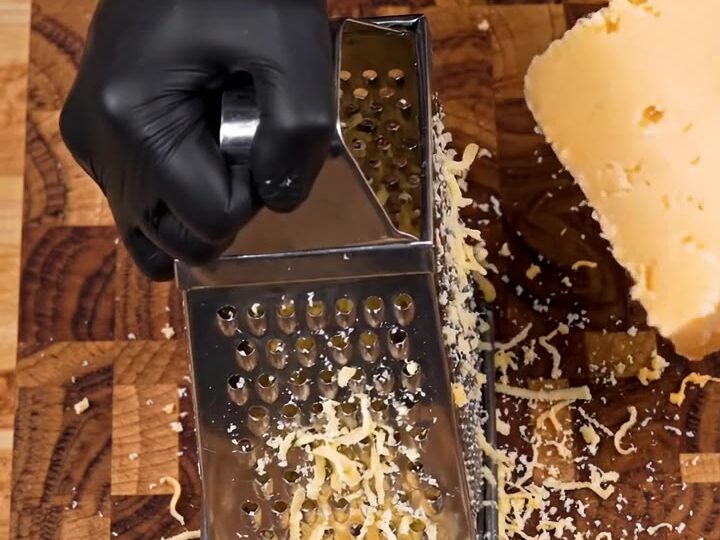
Finely grate the aged cheese over the small holes of a box grater and place the shreds in a small bowl. Measure the butter and set it near the skillet. Remove the scallops from the refrigerator and pat them very dry with paper towels, then season both sides lightly with kosher salt and black pepper.
Ingredients at a glance (7)
- 1 lb butternut squash, peeled, seeded and cut into small cubes
- 3/4 lb fresh sea scallops, patted dry
- 10 fresh sage leaves, whole
- 4 tbsp unsalted butter
- 1/3 cup hard aged cheese, finely grated
- kosher salt, to taste
- black pepper, to taste
Instructions
Build the brown butter base
- Prepare squash, sage and cheeseCut the butternut squash into small cubes about 1/2 inch wide. Pick the sage leaves from their stems and keep them whole. Finely grate the aged cheese over the small holes of a box grater so it forms a fluffy pile of shreds. Set everything near the stove.Look for Squash cubes are even, sage leaves are dry and whole, cheese is a light fluffy pile.Tip Dry the sage thoroughly so it crisps in the butter rather than steaming.
- Dry and season the scallopsPat the sea scallops very dry with paper towels, then season both sides with kosher salt and black pepper. Keep them in the refrigerator until the pan is ready, and leave them out no longer than 30 minutes before cooking.Look for Scallop surfaces look matte and feel dry to the touch.Tip Moisture prevents browning, so press gently but thoroughly with paper towels.
The butter has melted, foamed and then gone quiet as the water cooks off. Its color has moved from pale yellow to a golden amber with small brown flecks settling on the bottom of the skillet. It smells toasty and nutty, a clear sign the milk solids have browned. Before you continue, add the squash and sage, toss them in the fat, and check that the butter is not burning. If the flecks look black or the smell turns sharp, lower the heat or move the pan off the burner for a moment before continuing, so the sauce stays nutty rather than bitter.
Sear the scallops
- Brown the butterMelt the butter in the cast iron skillet over medium heat. Let it foam, then swirl the pan as it turns nutty and golden brown, watching for brown flecks at the bottom.Look for Butter foams, then smells nutty and shows golden-brown specks.Tip Remove the pan from the heat if the butter darkens too fast.
- Toss the squash with sageAdd the diced squash and the sage leaves to the brown butter. Toss to coat and cook, stirring now and then, until the squash is tender and lightly browned at the edges.Look for Squash is tender when pierced with a fork and the sage turns crisp and fragrant.Tip Shift the pieces so they brown on several sides rather than steaming.
- Sear the scallops undisturbedPush the squash to the side of the skillet, or move it to a plate. Place the seasoned scallops in the hot butter with space between them. Sear without moving them until a deep golden crust forms on the bottom.Look for Edges turn opaque and the bottoms show a deep golden crust.Tip Leave the scallops alone for a full two to three minutes so the crust forms.
- Flip, baste and add cheeseFlip each scallop with tongs. Spoon the bubbling brown butter and sage over the tops, then sprinkle the grated cheese over the scallops so it melts and crisps at the edges. Cook until the scallops are opaque and firm all the way through, reaching 145°F (63°C).Look for Scallops are opaque throughout, and the cheese melts and turns lacy and crisp at the edges.Safe temperature 145°F (63°C) internal temperature (shellfish)Tip Baste with a spoon to keep the scallops moist and the butter fragrant.
The squash is tender at the edges, and the sage leaves are crisp and fragrant. Push the squash aside or move it to a plate, then place the seasoned scallops into the hot butter with room between them. You should hear a steady sizzle when they touch the pan.
Leave them undisturbed for two to three minutes until the bottoms form a deep golden crust and the sides turn opaque. Lift one corner gently with tongs to check. If the scallop sticks, give it another minute; a crust releases on its own when it is ready. Overcrowding the skillet lowers the heat and steams the scallops, so work in batches if needed.
Baste, add cheese and finish
- Plate and spoon the butterSpoon the roasted squash onto warm plates. Arrange the scallops over the squash, then spoon the sage-infused brown butter over the top. Serve right away while the crust is still crisp.Look for Scallops are golden and caramelized, and the butter pools glossy over the squash.Tip Warm the plates briefly so the scallops stay hot at the table.
The scallops are flipped and the tops look opaque with a glossy sheen from the basting butter. The grated cheese has melted into lacy golden edges, and the sage has turned crisp in the bubbling butter. Use a thermometer to confirm that the thickest scallop reaches 145°F (63°C) at its center; the flesh should be opaque all the way through and firm but still tender when pressed. If the scallops are not yet opaque inside, cook them briefly longer while basting, then remove them from the heat. Spoon the squash onto plates, arrange the scallops over it, and pour the brown butter over the top immediately.
Common mistakes
The most common mistake is overcooking the scallops, which makes them rubbery and tough. Scallops cook quickly, so start checking early and remove them as soon as they are opaque and firm to the touch. Another frequent error is crowding the skillet. When the pan is full, the scallops release moisture and steam rather than sear, leaving them pale and soft.
Work in batches and keep enough space between pieces. Browning the butter too far turns it bitter, so watch it closely and pull the pan back from the heat if the flecks darken past golden brown. Finally, skipping the drying step prevents a good crust; wet scallops stick and steam, so pat them thoroughly with paper towels before seasoning and cooking.
How to tell it’s done
Scallops are done when they are opaque all the way through and firm to a gentle press, with a deep golden crust on the bottom. The center should look white rather than translucent. For food safety, the thickest part of each scallop must reach 145°F (63°C) as measured with an instant-read thermometer.
Scallops that are still glassy in the center need a little more time in the brown butter. The squash is done when a fork slides in easily and the cubes show light browning at the edges. Sage leaves are done when they look crisp and feel brittle, while the cheese is ready when it has melted and crisped into golden lace.
- Shellfish: 145°F (63°C) in the thickest part
Up next · Part 3 of 3
4 variations · storage & make-ahead · 5 answers · printable card
Tips, FAQ & printable recipe (Part 3)← Back to the ingredients (Part 1)